Breathwork for Better Sleep

Breathwork for Better Sleep

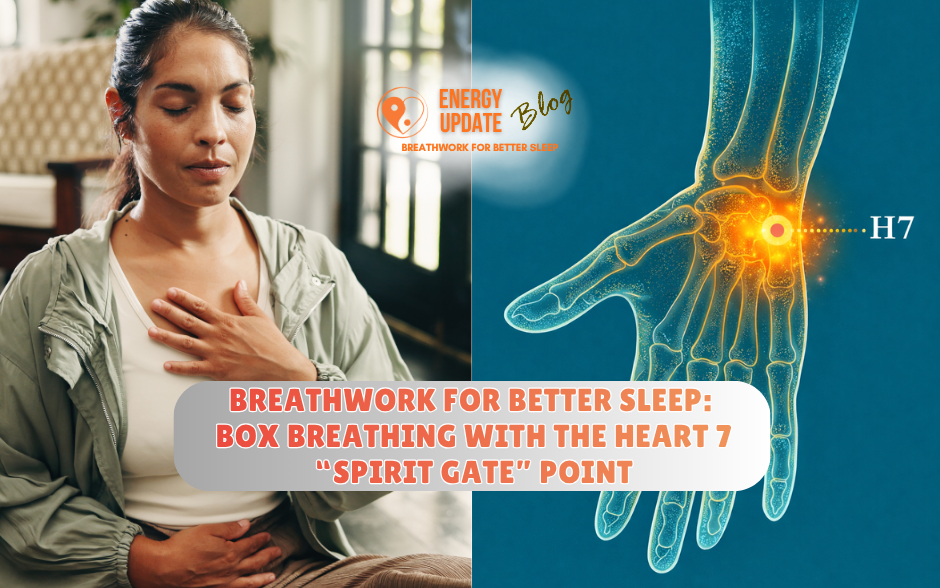
Box Breathing with the Heart 7 “Spirit Gate” Point

Many people living with Parkinson’s struggle with sleep, shallow breathing, and a racing mind at night. A simple practice combining box breathing with the Heart 7 “Spirit Gate” acupressure point can help calm the nervous system and support deeper sleep.

Sleep can become surprisingly difficult when the mind is busy and the body feels restless. Many people experience this from time to time, lying awake, tossing and turning, unable to settle. For people living with Parkinson’s, this challenge can be even greater. Breathing may become shallow, the speaking voice can weaken, and sleep can become disrupted.

One of the simplest tools we have to help settle the body and mind is something we do every moment of the day: breathing.

When we bring gentle awareness to the breath and combine it with simple acupressure, we can help calm the nervous system and prepare the body for sleep.

One particularly helpful technique is box breathing combined with the Heart 7 acupoint, also known as Spirit Gate

Why Breathwork Helps Sleep

When we feel stressed or anxious, the breath tends to become shallow and high in the chest. This signals the nervous system to stay alert.

When we slow the breath and allow it to move down into the belly, the body begins to shift into a calmer state.

Breathwork can help:

  • Calm the nervous system
  • Reduce anxiety and mental restlessness
  • Encourage deeper breathing
  • Improve oxygen flow through the body
  • Help the body settle into sleep

For people living with Parkinson’s, breathwork is especially important. Parkinson’s can affect breathing patterns, leading to shallower breaths and reduced breath support, which may also affect the strength of the voice. Gentle breathing exercises help reconnect with fuller breathing and can support relaxation and sleep.

The Heart 7 Acupoint — “Spirit Gate”

In Traditional Chinese Medicine, the Heart meridian is associated with emotional balance, calmness, and sleep. The spirit of the body, often called the Shen, is said to reside in the heart.

The Heart 7 point, known as Spirit Gate, is traditionally used to help calm the mind and settle the spirit.

When this energy is balanced, people often feel:

  • Calmer
  • Less anxious
  • More settled emotionally
  • Better able to sleep 

This point is commonly used for insomnia, restlessness, anxiety, and an overactive mind at night.

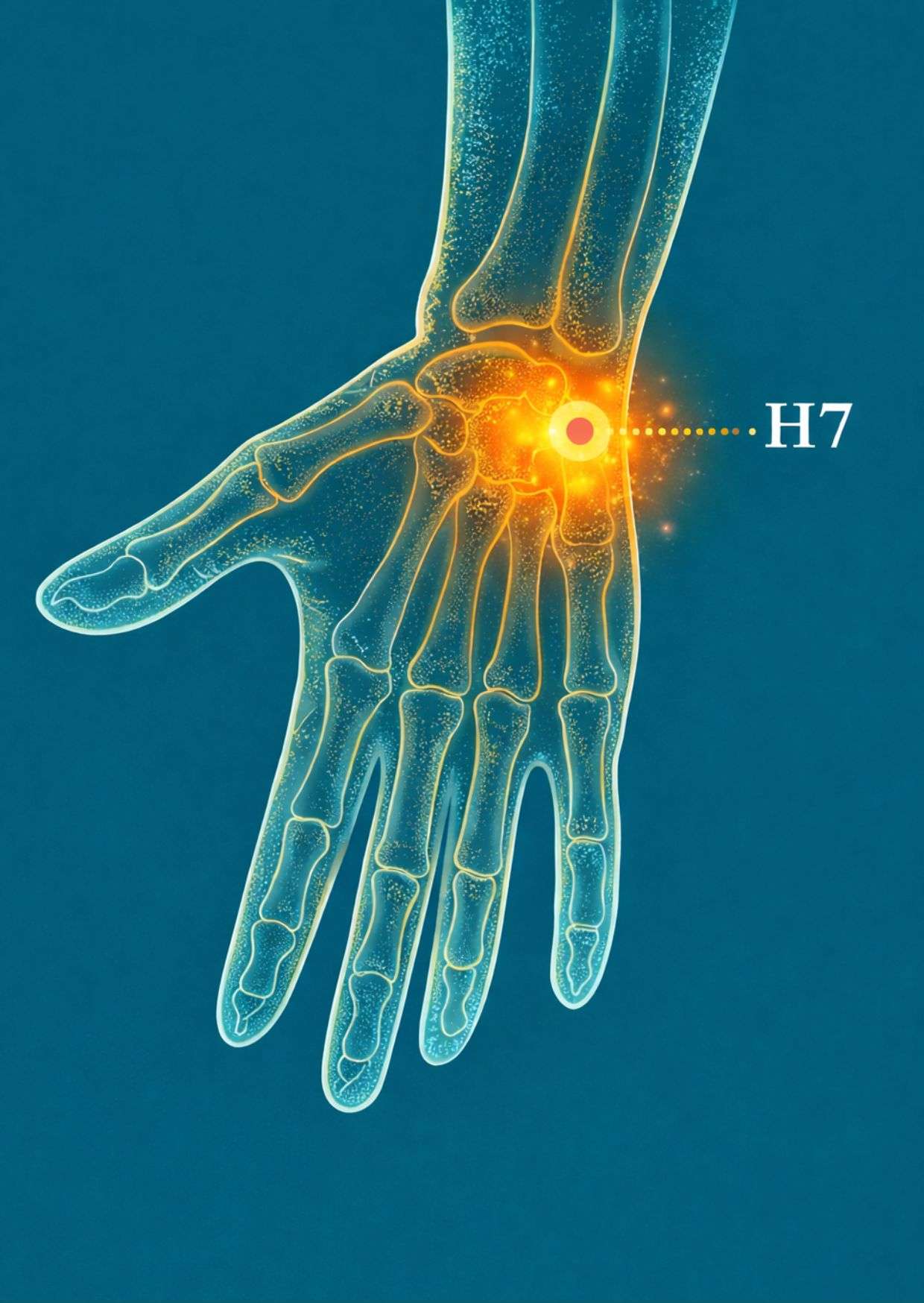
Where to find HEART 7

Heart 7 is located on the inside of the wrist.

To find it:

  1. Turn your palm facing upward. 
  2. Look at the crease of your wrist. 
  3. Find the line that runs down from your little finger. 
  4. At the wrist crease, you will feel a small hollow between two tendons.

That soft spot is Heart 7 — Spirit Gate.

You don’t need to press hard. Think of it as making gentle contact with the point, like a relaxed handshake with your own energy.
Box Breathing with the Heart 7 Point

This practice combines rhythmic breathing with gentle acupressure to calm the nervous system and settle the mind.

It can be used:
Before bed
When waking during the night
Anytime you feel restless or anxious


Step-by-Step Practice

  1. Sit or lie comfortably.
  2. Locate the Heart 7 point on one wrist.
  3. Rest your thumb or finger gently on the point.
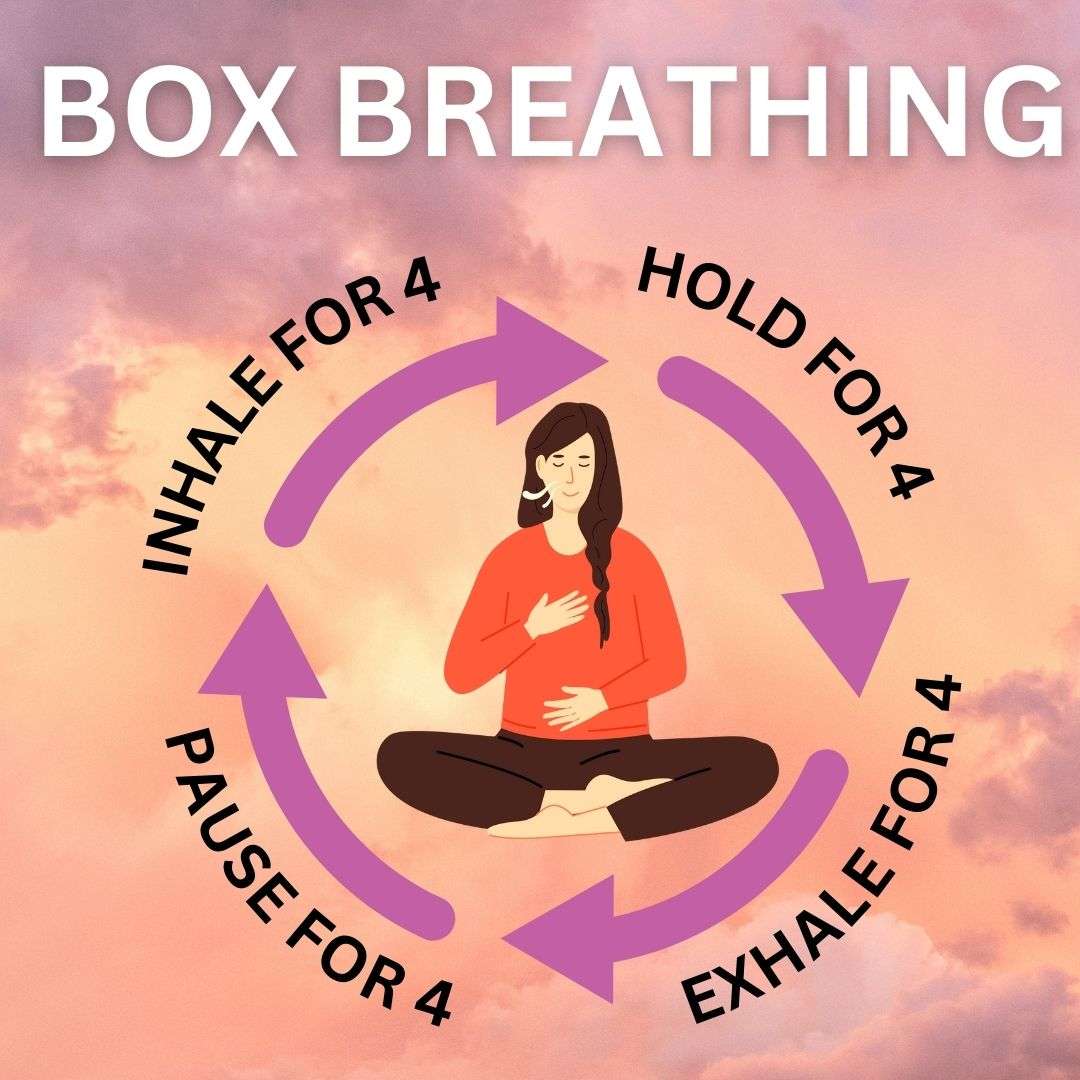
Now begin box breathing.

Step 1 – Inhale for 4 counts
Breathe slowly through the nose and let the belly expand.

Step 2 – Hold for 4 counts
Gently press the Heart 7 point.

Step 3 – Exhale for 4 counts
Release the pressure as you slowly breathe out.

Step 4 – Hold for 4 counts
Press the point again gently.

Then repeat the cycle.

Continue for 6–10 rounds of breathing.

After a few minutes, switch and repeat on the other wrist.

This steady rhythm of breathing helps quiet the mind while the acupressure point encourages the heart energy to settle.

When to Use This Practice

This technique is particularly useful if you:

  • struggle to fall asleep
  • wake in the middle of the night
  • feel anxious at bedtime
  • notice shallow breathing
  • experience sleep disruption with Parkinson’s

Many people find that focusing on the breath and the acupoint gives the mind something gentle to rest on, allowing the body to relax naturally.

Simple Sleep Hygiene

Breathwork works best when it becomes part of a gentle sleep routine.

You might try:
Dimming lights earlier
Slowing down activities before bed
Taking 3–5 minutes for breathing practice
Using Heart 7 with box breathing once in bed
Making space to review the day and find 3 gratitudes

Even a few minutes can help the body shift from a busy day into a calmer state that supports sleep.

A Small Practice That Makes a Difference

Breathing is something we do thousands of times every day, yet we rarely think about it.

By combining slow breathing with the Heart 7 Spirit Gate point, you create a simple practice that helps calm the nervous system, quiet the mind, and support restful sleep.

Sometimes the smallest practices, done consistently, can make the biggest difference.

Learn More

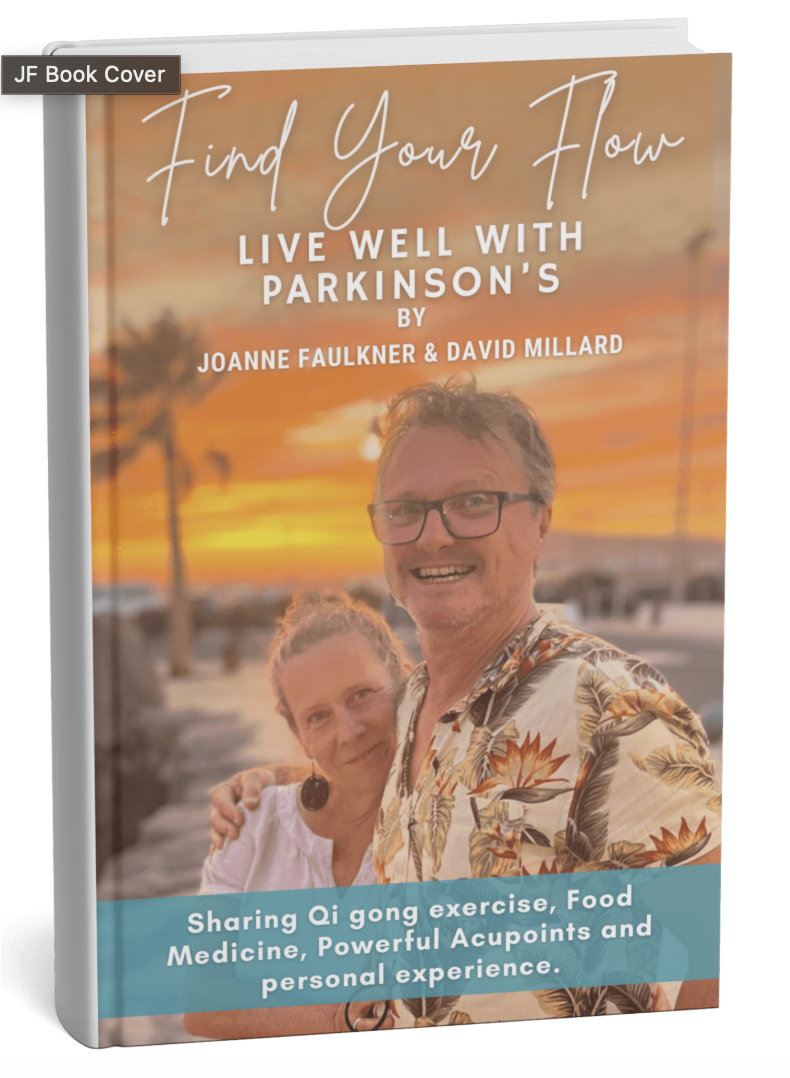
This practice is taken from our new book Find Your Flow: Live Well with Parkinson’s, where we share many more practical tools to support daily life with Parkinson’s — from breathwork and acupressure to simple Qi Gong practices that help improve energy, sleep, and wellbeing.

With May being Parkinson’s Awareness Month, it’s a wonderful opportunity to explore these practices for yourself. Why not join us for a free class and experience how these gentle techniques can help you reconnect with your breath, your body, and your sense of calm.

Join the Free Class

If you are curious about Qi Gong for Parkinson’s, chronic illness, fatigue, or healthy ageing, you are warmly invited to try a free class.

You do not need experience. You do not need flexibility. You simply begin where you are.

👉 Join the Free Class and experience the Eight Brocades for yourself.

Continue the Journey

If you would like ongoing support, Chi Flow with Jo offers:

  • Weekday live classes
  • Full Eight Brocades training
  • Acupressure guidance
  • Food medicine insights
  • Monthly health talks
  • Community gatherings

It is €39 per month, reducing to €20 per month after three months. Just €1 per class.

👉 Join Chi Flow with Jo HERE.

Go Deeper with Our Books

For those wanting to understand how movement, breath, and Chinese Medicine principles support living well with Parkinson’s, our books provide practical guidance rooted in lived experience and clinical wisdom.

👉 Buy the books and explore how to Find Your Flow and Live Well with Parkinson’s.

Movement does not need to be extreme to be powerful.
Small daily expansion reshapes the body.
Steady breath reshapes the nervous system.
Gentle repetition rebuilds confidence.

Every human body carries extraordinary capacity for renewal when given the right rhythm.

If April is asking you to soften into strength, come and practice with us.

Self-administered acupressure or Chinese Medicine is not a substitute for visits to qualified healthcare practitioners.

Knowing how to treat yourself and your loved ones with complimentary therapies like acupressure can be greatly beneficial and convenient. However, for serious and chronic conditions, you’ll want to visit an Shiatsu therapist / Acupuncturist or other qualified healthcare practitioner who can develop a treatment plan based on your unique medical history and combination of symptoms.

The information provided should not be considered medical advice.

Topics: Breathwork, Parkinson’s support, sleep practices, Qi Gong, acupressure.
Struggling with Sleep? Try Shiatsu, Acupressure, and Qi Gong

Struggling with Sleep? Try Shiatsu, Acupressure, and Qi Gong

 Understanding Sleep Disruptions Through Chinese Medicine

I’m excited to share some amazing insights from a recent podcast interview, where we dived deep into sleep issues, Chinese medicine, and the impact of Menopause and COVID-19 . If you’ve ever struggled with sleep, especially post-COVID, this blog and the video podcast is for you!

A Personal Story: From Sleepless Nights to Sweet Dreams

One of our lovely community members shared her personal journey of battling insomnia after recovering from COVID-19. Before COVID, she never had trouble sleeping, but post-recovery, she found herself waking up soon after falling asleep. The frustration of lying awake at night became a constant struggle.

She also her experience of a traumatic childbirth with her second child, which resulted in septicaemia and a highly stressful period. This past shock, combined with her recent Covid experience, seems to be affecting her sleep.

She tried magnesium supplements, which helped a bit, but her sleep remained fragmented. She practiced Yoga Nidra, a form of guided meditation, which worked wonders initially, but she still woke up frequently. Sound familiar?

Menopause and Sleep: A Roller Coaster Ride

Our conversation also touched upon the challenges of menopause. Many women, including our guest, experience mood swings and sleep disturbances during this phase. It’s not just about the hormones but also how our mind and body process these changes.

Chinese medicine offers a unique perspective, emphasizing the interconnectedness of our organs and emotions. The heart and small intestine, for instance, plays a crucial role in how we experience, integrate and transform shock and trauma. These experiences can ripple through our system, affecting our sleep and overall well-being.

Embracing Chinese Medicine: Building a Home for the Heart

In Chinese medicine, insomnia is often seen as a problem of the blood and the heart. Our spirit, (Shen in Chinese Medicine) needs a peaceful home in the heart to settle in for the night. If the heart is unsettled, sleep becomes elusive. Here are some tips we discussed in the Podcast to help calm the heart and promote better sleep:

Qi Gong: Incorporating these practices into your bedtime routine can be very beneficial. They help calm the nervous system and create a sense of inner peace. (sign up for the free class at the end of this blog/plus there’s a special qi gong move at the end of the podcast.)

Winding Down Before Bed

To improve sleep, it’s important to wind down properly before bed. Qi gong is an excellent ways to relax, but you can also try adding some mantra or humming.

Including an “ohm” chant can help stimulate the Vagus nerve, located on either side of the neck, which will deeply relax your body and prepare you for sleep.

  • ☯️ Sit comfortably and take a deep belly breath.
  • ☯️ On the exhale begin humming or chanting “OHM.”
  • ☯️ Feeling the vibration begin from your belly, push it up through your chest and experience the resonance through the head.
  • ☯️ On the inhalation imagine the energy falling back down to the lower belly.
  • ☯️ Begin the circuit agail
  • ☯️ Practice at least 9 times for the benefit to become rooted in your body.

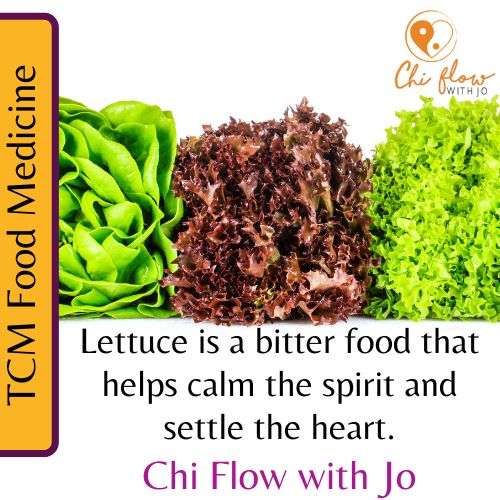
Dietary Adjustments: Each of the organs is linked to a flavour.  The heart is supported by the bitter flavour, often found growing in the height of summer.  Bitter greens like dandelion leaves, nettles, spinach, and chard can improve blood circulation and support heart health. Mung beans, in particular, are fantastic for the heart in Chinese Medicine.  Find out which organ likes which flavour in my books.

Foods for Sleep

Drinking plenty of water and herbal teas like chamomile, valerian, and even a special lettuce tea can support your kidneys and heart.

Making barley water and drinking it throughout the week is another great way to stay hydrated and support your kidneys.

Ensuring the Kidney Meridian system and its management of water element is strong will help calm heart fire which causes hot flushes, anxiety and insomnia.

Additionally, try drinking lettuce tea before bed—it’s delicious, easy to make, and helps relax your body for sleep. You can find the recipe [HERE]

Acupressure helps promote restful sleep by stimulating specific points on the body that regulate the nervous system, reduce stress, and balance the flow of energy (chi). By releasing tension and enhancing relaxation, acupressure can improve the quality of sleep and support the body’s natural sleep-wake cycle.

This massage benefits the kidney meridian, which is related to water and helps balance fire and water in the body, especially around the heart and chest.

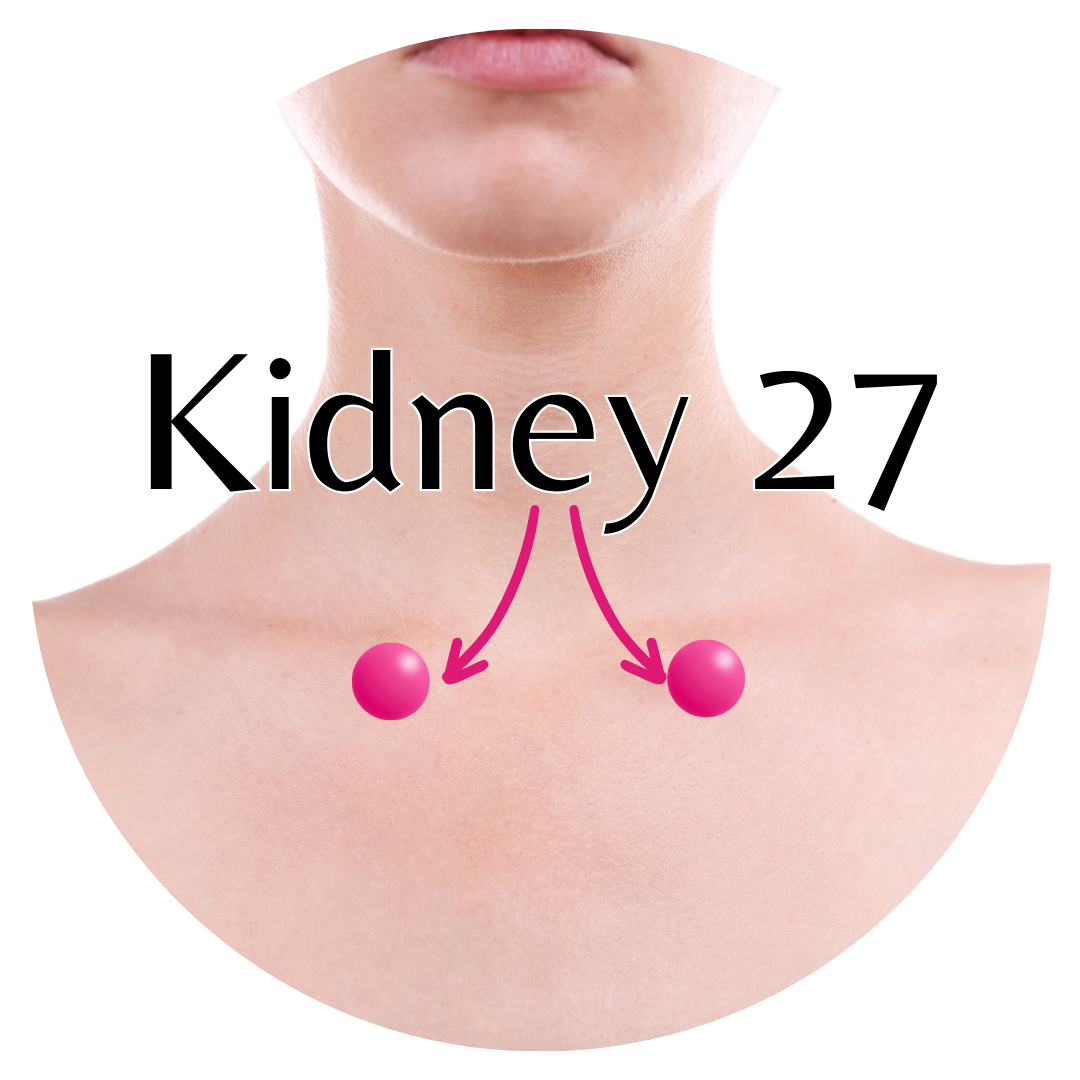
Kidney 27 Acupressure for Calming Heart Fire

Place your fingers either side of the sternum, in line with the nipples, and massage into the spaces between the ribs. Press, hold, and tap as you move down either side of the sternum, feeling the connection. This area, which contains the intercostal muscles, can hold a lot of tension. Gently massage these spaces, imagining energy flowing, guiding it with your intention rather than force.

Finally, find Kidney 27: locate the knobbly parts of the collarbone and slide off diagonally into a small divot. Massage this point by pressing, holding, and releasing.

Kidney 27 is excellent for rebalancing the yin and yang and is particularly helpful if you feel burnt out or exhausted.

Consistently massaging Kidney 27 helps maintain balance and flow in your energy. Remember, you’re not just pressing a button; you’re connecting with your own energy source.

Watch the full video in the Podcast below for exact location and practice.

Conclusion: Your Path to Restful Sleep

Remember, every small change can make a big difference. By nurturing your heart, supporting your kidneys, and incorporating calming practices into your routine, you can create a peaceful environment for your spirit to rest. Let’s embrace the wisdom of Chinese medicine and Qi Gong to transform our sleep and overall well-being.

Join us in our daily live Qi Gong classes at Chi Flow with Jo, and let’s embark on this journey together. Here’s to nights filled with peaceful sleep and days brimming with energy and joy!

Join Us for a FREE Online Qi Gong Class (scroll down to enter your email)

Ready to experience the benefits of Qi Gong for yourself? We invite you to join us for a free online Qi Gong class. Together, we will explore these easy flowing movements, stretching and releasing to cultivate mindfulness, relaxation, and focus.  Just fill in your details below and you’ll get a link to the FREE class.

Discover how the gentle practice of qi gong can transform your health and well-being, bringing balance and harmony to your life. Whether you’re new to Qi Gong or looking to deepen your practice, our classes are designed to support you every step of the way.

Join us today and take the first step towards a healthier, more balanced you.  Scroll down to sign up!

WATCH THE FULL VIDEO BELOW INCLUDING  A SLEEP QI GONG SEQUENCE AFTER THE CONVERSATION:

Cultivating Mindfulness, Relaxation, and Focus

One of the most profound benefits of Qi Gong is its ability to cultivate mindfulness, relaxation, and focus. Each movement is performed with intention and awareness, allowing practitioners to connect deeply with their bodies and breath. This mindful approach not only enhances the physical benefits of the practice but also translates into everyday life, leading to:

Better Mobility: Improved flexibility and strength make it easier to perform daily activities with ease and confidence.

Less Anxiety: The calming effects of mindful movement help to reduce stress and anxiety, promoting a sense of inner peace.

Sound Sleep: The relaxation induced by Qi Gong supports better sleep patterns, helping you to wake up refreshed and rejuvenated.

By integrating these practices and dietary changes, you can help calm your mind, relax your body, and improve the quality of your sleep. Shiatsu, acupressure, and qi gong are powerful tools to support your well-being, especially as you age.

If you have specific concerns, always consult with a healthcare provider familiar with these practices to tailor a plan that’s right for you.


Are you ready to find your flow?

If you’re ready to reduce anxiety, ground your energy, and ease those uncomfortable menopause symptoms, join me in Chi Flow with Jo. Together, we’ll explore Qi Gong, food medicine, and acupressure in a way that supports your unique journey through menopause.

Sign up today  (scroll down) and take the first step toward feeling more balanced, calm, and connected to your body.

Until next time, stay balanced and be well.


Self-administered acupressure or Chinese Medicine is not a substitute for visits to qualified healthcare practitioners.

Knowing how to treat yourself and your loved ones with complimentary therapies like acupressure can be greatly beneficial and convenient. However, for serious and chronic conditions, you’ll want to visit an Shiatsu therapist / Acupuncturist or other qualified healthcare practitioner who can develop a treatment plan based on your unique medical history and combination of symptoms.  

The information provided should not be considered medical advice.