
Finding Balance: Easing Anxiety and other Menopause Symptoms with Qi Gong, Acupoints and Food Medicine
Finding Balance: Easing Anxiety and other Menopause Symptoms with Qi Gong, Acupoints and Food Medicine
Menopause often brings anxiety, palpitations, sleepless nights, and even panic attacks, which can feel overwhelming. I know this firsthand from my own experience. There was a time when I stood in the supermarket, gripped by hot flushes, shortness of breath, and a wave of sheer terror. Sound familiar? You’re not alone.
But there’s good news—Chinese Medicine offers solutions. Through Qi Gong, acupressure, and food medicine, you can ease those intense symptoms and find balance again. Let’s explore how.
Anxiety and Panic Attacks: What’s Happening?
Anxiety and panic attacks during menopause are often felt in the chest—tightness, racing heart, and shortness of breath. In Chinese Medicine, these symptoms suggest that too much energy is rising to the heart, leaving us feeling agitated and ungrounded. To find relief, it’s crucial to bring that energy down.
I’ve been there, and I’ve learned how to work with my body’s natural energy to calm my system.
Acupressure point to reduce anxiety
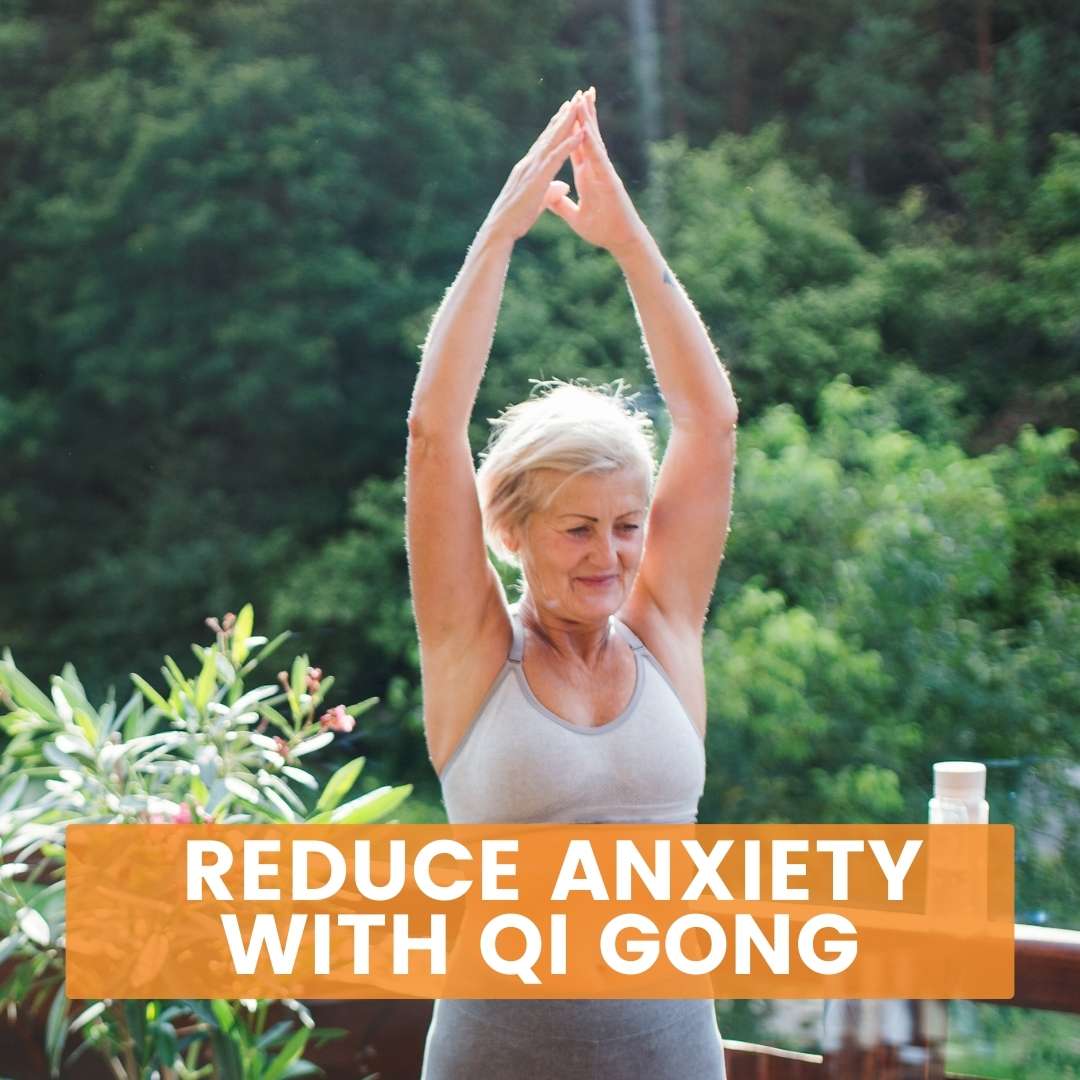
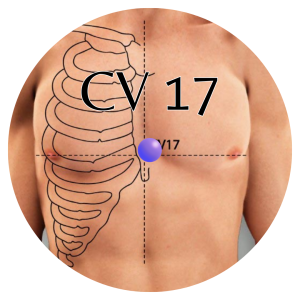
By tapping into the Conception Vessel 17 (CV17) point on the chest and practicing specific Qi Gong movements, you can help move energy from the heart to the lower body, grounding your emotions and calming your anxiety.
Try this: Place your middle fingers on your sternum, near the heart, and gently massage. This helps relax the muscles around your chest and brings the energy down to your lower abdomen, where your body feels more centered.
The Root Cause: Kidney Energy Imbalances
In Chinese Medicine, the heart is seen as the emperor, but it’s the kidneys that fuel its function. When your Kidney energy is depleted—especially during menopause, when hormones are fluctuating—the heart can go into overdrive, resulting in those feelings of panic, palpitations, and even insomnia.
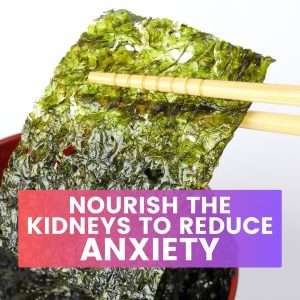
Strengthening your Kidney energy can bring a sense of calm and stability back into your life. How do we do this? By incorporating foods that nourish the Kidneys, like seaweed, walnuts, and black beans, and practicing Qi Gong exercises that balance the Kidney and Heart energies.
The Power of Yin: Cooling and Restoring Balance
Kidney energy is associated with Yin—the cooling, restorative energy that calms the heat of Yang activity.
If you’re dealing with hot flashes, anxiety, or exhaustion, it could mean your Kidney Yin is depleted.
Strengthening your Yin energy helps balance out the heat and restore your body’s internal harmony.
Simple practices like Qi Gong, acupressure, and adding salty, Yin-nourishing foods to your diet (think miso, seaweed, or bone broth) can help you cool down, both physically and emotionally.
Taking Care of You
Ultimately, all the information in the world won’t help unless you care—care for yourself and listen to your body. Practicing Qi Gong isn’t just about exercises; it’s about connecting with your inner energy, calming your mind, and creating space for healing.
Are you ready to find your flow?
If you’re ready to reduce anxiety, ground your energy, and ease those uncomfortable menopause symptoms, join me in Chi Flow with Jo. Together, we’ll explore Qi Gong, food medicine, and acupressure in a way that supports your unique journey through menopause.
Sign up today (scroll down) and take the first step toward feeling more balanced, calm, and connected to your body.
Until next time, stay balanced and be well.


Self-administered acupressure or Chinese Medicine is not a substitute for visits to qualified healthcare practitioners.
Knowing how to treat yourself and your loved ones with complimentary therapies like acupressure can be greatly beneficial and convenient. However, for serious and chronic conditions, you’ll want to visit an Shiatsu therapist / Acupuncturist or other qualified healthcare practitioner who can develop a treatment plan based on your unique medical history and combination of symptoms.
The information provided should not be considered medical advice.