Five Things to Consider Before You Retire

Five Things to Consider Before You Retire

Living with Parkinson’s, and learning to listen

Retirement is often spoken about as a reward, something you arrive at after decades of effort.
But when it comes earlier than expected, especially when Parkinson’s is part of the story, it can feel less like arrival and more like a quiet reorganisation of life.

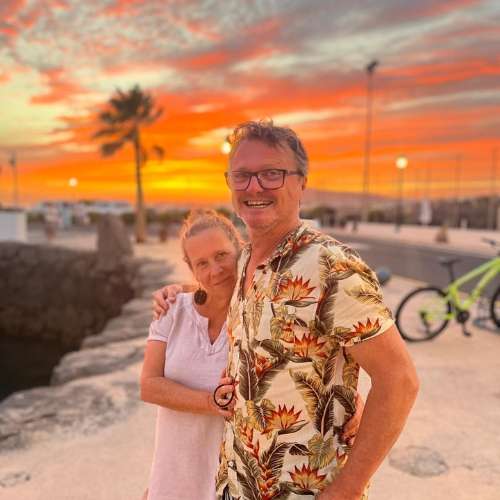
Davy, who is almost 10 years diagnosed with Parkinson’s, recently took early retirement after over 25 years working with Bord Iascaigh Mhara.
It wasn’t a decision driven by readiness or excitement. It was driven by listening.

Listening to a body that no longer wanted to be pushed in the same way.

We wanted to share five things that rarely get talked about when people speak about retirement, especially for those living with Parkinson’s, or walking alongside someone who is.

This isn’t about finances or plans.  It’s about the day-to-day, lived changes that happen quietly.

1. Structure doesn’t disappear, it changes

One of the first surprises of retirement is how quickly structure fades.

For most of adult life, our days are shaped externally.
Alarms, commutes, meetings, expectations.
Even when work is demanding, it provides rhythm.

When that rhythm suddenly stops, time can lose its edges.
Days blur.  Morning slips into afternoon and evening without meaning and sometimes too much tv.

For someone living with Parkinson’s, this lack of structure can be felt physically.
Stiffness increases.  Motivation and mood dips.

What becomes clear is that retirement doesn’t remove the need for structure.
It simply hands the responsibility back to you, to create rhythms that serve your body and energy now, not the person you once were.

Practical ideas

  • Choose one gentle anchor for the morning, something to get up for, not something to rush towards.
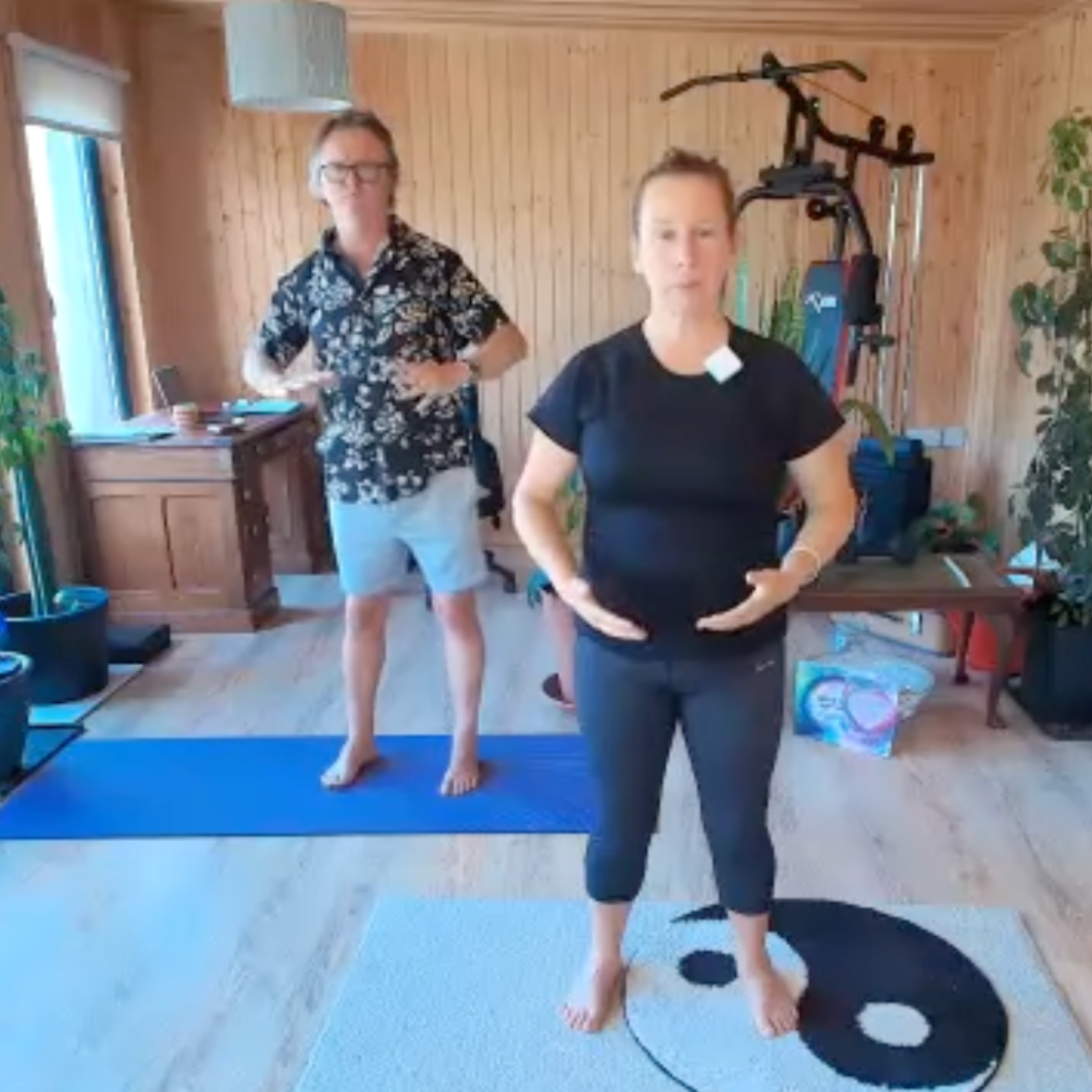
  • This might be a regular online Qi Gong class like Chi Flow with Jo, where others are gathering at the same time.
  • It might be a cup of tea by the window at the same time each day, noticing the light and the weather, writing in your journal.
  • Keep mornings simple. Structure does not need to be busy to be supportive.

2. The loss of everyday connection is real

People often say they don’t miss the job, they miss the people.

Work provides a steady stream of small human connections, conversations, shared moments.
When work ends, those interactions quietly disappear.

There is also a truth that can be hard to sit with.
When you leave a workplace, life there continues.
Not out of unkindness, but because systems move on.

For someone living with Parkinson’s, where fatigue, confidence, and mobility can already shrink the world, this loss of connection can increase the risk of isolation.

Community doesn’t automatically replace itself.  It needs to be grown and tended.

Chi Flow with Jo is a daily LIVE practice with an interactive chat at the end of the 30 minute class.  It’s a great supportive community.

Practical ideas

  • Look for connections that are regular rather than intense. Familiar faces matter more than long conversations. 
  • A daily or weekly group practice, whether movement, breath, or shared interest, can gently rebuild belonging. 
  • If energy is low, even listening to a podcast can soften feelings of loneliness and create a sense of companionship. 
  • Stay connected in ways that feel manageable, not draining. 

3. Direction needs to be reimagined

Work gives us a sense of direction through time.
There is always a next thing, a milestone, a goal on the horizon.

When retirement arrives unexpectedly, it can leave a person feeling adrift.
Parkinson’s often already challenges future assumptions, and retirement can deepen that uncertainty.

There can be a temptation to rush into filling the space.
To replace productivity with more productivity.

But sometimes direction doesn’t mean achievement.
Sometimes it means tending.

Practical ideas

  • Instead of asking, “What should I do with my life now?”, try asking, “What would support me today?” 
  • Go for a short walk, even ten minutes, and let that be enough for the day.  Even if walking is difficult, movement is essential.  Qi Gong and Chi Flow with Jo can be a great support for balance and energy levels 
  • Listen to something nourishing, a podcast, music, or silence, and let it mark the movement from morning into day. 
  • Keep a simple journal. One or two lines at the end of the day about how you felt in your body and mood is enough. Over time, patterns emerge. 

Direction often appears quietly, through small, repeated choices.

Breathwork can be a quiet ally when living with Parkinson’s.

As the condition progresses, breathing can become shallow without us noticing. Posture changes, rigidity through the chest, anxiety, and fatigue all play a part.

Over time, this can leave the nervous system feeling slightly on edge, even on calm days. Coming back to the breath is not about controlling it or doing it “right”.

It’s about remembering that the breath is always there, waiting to support you.

Gentle breathwork helps calm the nervous system, soften stiffness, and bring a sense of space into the body.

It can also be deeply reassuring on days when tremor, freezing, or low mood feel close to the surface.
A simple way to begin

Sit or stand comfortably, no need to change anything yet.

Place one hand on your belly, one on your chest.

Let the inhale arrive naturally through the nose and fill the belly first then the upper chest.

Allow the exhale to soften and lengthen, gently through the mouth.

Imagine the breath dropping down into the belly like a stone settling into water.

Even three or four slow breaths like this can make a difference.

Breathwork doesn’t need energy, equipment, or perfect focus. It meets you where you are, whether you’re tired, foggy, anxious, or steady.

Practised regularly, it can become a familiar place to return to, a way of coming home to yourself when Parkinson’s feels loud. And on days when that’s all you do, that is more than enough.

Join myself and Davy for a free online breathwork class: https://livewellwithparkinsons.ie/freebies/

4. Identity needs space to soften

For many of us, identity is closely tied to what we do.
Introductions begin with job titles.
Worth is quietly measured in usefulness.

When work ends, especially early, that identity can dissolve faster than expected.
Parkinson’s often asks this question first.
Who am I if I can’t do what I used to do?

There is grief in this.
But there is also an invitation.

To discover identity as relationship, not role.

Practical ideas

  • Notice the language you use with yourself. Gently shift from “I used to be…” to “At the moment, I am…”


  • Allow identity to be fluid. Today you might be someone who rests. Tomorrow someone who moves.


  • Journalling can help here too, not to analyse, but to witness who you are becoming.
  • Create a vision board.  Find images of things you like to do, like to visit or would like to try.  This can be online screenshots or physical cut and paste from magazines.


  • Practices like Qi Gong can support this shift, helping you feel yourself as energy and presence, not productivity.


5. Energy becomes the guiding currency

Living with Parkinson’s teaches you that energy is finite.
You can no longer spend it carelessly.

Retirement can either drain energy or restore it, depending on how days are shaped.
Without movement, the body stiffens.
Without meaning, energy leaks away.
Without rhythm, the nervous system struggles.

Learning to notice what nourishes and what depletes becomes essential.

Practical ideas

  • Choose movement that leaves you feeling better afterwards, not exhausted. Gentle, regular exercise is more supportive than occasional effort.


  • Morning practices often work best, before fatigue or doubt take over.


  • Build in rest without guilt. Rest is not the opposite of living, it is part of it.


Keep checking in with your energy rather than your expectations.

A quieter understanding

Retirement, especially when shaped by Parkinson’s, is not an ending.
It is a reorganisation of life.

There is grief in letting go of old identities and rhythms.
There is also honesty.

You stop living on borrowed momentum.
You start listening more closely to what actually matters, today.

That question can feel unsettling.
But it can also open the door to a life lived a little closer to what is real.

One day at a time is enough.

A gentle takeaway

If retirement is approaching, or has arrived sooner than expected, especially with Parkinson’s in the mix, remember this:

  • Create one small rhythm in your day that your body can rely on. Morning often works best.


  • Stay connected, even in simple ways. Familiar faces and shared routines matter more than long conversations.


  • Let direction be small. Ask what would support you today, not what you should achieve.


  • Allow identity to soften. You are more than what you did, and more than what your body can do.


  • Spend your energy wisely. Choose movement, rest, and nourishment that leave you feeling steadier, not depleted.

Join Us and Try a Free Class


We offer a free class at the end of the month so you can try Chi Flow before you join.

Membership is only €39 per month, with over 20 classes included each month.
After three months, your subscription halves to €20, making it the most affordable Parkinson’s-friendly Qi Gong programme available online.

You are warmly welcome to practise with us and discover your own flow.


💗 Ready to Join?

Click here to become a member of Chi Flow with Jo → CLICK HERE

Or drop in for a class and feel it for yourself (sign up below). Join the Chi Flow with Jo community for live sessions, practice, and support.

You don’t need to have it all worked out.
You just need something gentle to lean into, one day at a time.

Self-administered acupressure or Chinese Medicine is not a substitute for visits to qualified healthcare practitioners.

Knowing how to treat yourself and your loved ones with complimentary therapies like acupressure can be greatly beneficial and convenient. However, for serious and chronic conditions, you’ll want to visit an Shiatsu therapist / Acupuncturist or other qualified healthcare practitioner who can develop a treatment plan based on your unique medical history and combination of symptoms.

The information provided should not be considered medical advice.
Qi Gong for Parkinson’s & Chronic Illness

Qi Gong for Parkinson’s & Chronic Illness

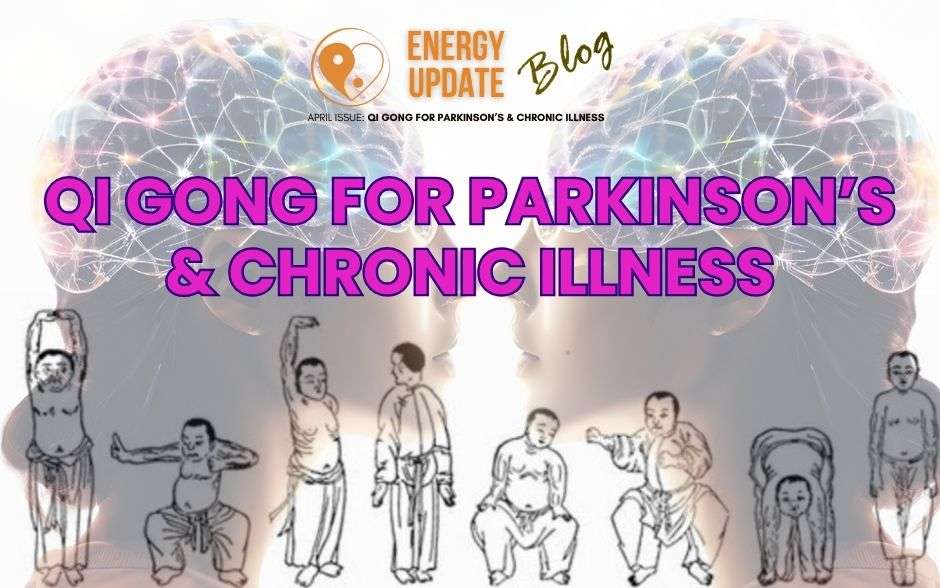
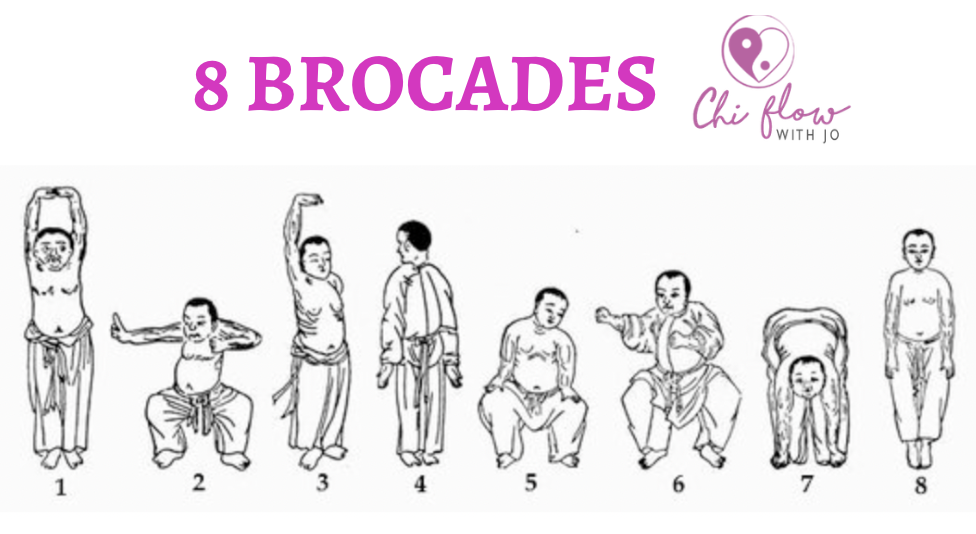
8 Brocades, Draw the Bow Explained

If you live with Parkinson’s, chronic illness, fatigue, stiffness, or simply feel that your body needs kind reconditioning, this is where the Eight Brocades Qi Gong practice becomes powerful.

Inside Chi Flow with Jo, April is dedicated to the classical practice known as Ba Duan Jin, the Eight Brocades, a sequence believed to be over 1000 years old

These movements are simple, accessible, and deeply restorative.

If you have ever thought, “I know I should move more, but I don’t want to exhaust myself,” you are in the right place.

Why the 8 Brocades Are Ideal for Parkinson’s and Chronic Illness

The Eight Brocades act like a daily system check for the body.

They support:

  • Circulation and joint mobility
  • Upright posture and spinal strength
  • Nervous system regulation
  • Gentle, sustainable muscle activation
  • Mental clarity and emotional steadiness

For people living with Parkinson’s, consistency is more important than intensity. Small, repeated movements retrain coordination and rebuild confidence. For those managing chronic fatigue, autoimmune conditions, or recovery phases, this practice strengthens without draining.

Over time, this shows up as:

  • Easier mornings
  • Less tension in shoulders and neck
  • Greater steadiness when standing
  • Calmer evenings
  • Feeling present in your body again

One of our members of Chi Flow with Jo recently shared that after a few weeks of steady practice, she stopped bracing herself every time she stood up. Her shoulders softened. Her breath deepened. She noticed she was less reactive at home.

That is the real medicine.

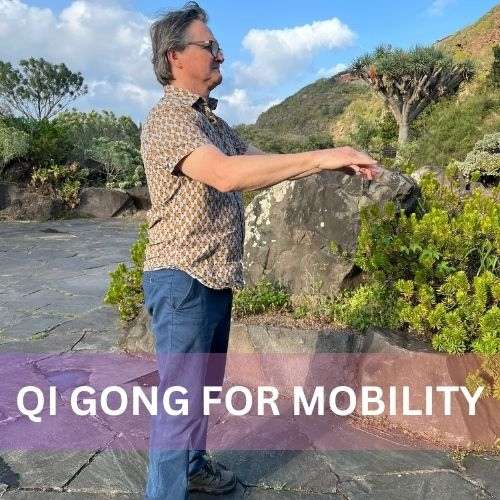
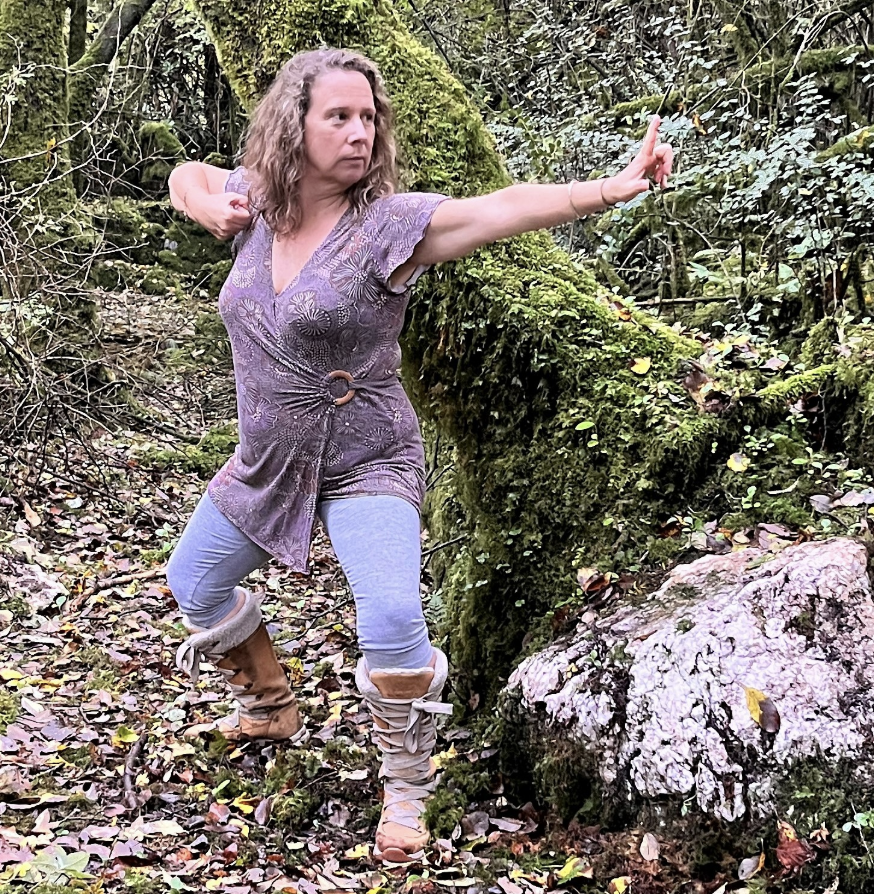
The Anchor Movement, Draw the Bow, Fire the Arrow

One of the most empowering movements from the Eight Brocades is called Draw the Bow.

It is simple, grounding, and deeply regulating.

You stand with feet steady and rooted.
One hand draws back as though holding a bow.
The other extends forward as if gently aiming an arrow.

You inhale as you draw back.
You exhale as you release.

It is not about range.
It is about direction.

Benefits of Draw the Bow

  • Opens the chest and shoulders
  • Improves posture
  • Strengthens upper back muscles
  • Encourages coordinated breath and movement
  • Builds focus and quiet confidence
  • Supports emotional resilience

For those feeling collapsed, protective, or mentally foggy, this movement reminds the body,
I am here. I have direction.

In Parkinson’s, posture can gradually become flexed forward. Movements that open the chest and activate the back body are essential for maintaining upright presence. In chronic stress states, the chest often tightens. This movement restores expansion without force.

For Davy, living with Parkinson’s for over a decade, the Eight Brocades have become an anchor. On low energy days, he returns to simple repetition. Familiar rhythm. Breath. One movement at a time.

Some days are small. Some days are strong. Both count.

That mindset is powerful medicine.

Why Daily Live Practice Makes the Difference

The movement itself is important. The consistency is transformational.

Inside Chi Flow with Jo, members join:

  • Weekday live Qi Gong classes

  • Replays for flexible practice

  • Monthly health talks

  • Acupressure guidance

  • Food medicine support

  • Community reflection gatherings

When you know there is a space to show up, something shifts. Structure creates energy. Connection creates purpose.

And if you miss a day, there is no guilt. Just an open door.

Can Qi Gong Help Parkinson’s Symptoms?

Research and lived experience suggest that regular Qi Gong practice may support:

  • Balance and coordination
  • Reduced rigidity
  • Improved posture
  • Nervous system regulation
  • Better sleep
  • Emotional steadiness

The key is consistency. Not intensity.


The Eight Brocades are particularly effective because they combine:

  • Breath regulation
  • Bilateral movement
  • Gentle resistance
  • Coordinated focus

This integrated approach supports both physical and neurological resilience.

Join the Free Class

If you are curious about Qi Gong for Parkinson’s, chronic illness, fatigue, or healthy ageing, you are warmly invited to try a free class.

You do not need experience. You do not need flexibility. You simply begin where you are.

👉 Join the Free Class and experience the Eight Brocades for yourself.

Continue the Journey

If you would like ongoing support, Chi Flow with Jo offers:

  • Weekday live classes
  • Full Eight Brocades training
  • Acupressure guidance
  • Food medicine insights
  • Monthly health talks
  • Community gatherings

It is €39 per month, reducing to €20 per month after three months. Just €1 per class.

👉 Join Chi Flow with Jo HERE.

Go Deeper with Our Books

For those wanting to understand how movement, breath, and Chinese Medicine principles support living well with Parkinson’s, our books provide practical guidance rooted in lived experience and clinical wisdom.

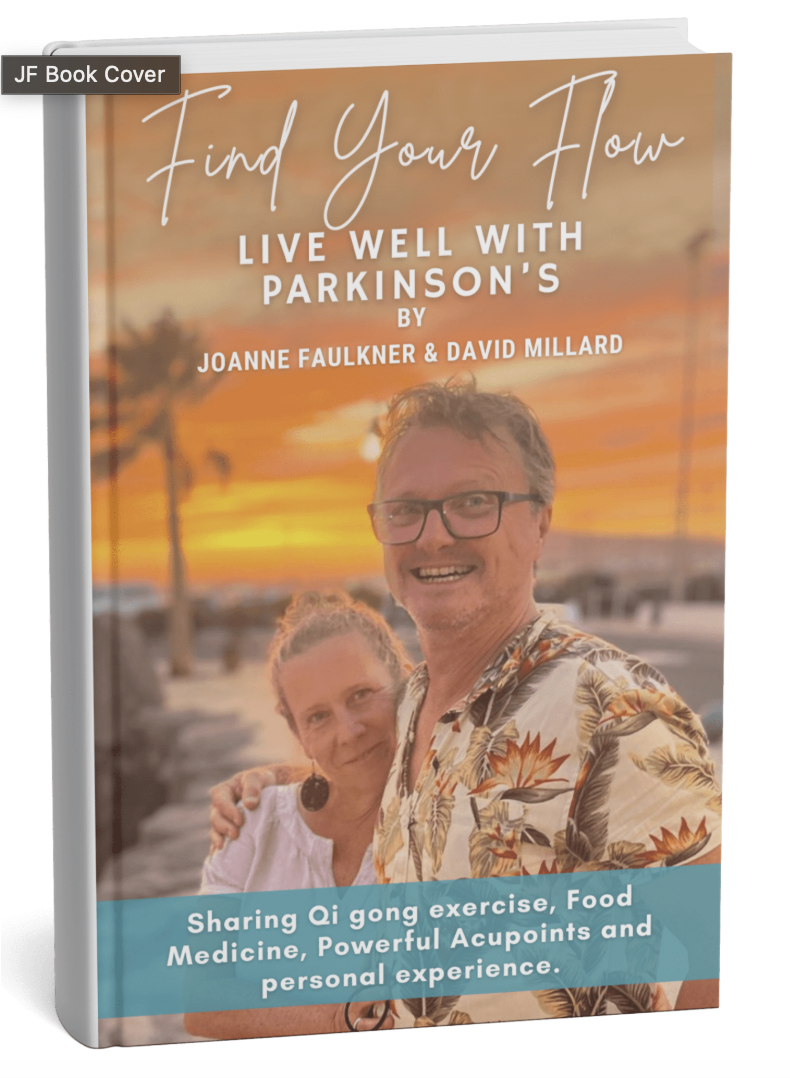
👉 Buy the books and explore how to Find Your Flow and Live Well with Parkinson’s.

Movement does not need to be extreme to be powerful.
Small daily expansion reshapes the body.
Steady breath reshapes the nervous system.
Gentle repetition rebuilds confidence.

Every human body carries extraordinary capacity for renewal when given the right rhythm.

If April is asking you to soften into strength, come and practice with us.

Self-administered acupressure or Chinese Medicine is not a substitute for visits to qualified healthcare practitioners.

Knowing how to treat yourself and your loved ones with complimentary therapies like acupressure can be greatly beneficial and convenient. However, for serious and chronic conditions, you’ll want to visit an Shiatsu therapist / Acupuncturist or other qualified healthcare practitioner who can develop a treatment plan based on your unique medical history and combination of symptoms.

The information provided should not be considered medical advice.
Five Things to Consider Before You Retire

Five Things to Consider Before You Retire

Living with Parkinson’s, and learning to listen

Retirement is often spoken about as a reward, something you arrive at after decades of effort.
But when it comes earlier than expected, especially when Parkinson’s is part of the story, it can feel less like arrival and more like a quiet reorganisation of life.

Davy, who is almost 10 years diagnosed with Parkinson’s, recently took early retirement after over 25 years working with Bord Iascaigh Mhara.
It wasn’t a decision driven by readiness or excitement. It was driven by listening.

Listening to a body that no longer wanted to be pushed in the same way.

We wanted to share five things that rarely get talked about when people speak about retirement, especially for those living with Parkinson’s, or walking alongside someone who is.

This isn’t about finances or plans.  It’s about the day-to-day, lived changes that happen quietly.

1. Structure doesn’t disappear, it changes

One of the first surprises of retirement is how quickly structure fades.

For most of adult life, our days are shaped externally.
Alarms, commutes, meetings, expectations.
Even when work is demanding, it provides rhythm.

When that rhythm suddenly stops, time can lose its edges.
Days blur.  Morning slips into afternoon and evening without meaning and sometimes too much tv.

For someone living with Parkinson’s, this lack of structure can be felt physically.
Stiffness increases.  Motivation and mood dips.

What becomes clear is that retirement doesn’t remove the need for structure.
It simply hands the responsibility back to you, to create rhythms that serve your body and energy now, not the person you once were.

Practical ideas

  • Choose one gentle anchor for the morning, something to get up for, not something to rush towards.
  • This might be a regular online Qi Gong class like Chi Flow with Jo, where others are gathering at the same time.
  • It might be a cup of tea by the window at the same time each day, noticing the light and the weather, writing in your journal.
  • Keep mornings simple. Structure does not need to be busy to be supportive.

2. The loss of everyday connection is real

People often say they don’t miss the job, they miss the people.

Work provides a steady stream of small human connections, conversations, shared moments.
When work ends, those interactions quietly disappear.

There is also a truth that can be hard to sit with.
When you leave a workplace, life there continues.
Not out of unkindness, but because systems move on.

For someone living with Parkinson’s, where fatigue, confidence, and mobility can already shrink the world, this loss of connection can increase the risk of isolation.

Community doesn’t automatically replace itself.  It needs to be grown and tended.

Chi Flow with Jo is a daily LIVE practice with an interactive chat at the end of the 30 minute class.  It’s a great supportive community.

Practical ideas

  • Look for connections that are regular rather than intense. Familiar faces matter more than long conversations. 
  • A daily or weekly group practice, whether movement, breath, or shared interest, can gently rebuild belonging. 
  • If energy is low, even listening to a podcast can soften feelings of loneliness and create a sense of companionship. 
  • Stay connected in ways that feel manageable, not draining. 

3. Direction needs to be reimagined

Work gives us a sense of direction through time.
There is always a next thing, a milestone, a goal on the horizon.

When retirement arrives unexpectedly, it can leave a person feeling adrift.
Parkinson’s often already challenges future assumptions, and retirement can deepen that uncertainty.

There can be a temptation to rush into filling the space.
To replace productivity with more productivity.

But sometimes direction doesn’t mean achievement.
Sometimes it means tending.

Practical ideas

  • Instead of asking, “What should I do with my life now?”, try asking, “What would support me today?” 
  • Go for a short walk, even ten minutes, and let that be enough for the day.  Even if walking is difficult, movement is essential.  Qi Gong and Chi Flow with Jo can be a great support for balance and energy levels 
  • Listen to something nourishing, a podcast, music, or silence, and let it mark the movement from morning into day. 
  • Keep a simple journal. One or two lines at the end of the day about how you felt in your body and mood is enough. Over time, patterns emerge. 

Direction often appears quietly, through small, repeated choices.

Breathwork can be a quiet ally when living with Parkinson’s.

As the condition progresses, breathing can become shallow without us noticing. Posture changes, rigidity through the chest, anxiety, and fatigue all play a part.

Over time, this can leave the nervous system feeling slightly on edge, even on calm days. Coming back to the breath is not about controlling it or doing it “right”.

It’s about remembering that the breath is always there, waiting to support you.

Gentle breathwork helps calm the nervous system, soften stiffness, and bring a sense of space into the body.

It can also be deeply reassuring on days when tremor, freezing, or low mood feel close to the surface.

A simple way to begin

  • Sit or stand comfortably, no need to change anything yet.
  • Place one hand on your belly, one on your chest.
  • Let the inhale arrive naturally through the nose and fill the belly first then the upper chest.
  • Allow the exhale to soften and lengthen, gently through the mouth.
  • Imagine the breath dropping down into the belly like a stone settling into water.

Even three or four slow breaths like this can make a difference.

Breathwork doesn’t need energy, equipment, or perfect focus. It meets you where you are, whether you’re tired, foggy, anxious, or steady.

Practised regularly, it can become a familiar place to return to, a way of coming home to yourself when Parkinson’s feels loud. And on days when that’s all you do, that is more than enough.

Join myself and Davy for a free online breathwork class: https://livewellwithparkinsons.ie/freebies/

4. Identity needs space to soften

For many of us, identity is closely tied to what we do.
Introductions begin with job titles.
Worth is quietly measured in usefulness.

When work ends, especially early, that identity can dissolve faster than expected.
Parkinson’s often asks this question first.
Who am I if I can’t do what I used to do?

There is grief in this.
But there is also an invitation.

To discover identity as relationship, not role.

Practical ideas

  • Notice the language you use with yourself. Gently shift from “I used to be…” to “At the moment, I am…”

  • Allow identity to be fluid. Today you might be someone who rests. Tomorrow someone who moves.

  • Journalling can help here too, not to analyse, but to witness who you are becoming.
  • Create a vision board.  Find images of things you like to do, like to visit or would like to try.  This can be online screenshots or physical cut and paste from magazines.

  • Practices like Qi Gong can support this shift, helping you feel yourself as energy and presence, not productivity.

5. Energy becomes the guiding currency

Living with Parkinson’s teaches you that energy is finite.
You can no longer spend it carelessly.

Retirement can either drain energy or restore it, depending on how days are shaped.
Without movement, the body stiffens.
Without meaning, energy leaks away.
Without rhythm, the nervous system struggles.

Learning to notice what nourishes and what depletes becomes essential.

Practical ideas

  • Choose movement that leaves you feeling better afterwards, not exhausted. Gentle, regular exercise is more supportive than occasional effort.

  • Morning practices often work best, before fatigue or doubt take over.

  • Build in rest without guilt. Rest is not the opposite of living, it is part of it.

Keep checking in with your energy rather than your expectations.

A quieter understanding

Retirement, especially when shaped by Parkinson’s, is not an ending.
It is a reorganisation of life.

There is grief in letting go of old identities and rhythms.
There is also honesty.

You stop living on borrowed momentum.
You start listening more closely to what actually matters, today.

That question can feel unsettling.
But it can also open the door to a life lived a little closer to what is real.

One day at a time is enough.

A gentle takeaway

If retirement is approaching, or has arrived sooner than expected, especially with Parkinson’s in the mix, remember this:

  • Create one small rhythm in your day that your body can rely on. Morning often works best.

  • Stay connected, even in simple ways. Familiar faces and shared routines matter more than long conversations.

  • Let direction be small. Ask what would support you today, not what you should achieve.

  • Allow identity to soften. You are more than what you did, and more than what your body can do.

  • Spend your energy wisely. Choose movement, rest, and nourishment that leave you feeling steadier, not depleted.

You don’t need to have it all worked out.
You just need something gentle to lean into, one day at a time.

Join Us and Try a Free Class


We offer a free class at the end of the month so you can try Chi Flow before you join.

Membership is only €39 per month, with over 20 classes included each month.
After three months, your subscription halves to €20, making it the most affordable Parkinson’s-friendly Qi Gong programme available online.

You are warmly welcome to practise with us and discover your own flow.


💗 Ready to Join?

Click here to become a member of Chi Flow with Jo → CLICK HERE

Or drop in for a class and feel it for yourself (sign up below). Join the Chi Flow with Jo community for live sessions, practice, and support.

Self-administered acupressure or Chinese Medicine is not a substitute for visits to qualified healthcare practitioners.

Knowing how to treat yourself and your loved ones with complimentary therapies like acupressure can be greatly beneficial and convenient. However, for serious and chronic conditions, you’ll want to visit an Shiatsu therapist / Acupuncturist or other qualified healthcare practitioner who can develop a treatment plan based on your unique medical history and combination of symptoms.

The information provided should not be considered medical advice.
Qi Gong and Parkinson’s

Qi Gong and Parkinson’s

Living with Parkinson’s brings daily challenges: stiffness, slowness, anxiety, loss of confidence, disrupted sleep, and the struggle to feel like yourself inside a changing body. Yet there is a gentle, powerful, and accessible way to support mobility, balance, mood, and hope. Qi Gong has become a lifeline for thousands of people living with Parkinson’s, including my husband, Davy, who was diagnosed almost ten years ago.

Together we practise Qi Gong every morning in our Chi Flow community, and it continues to support us in ways that reach far beyond physical exercise. This blog explores what Qi Gong is, why it is so supportive for Parkinson’s, Davy’s lived experience, and how you can begin today.

What Is Qi Gong and Why Does It Help Parkinson’s?

If your knees ache, your feet feel inflamed, or you are struggling to lose weight no matter what you do, I want you to know one thing. Your body is not failing. It is speaking.

Qi Gong means “energy work.” It combines slow, steady movements with breath, intention, and awareness. The practice is rooted in Traditional Chinese Medicine and is designed to bring your body and mind back toward balance, without force or strain.

For example if you are feeling jittery and shaky (Yang) it encourages deep breathing and slow movements  (Yin) If you can’t move and you are frozen (Yin) it encourages warming, tapping and movement (Yang)

Qi Gong is adaptable for every body and every kind of day. You can do it seated or standing. You can move for two minutes or twenty. You can practise during a flare or on a good day.

Most importantly for Parkinson’s, Qi Gong naturally includes all six movement categories recommended by international Parkinson’s foundations to slow progression and improve function
• aerobic movement (walking-style flows)
• strength training using your body weight
• balance and stability training
• agility and multitasking
• bilateral brain stimulation
• mindful movement (similar to Tai Chi)

Qi Gong contains all of these in one gentle, accessible practice that supports the brain, nervous system, joints, and emotional wellbeing.

Davy’s Story: Qi Gong as a Lifeline in Daily Life

 When Davy was first diagnosed, he faced shock, fear, and uncertainty. His legs sometimes froze. Stiffness and anxiety were constant companions. Sleep became so disrupted he ended up in hospital.

Qi Gong didn’t cure everything at once, but it gave him something vital, something that every person with Parkinson’s deserves. It gave him agency.

“Qi Gong is something I can always do. Even on shaky days. Even for two minutes. It brings me back to myself.”

Over the years, he noticed
• steadier walking
• fewer freezes
• better balance
• calmer anxiety
• improved sleep
• increased confidence
• a sense of identity beyond the diagnosis

As he says, “It’s not about avoiding adversity. It’s about discovering who you are inside it, and having support so you don’t feel like you’re falling into a black hole you can’t get out of.”

Our daily practice together is a shared anchor. It softens the fear. It strengthens connection. It gives a shot of dopamine every morning through movement, breath, and completion of a task.

How Qi Gong Supports People Living with Parkinson’s

Qi Gong helps the whole body system, from muscles and joints to the brain and nervous system.

1. Better balance and stability

Slow weight shifting, grounded stances, and mindful stepping retrain the body to move safely.

2. Improved coordination and gait

Movements such as “Walking Through the Tall Grass” use bilateral coordination, meaning opposite arm and leg move together. This stimulates both hemispheres of the brain and supports neuroplasticity.

3. Stronger legs, core, and posture

Gentle strengthening helps walking, reduces fatigue, and improves breath and confidence.

4. Less stiffness and rigidity

Qi Gong works on the fascia. Continuous soft movement invites the muscles to release tension naturally.

5. Calmer mind and reduced anxiety

Breath-led movement regulates the nervous system. Many people notice easing anxiety within minutes.

6. More energy, less fatigue

Qi Gong improves circulation and oxygenation, building energy rather than draining it.

7. Better sleep

Evening Qi Gong, like Connecting Heaven and Earth, prepares the body to unwind and settle. Davy uses this nightly and notices huge differences in sleep quality.

Qi Gong is not a quick fix, but a gentle companion that supports every part of life with Parkinson’s. It helps you feel more like yourself in your own body.

Qi Gong Is More Than Exercise, It Is Daily Medicine

Qi Gong supports
• Digestion
• Circulation
• Posture
• Breathing
• Emotional regulation
• Mobility
• Confidence

It reconnects you to the parts of life that still work, even on hard days. When your whole world feels altered by Parkinson’s, Qi Gong helps you come home to your centre again.

As Davy says,

“Whenever I practise, I feel steadier inside myself. Something clears, and I feel more me.”

Qi Gong Program for People with Parkinson’s

Davy and I offer accessible and affordable Qi Gong support for people with Parkinson’s through Chi Flow with Jo, live every weekday morning. Every element is designed to be gentle, achievable, and supportive.

Included
• Daily live classes
• Recordings to watch anytime
• Seated and standing options
• monthly themes like balance, gait, sleep, digestion
• A warm, supportive community
• Direct access to Jo and Davy during live classes
• One of the most affordable online access programmes available

And together we’ve written Find Your Flow: Live Well with Parkinson’s, a full programme of food medicine, Qi Gong, breathwork, and acupressure. The book includes QR code videos and an audio companion to support those who struggle with screens or reading.

Practising Together Brings Hope, Strength, and Connection


Our morning routine is one of the most precious parts of our life. It grounds us, steadies us, and gets dopamine flowing before the day begins. The community moves with us, each person bringing their own story, their own body, their own bravery.

Whether you join us live or watch the replay, Qi Gong builds strength and softness in the same moment. It brings stability. It brings breath. It brings hope.

If you or someone you love is living with Parkinson’s, I want you to know this. You are not alone. There are tools that help. There is community waiting to support you. There is still joy, still movement, still connection, still possibility.

And as Davy always says,
“If I can do this, anyone can.”

Join Us and Try a Free Class


We offer a free class at the end of the month so you can try Chi Flow before you join.

Membership is only €39 per month, with over 20 classes included each month.
After three months, your subscription halves to €20, making it the most affordable Parkinson’s-friendly Qi Gong programme available online.

You are warmly welcome to practise with us and discover your own flow.


💗 Ready to Join?

Click here to become a member of Chi Flow with Jo → CLICK HERE

Or drop in for a class and feel it for yourself (sign up below). Join the Chi Flow with Jo community for live sessions, practice, and support.

Self-administered acupressure or Chinese Medicine is not a substitute for visits to qualified healthcare practitioners.

Knowing how to treat yourself and your loved ones with complimentary therapies like acupressure can be greatly beneficial and convenient. However, for serious and chronic conditions, you’ll want to visit an Shiatsu therapist / Acupuncturist or other qualified healthcare practitioner who can develop a treatment plan based on your unique medical history and combination of symptoms.

The information provided should not be considered medical advice.
Food Medicine for Parkinsons

Food Medicine for Parkinsons

For the month of May, in Chi Flow with Jo we are going to be covering Qi Gong, Acupressure and Chinese Medicine that can help you manage Parkinson’s or caring for someone with Parkinson’s. At present there’s no known cure for Parkinson’s and there’s no pinpoint diagnosis that they can give as to why Parkinson’s occurs. 

What we’re going to do in Chi Flow with Jo is give you Qigong, acupressure and food medicine to help alleviate some of the symptoms and find ease in your body.  (find list of foods at the end of this blog and more in my five element cookbooks)  

Plus read to the end and receive the free mini ebook dedicated to living well with Parkinsons.

My husband, Davy was diagnosed with Parkinson’s nine years ago; as a Qi Gong teacher and Chinese Medicine Practitioner, he and I work together so that he sleeps well, maintains flexibility, balance and strength plus working on the emotional aspects that are not so visible. 

He practices Qi Gong every day in Chi Flow with Jo which helps him live with ease, confidence and flow, physically and emotionally.

As his partner, I find strength and support in having my own practice, which strengthens loving compassionate kindness, knowing my limits and how to stay healthy.

From a Chinese medicine point of view, Parkinson’s, stroke, and other neurological disorders such as dizziness, vertigo, bell’s palsy, and uncontrollable spasms would be a symptom of invading wind. 

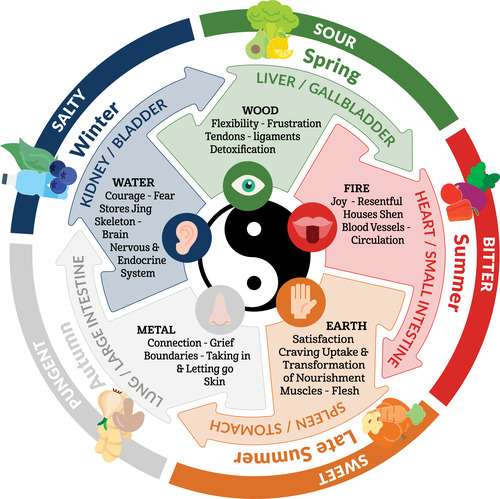
Western medicine is not familiar with climates such as wind and dampness affecting the body but TCM is a holistic medicine. It considers the human body and how it interacts with its environment as a whole. Diseases are attributed to an imbalance between the five different elements found in nature and in the body. 

In Taoism and Chinese Medicine our life force energy is made manifest in this particular body for this particular lifetime. We are no different to a tree or a blade of grass.  Same life force energy, just different collection of cells and therefore manifestation.  To promote flow and even flow of energy we can use this life force energy when working with the body.

The term ‘climate’ in traditional Chinese medicine (TCM), refers to internal and external agents that can cause disease.  Each of these climatic forces has a specific action on the body, depending upon their characteristics. Balance and harmony of these climates means good emotional and physical health. 

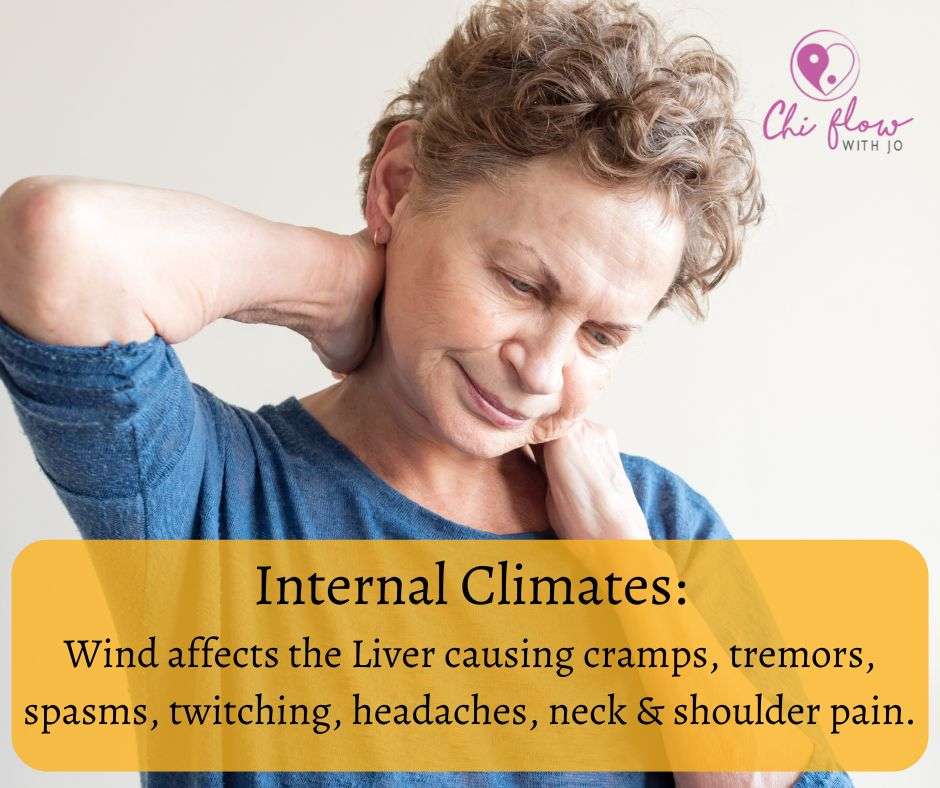
Wind affects the Liver often working with the other internal climates to invade the body, moving energy, pathogens and symptoms erratically causing tremors, spasms and twitching. 

Cold affects the Kidney creating contraction, obstructions and slow movement of Chi causing cramps and sharp pain. 

Heat affects the Heart causing erratic movement of Chi and often associated with inflammation, redness of skin, irritability and inability for the Shen/Spirit to settle. 

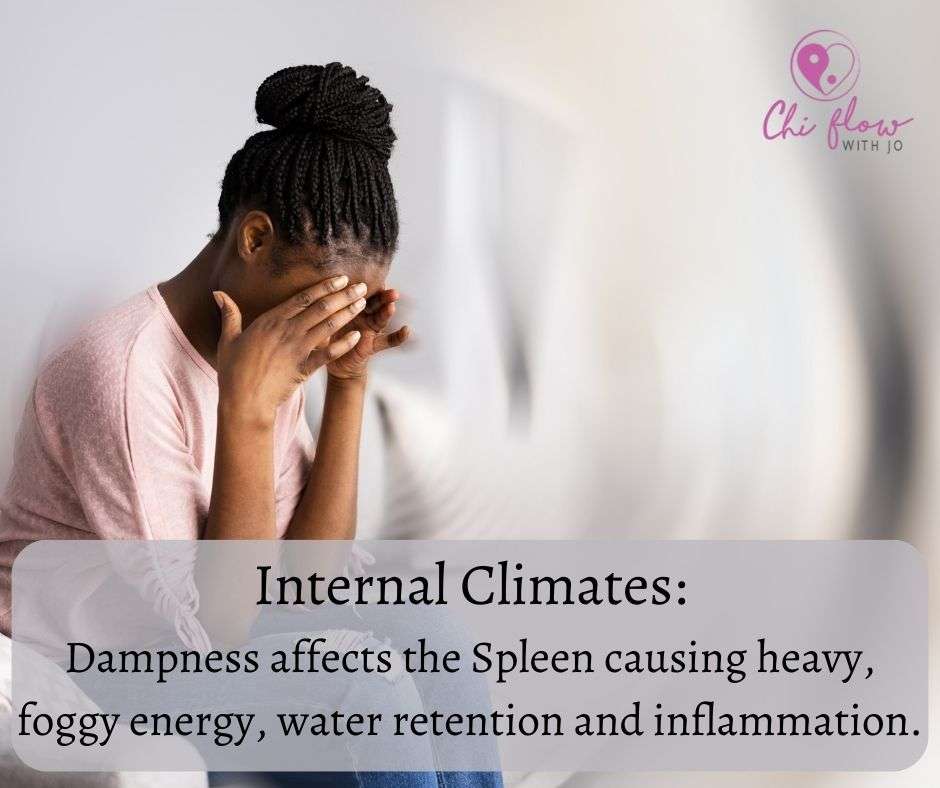
Dampness affects the Spleen causing heavy and foggy energy, generating sticky secretions and protracted, dense pain especially in the middle and lower burner, inability to transform and transport food into energy. 

Dryness affects the Lung causing dehydration and scant body fluids especially in the mucous membranes of the body including lungs, nasal cavities, digestive tract, skin, hair and nails.

Wind can bring great chaos to the body.  Symptoms come and go without warning.

If you have ever been out on a very windy day you will know it can be difficult to think straight.  Wind moves and shakes things that should be still. It produces change and acceleration in what otherwise should be steady and slow. 

With wind, things appear and disappear quickly. It causes tremors and spasms. You can’t control the muscles; the sinews contract leading to cramps and tightness and that can give you kind of vertigo. Any kind of dizziness and headaches and even a stiff neck are also included in the symptoms of wind. 

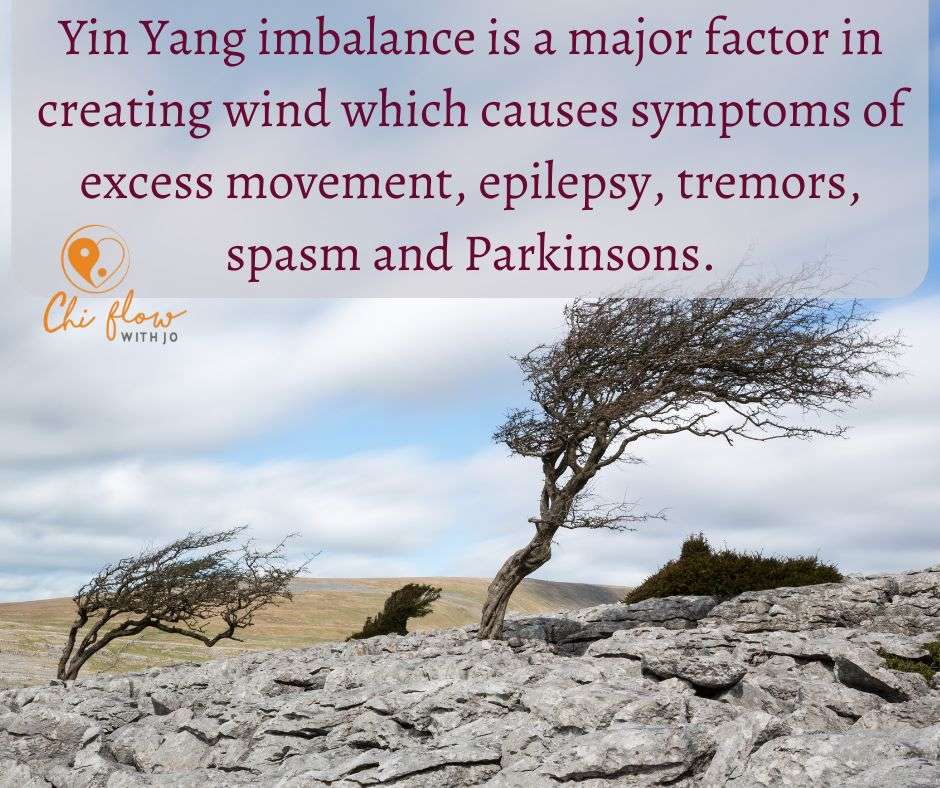
Wind is an exhilarating force.  It shows us how unpredictable and unstoppable nature can be.  You can’t trap wind in a box; it will have its flow and move where it wishes.  However, only when the Yin Yang balance is weak can this pernicious force enter and cause damage to the body.

In terms of Chinese Medicine we can translate this as a yin deficiency/weakness causes a rise in excess yang.

Yang is hot and active whereas Yin is cool and calm.  This imbalance is a major factor in creating internal wind which causes symptoms of excess movement, epilepsy, tremors, spasm and Parkinson’s.

So how can we calm this crazy demon wind?  Firstly by strengthening the YIN in the body.  Blood is a YIN FLUID nourishing, cooling and calming. 

In TCM we not only focus on the functions and cellular make up of blood but the very quality of blood itself which cool and nourishes all the organs.  

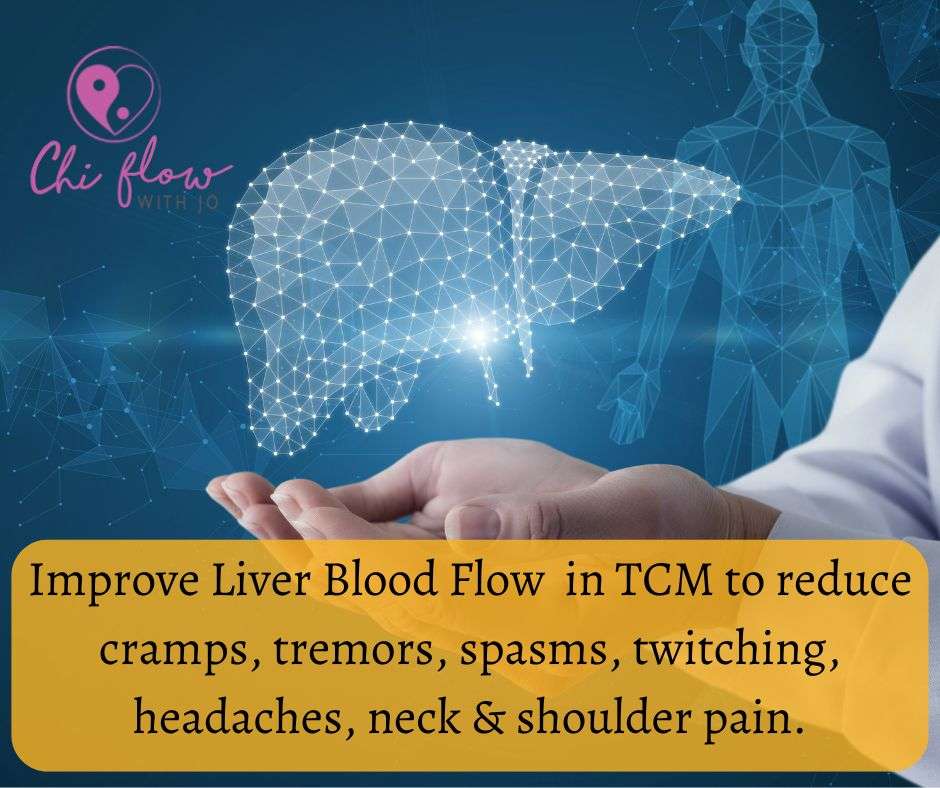
In Chinese Medicine the function of the Liver is to nourish, purify and stores the blood. It also enhances  Qi/chi(energy) which moves the blood smoothly around the body. 

THE LIVER

If the Liver is functioning properly, the blood will move around the body easily without obstruction, nourishing, cooling and calming.

However in our Western lifestyle it is very easy to overwork the Liver.

Too many saturated fats, chemical additives, alcohol, caffeine and stimulants make the Liver slow, leading to “stagnation” in the system and weakening of the blood causing symptoms of fatigue, headaches, problems concentrating, night terrors, spasms and tightness of the ligaments and tendons.

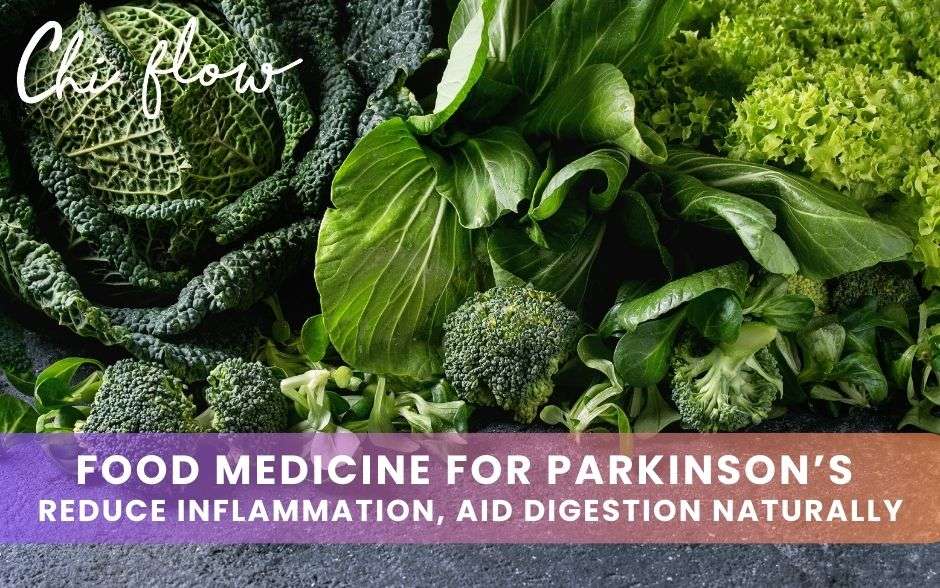
Here are some five element food medicine guides to follow and include in your diet.  Use the books to find recipes in which to use these ingredients on a daily basis:

LIVER BOOSTING FOODS

  • ☯️ Dark leafy greens including

  • ☯️ Nettles

  • ☯️ Spinach

  • ☯️ Kale

  • ☯️ Broccoli

  • ☯️ Sprouted seeds and legumes

  • ☯️ Good oils in seeds and nuts 

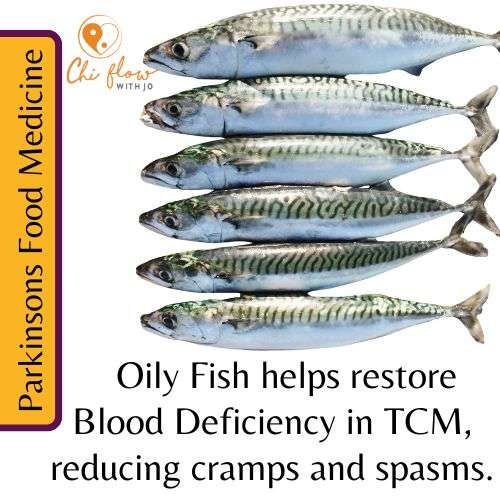
  • ☯️ Oily fish

  • ☯️ Aubergines

  • ☯️ Kimchi

  • ☯️ Fresh & raw food
  • ☯️ Lemon & limes
  • ☯️ Apple cider vinegar
  • ☯️ Plums & gooseberries
  • ☯️ Turmeric
  • ☯️ Avocado’s
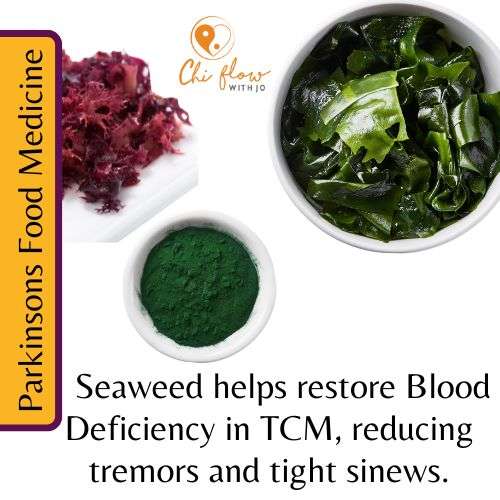
  • ☯️ Seaweed
  • ☯️ Umeboshi plum

For recipes showing you how to use these foods and the five element system, sign up for the FREE mini ebook below or take a look at the cook books.

Every day in Chi Flow with Jo you receive a recording of the Qi Gong class if you can’t make the LIVE plus a 5 element food recipe, acupressure point of Traditional Chinese Medicine Tip to set you up for the day.

FOODS TO AVOID

  • ☯️ Ice cream

  • ☯️ Heavy cream

  • ☯️ Cheese

  • ☯️ Fried food

  • ☯️ Saturated fats

  • ☯️ Alcohol

  • ☯️ Processed meats

  • ☯️ Ready meals

  • ☯️ Refined Carbohydrates

  • ☯️ Refined Sugars

Following the 5 element system, the nourishment of blood by the liver relies on kidney jing to nourish it 

When kidney jing is weak liver energy and the strength of the blood becomes weak. 

Read more in my next blog about how to use acupressure and Qi Gong to strengthen Kidney energy helping vital blood to flow and nourish organs, ligaments, muscles and tendons, relieving spasms, cramps, twitching, improving sleep and ease of the body.

I share an Acupressure point and a Qi Gong move to help you feel at ease in your body.  It’s important to not feel isolated and alone.  There are things you can do and a whole community in Chi Flow to support your Parkinsons journey.

Chi Flow with Jo uses natural and easy Qi Gong movements, acupoints and food medicine every weekday to nourish the blood, clear the liver and calm your nervous system.  Plus daily Q&A helps you to return to deep acceptance and ease with a community full of support.

Doors open the last few days of the month so that we begin the new moves together at the beginning of the new month.

HOW CAN QI GONG HELP REVITALISE YOUR LIFE?

If you’re eager to revitalise your daily routine and prioritise self-care for both your mind and body, consider exploring Qi Gong as a transformative practice.

Qi Gong is all about being well and loving yourself with gentle exercise, and the best part is that everyone can benefit from it.

Hope to see you in the Chi Flow.

Self-administered acupressure or Chinese Medicine is not a substitute for visits to qualified healthcare practitioners.

Knowing how to treat yourself and your loved ones with complimentary therapies like acupressure can be greatly beneficial and convenient. However, for serious and chronic conditions, you’ll want to visit an Shiatsu therapist / Acupuncturist or other qualified healthcare practitioner who can develop a treatment plan based on your unique medical history and combination of symptoms.  

The information provided should not be considered medical advice.