Building an Emotionally Healthy Heart

Building an Emotionally Healthy Heart

Building an Emotionally Healthy Heart: Tools for Connection and Resilience

In our fast-paced, often disconnected world, creating a healthy heart goes beyond physical well-being, it involves nurturing our emotional and spiritual energy. Cultivating emotional resilience, understanding our triggers, and fostering healthy relationships with others are all key components of heart health. In the Chi Flow with Jo Podcast, we dive deep into these concepts, discussing practical tools and transformative practices to build an emotionally healthy heart.

This blog explores the key challenges many face in creating emotionally healthy relationships, both with ourselves and others, and provides actionable solutions for moving forward.
1. Navigating Emotional Sensitivity with Resilience

Emotional sensitivity can be a gift, but it can also be overwhelming, especially when we absorb the emotions of those around us. Many people, particularly those who are highly empathetic, feel deeply, which can lead to emotional burnout if not managed properly. Without the right tools, this sensitivity can feel like a burden rather than a gift.

Solution:

The key to emotional resilience lies in developing practices that help you remain grounded, without shutting down or distancing yourself from the world around you. Practices like mindfulness, energy movement, such as Qi Gong, and emotional self-regulation are essential for building this resilience. These tools help you stay present to your feelings while avoiding being overwhelmed by them, allowing you to embrace your sensitivity as a strength rather than a vulnerability.  To learn more about staying emotionally resilient, listen to the full podcast, where Maya and I explore tools for staying open, grounded, and sensitive in a complex world.
2. Overcoming Childhood Beliefs and Trauma

Many women carry deep-rooted beliefs formed in childhood that continue to influence their adult lives. One such belief that many struggle with is the feeling of unworthiness, especially if their early experiences involved abuse or trauma. These beliefs often show up in relationships, causing defensiveness, self-doubt, and difficulty accepting love.

Solution:

A powerful tool for transforming limiting beliefs is The Work of Byron Katie, which involves questioning the assumptions we make about ourselves and others. This method is incredibly effective for reframing negative thought patterns and replacing them with empowering beliefs.

For instance, in my own personal journey, I carried beliefs formed from childhood sexual abuse that made me believe I was unsafe when I was visible or attractive. This belief stayed with me for years, influencing my relationships and self-worth. Through working with Maya and using tools like Byron Katie’s method, I was able to challenge this belief and transform it. 

This deep healing allowed me to step into my power and publish my book, Good Food, Better Sex a guide that not only explores physical health but also highlights the importance of healthy relationships with ourselves and others. If you’re struggling with deeply ingrained beliefs from the past, the upcoming mid monthly health talk, Maya will demonstrate a session which will offer insights on how to confront and heal them, making space for a more empowered and fulfilling life. 
Reflective Listening for Healthier Relationships

In our relationships, we often fall into the pattern of wanting to be heard before we truly listen. This is especially true when emotional triggers arise. However, when we rush to defend our point of view or assert that we are “right,” we miss the opportunity to connect and understand the other person’s perspective.

Solution:
One transformative tool for improving communication is Reflective Listening, which involves listening attentively to the other person’s point of view, reflecting it back, and showing empathy before sharing your own perspective. This method fosters a sense of safety, allowing both parties to feel heard and valued. Reflective listening not only improves relationships but also creates a deeper emotional bond built on trust and mutual respect.
4. Building Emotional Resilience in Community Living

Living in an intentional community presents unique challenges but also provides powerful opportunities for growth. Maya lives in a sustainable community in Portugal, where collective living requires constant emotional regulation and conflict resolution. Unlike the typical individualistic mindset, community living demands a deep commitment to listening, empathy, and understanding, especially when difficult situations arise.

Solution:

In Maya’s community, the tools for conflict resolution and emotional regulation include techniques like Nonviolent Communication (NVC) and social harmonizing, which foster open, honest dialogue without blame or defensiveness. These tools are designed to help individuals express their feelings and needs in a way that invites cooperation rather than conflict. By practicing vulnerability and accepting feedback, community members
5.  Transforming Reactive Patterns into Proactive Communication

In relationships, it’s easy to fall into a cycle of reactivity, where both people defend their position rather than listen and understand the other’s perspective. This often leads to unnecessary conflict and emotional disconnect.

Solution:

Imago Dialogue is a powerful method that encourages partners to listen actively and reflectively, fostering a deeper connection and resolving conflicts in a healthy way.

By focusing on curiosity and empathy rather than asserting our own needs first, we create space for mutual understanding and healing.

This process helps us move from a reactive state to a more proactive and compassionate way of communicating.
6. Living in Community: The Power of Connection

While emotional self-regulation and healthy communication are vital for an emotionally healthy heart, there’s also great value in living in community. Maya’s experience living in a sustainable community has shown her the power of collective healing and emotional support. In this type of environment, there are multiple opportunities for growth and self-discovery, as everyone’s personal challenges and triggers come to the forefront.

Solution:

For those seeking a deeper connection to others, living in community can provide a fast track to emotional growth. In Maya’s community, the focus is on self-responsibility, vulnerability, and creating safe spaces for honest communication. This kind of environment encourages individuals to step into their authenticity, accept feedback, and use conflict as a tool for personal and collective evolution.

🌕 Join Us This Month in Chi Flow with Jo

If you’re intrigued by the idea of intentional living and community building, listen to the full podcast where Maya shares her experiences and the challenges of living in a group setting. This conversation will inspire those looking for ways to build deeper connections and create resilient communities.

Creating an emotionally healthy heart requires a commitment to understanding and healing ourselves and our relationships. Whether you’re working on transforming limiting beliefs, improving communication with your partner, or learning how to live more harmoniously in a community, the tools shared in this blog can help you create stronger connections and greater emotional resilience.
Ready to transform your heart and relationships?

Watch Healthy Heart, Mind and Body with Maya Benharroch HERE.

You can also listen to the Chi Flow with Jo Podcast for more in-depth discussions on these practices.

💗 Ready to Join?

Click here to become a member of Chi Flow with Jo → CLICK HERE

Or drop in for a class and feel it for yourself (sign up below).


Join the Chi Flow with Jo community for live sessions, practice, and support on your journey.

Self-administered acupressure or Chinese Medicine is not a substitute for visits to qualified healthcare practitioners.

Knowing how to treat yourself and your loved ones with complimentary therapies like acupressure can be greatly beneficial and convenient. However, for serious and chronic conditions, you’ll want to visit an Shiatsu therapist / Acupuncturist or other qualified healthcare practitioner who can develop a treatment plan based on your unique medical history and combination of symptoms.  

The information provided should not be considered medical advice.
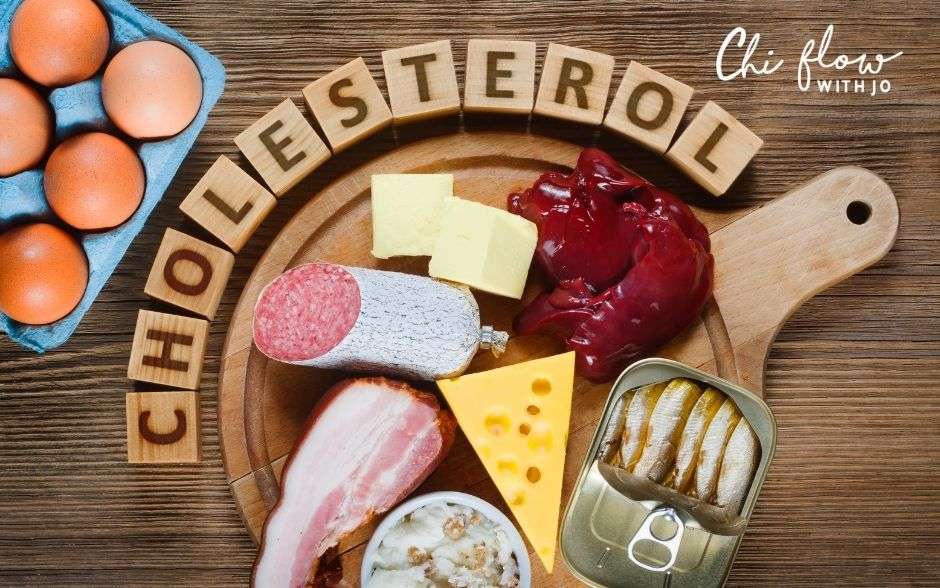
Lower Cholesterol Naturally with Chinese Medicine: Heart Health the TCM Way

Lower Cholesterol Naturally with Chinese Medicine: Heart Health the TCM Way

Welcome to Healthy Heart at Chi Flow with Jo

Within this blog, we’ll explore natural ways to support healthy cholesterol levels using:

  • An ancient acupressure point
  • A delicious, blood-moving TCM-based recipe
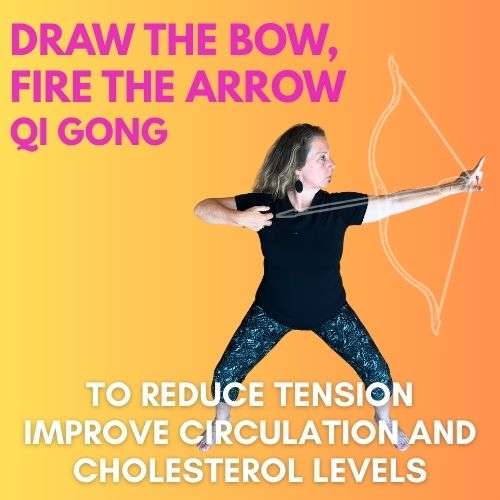
  • A flowing Qi Gong movement from the 8 Brocades that nurtures the Liver, Heart, and Lungs

This post is not intended to replace any medication you may be taking. Always consult your healthcare provider before making changes to your treatment plan. These tools are offered as complementary support for your well-being.

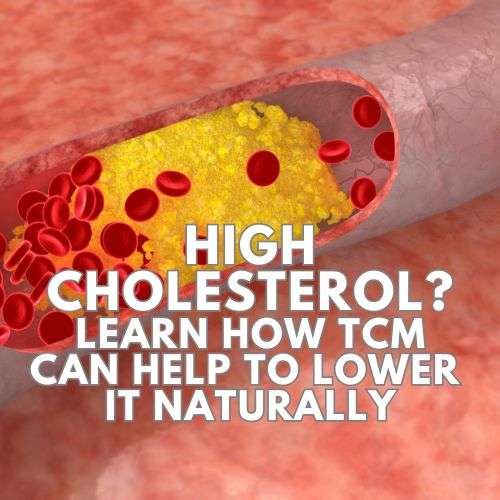
What Is High Cholesterol?

Cholesterol itself isn’t bad, it’s a vital component of cell membranes and is crucial in forming myelin, the protective sheath around your nerves that helps them send signals quickly.

But when levels become too high, particularly LDL (“bad”) cholesterol, it can start to build up in your arteries. This sticky buildup is called plaque. Over time, it hardens, narrows the blood vessels, and creates resistance just like a hose that’s become clogged.

The result? Increased risk of:

  • Heart disease
  • Stroke
  • High blood pressure

The real danger? You often don’t feel it happening. High cholesterol is typically silent but puts persistent strain on your cardiovascular system.

While statins are commonly prescribed, they’re not without side effects. That’s why many are looking to complementary approaches like Traditional Chinese Medicine (TCM) to support heart health.

How TCM Understands Cholesterol and Cardiovascular Imbalance

In TCM, we don’t use terms like “cholesterol.” Instead, we look at patterns of disharmony.  High cholesterol is often linked to:

  • Dampness and Phlegm accumulation
  • Spleen deficiency (which impairs digestion and fluid transformation)
  • Liver Qi stagnation
  • Blood Stasis

When the Spleen is weakened by rich food, overthinking, or stress, it fails to properly transform fluids, leading to the production of damp-phlegm. Phlegm is thickened mucus that can build up in the body. In Traditional Chinese Medicine, it can solidify into “accumulations”, denser masses of cells or fluids, including cysts and tumors, whether benign or malignant.

This phlegm obstructs the flow of Qi and Blood, creating conditions that TCM equates with atherosclerosis, hypertension, and hyperlipidemia.

And remember, in Chinese Medicine, the Heart is the Emperor. All organs are in service to it. So when phlegm or stagnation blocks the flow of Qi and Blood, the Heart suffers most.

Acupressure Point for Phlegm and Circulation: Stomach 40 (Fenglong)

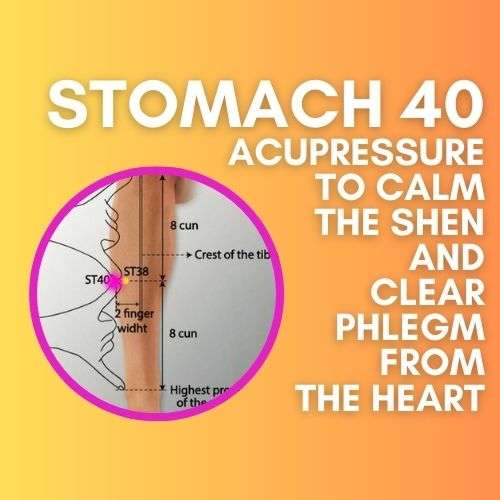
Let’s begin with a deeply cleansing point: Stomach 40, or Fenglong, meaning “Abundant Bulge.”

Stomach 40 is found on the front of the lower leg, about one thumb-width away from the sharp front edge of the shinbone (the tibia). It sits halfway between the top of the outer ankle bone and the knee. 

This is the empirical point for resolving phlegm in TCM

So whether it’s a foggy head, sinus congestion, or high cholesterol, Stomach 40 helps clear “invisible phlegm” the kind that clogs vessels, clouds the mind, and contributes to emotional and cardiovascular imbalance.

Try It:

  • Sit comfortably 
  • Press firmly on Stomach 40 for 1–2 minutes 
  • Breathe deeply 

Repeat daily, especially after meals or in the evening

🧪 A 2014 study on PubMed showed that stimulating ST40 significantly improved blood pressure and hemodynamics in patients with hypertension, due to its effect on autonomic regulation and blood viscosity.

In Chi Flow, we often focus on feeling the energy connection, like strings of light connecting your fingers to deeper systems. Trust your body’s knowing. Let your mind soften. The body has its own wisdom.

Food Medicine: Nourish the Liver to Move the Blood

In Chinese Medicine, the Liver ensures the smooth flow of Qi and Blood throughout the body. It also stores the Blood, which nourishes everything from your eyes, tendons, ligaments and most importantly your Heart.

When Liver Qi becomes stagnant, due to stress, anger, or rich, fatty foods, it creates internal heat and phlegm, leading to:  High cholesterol, Elevated blood pressure and Emotional tension.

To support the Liver:

🍋 Eat sour foods (like lemon) to move Qi 
🥬 Include green leafy veg to clear heat
🌾 Add whole grains to nourish the Spleen
🫒 Choose healthy oils and fats to lubricate without clogging

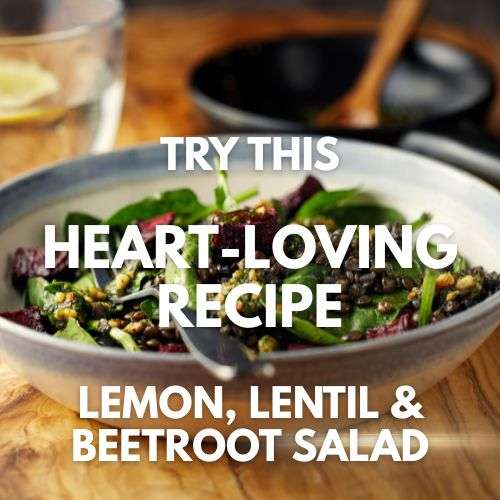
Warm Beetroot & Lemon Lentil Salad

Ingredients

  • 2 cooked beetroots, diced
  • 1 cup cooked green or brown lentils
  • Handful of rocket or watercress
  • Juice of 1 lemon
  • 1 tsp toasted and ground cumin seeds
  • 1 tbsp olive oil
  • Sea salt and black pepper

Method

  • Combine lentils, beetroot, and greens in a bowl
  • Whisk lemon juice, cumin, and olive oil into a dressing
  • Toss, season, and serve warm or room temp.

Why It Works : Beetroot boosts nitric oxide, relaxing blood vessels and improving circulation Lemon (sour) moves stagnant Liver Qi Lentils ground and support digestion Cumin aids digestion and dissolves phlegm.


This is food that opens the capillaries and calms the spirit. There’s more like this in my books and throughout September’s Healthy Heart Month!

A 2023 study showed that regular practice of Baduanjin (8 Brocades) significantly reduced cholesterol and blood pressure, especially in older adults.

How To:

  1. Stand with feet shoulder-width apart
  2. Soften the knees
  3. Inhale, cross both arms to chest height, forming gentle fists
  4. Exhale, extend one arm as if holding the arrow and the other draws the bow string
  5. Turn the head and gaze along the extended arm
  6. Inhale, return to center, crossing the arms over the chest
  7. Repeat on the other side

Do 6–8 rounds on each side, breathing slowly. This movement opens the chest, expands the ribs, and clears stagnation in the heart center.

In Chi Flow, we practice the 8 Brocades live on Fridays and you’ll find class recordings in library—so you’re never alone on your journey.

Join Me for Healthy Heart Month this September

Try the free class on the last weekday of the month (sign up below)

For more support, recipes, and live sessions, head to www.joannefaulkner.ie
And remember: this is not a replacement for medical care, but a beautiful compliment to your healing path.

Your heart is listening. Let’s care for it deeply.

Hope to see you in the Chi Flow!

Self-administered acupressure or Chinese Medicine is not a substitute for visits to qualified healthcare practitioners.

Knowing how to treat yourself and your loved ones with complimentary therapies like acupressure can be greatly beneficial and convenient. However, for serious and chronic conditions, you’ll want to visit an Shiatsu therapist / Acupuncturist or other qualified healthcare practitioner who can develop a treatment plan based on your unique medical history and combination of symptoms.  

The information provided should not be considered medical advice.
 Joanne Faulkner is a Qi Gong teacher – Chi Flow with Jo – teaching live daily online Qi Gong classes to hundreds of people; a Shiatsu practitioner specializing in the energy of food in Traditional Chinese Medicine and a published Author. Her residential and day Wellness Retreats focus on Chi Gong, self-Shiatsu & Conscious Cooking Demonstrations, and are extremely popular.

Until recently, Joanne was the Irish representative to the European Shiatsu Federation and is the former Chairperson of the Shiatsu Society Ireland.

 “Good Food: Better Sex” and “Shiatsu & the Art of Conscious Cooking” , both written and published by Joanne, are modern cookbooks full of delicious recipes, Traditional Chinese Medicine plus acupressure points for health and wellbeing.

INTERACTIVE

APP NOW LIVE!

Answer 2 questions to see what foods suit you today

COMPANION TO
“SHIATSU & THE ART OF
CONSCIOUS COOKING”
COOK BOOK

BUY THE BOOK!

Embrace the Summer with a Healthy Heart: A Journey through Qi Gong, Food Medicine, and Acupressure

Embrace the Summer with a Healthy Heart: A Journey through Qi Gong, Food Medicine, and Acupressure

Embrace the Summer with a Healthy Heart: A Journey through Qi Gong, Food Medicine, and Acupressure

Today, we’re diving deep into the heart of summer – quite literally – as we explore the Heart in Traditional Chinese Medicine (TCM).

In TCM, each organ is associated with a specific season, and high summer is the season of the Heart. This time of year is bursting with vibrant energy – flowers blooming, bees buzzing, and the world alive with activity. Let’s explore how we can harness this energy to nurture our hearts.

The Heart in Traditional Chinese Medicine

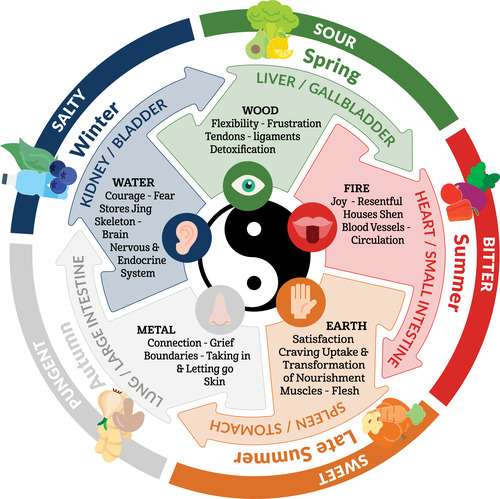
In TCM, the Heart reaches its peak activity from 11 AM to 1 PM, the busiest and most active time of the day. The Heart’s flavour is bitter, its sense organ is the tongue, and its emotion is joy. Right now, take a moment to focus on the centre of your chest, think of someone you love, and feel this area soften and glow.

Humming and singing, using the tongue, can quickly connect you to the joy of the heart, while negative speech can harden it. How we use our tongue significantly impacts our emotional and physical health. Use your tongue wisely, bless your food, give thanks for things throughout your day and let joyful energy flow through your heart.

Learn to use Mantra in my previous blog

The Element of Fire

Each organ in TCM is also associated with an element.

The Heart belongs to fire, an element with many faces – from the wild, destructive forest fire to the comforting glow of a hearth or the serene flame of a candle. All types of fire share the power of transformation, and this is the energy we want to cultivate in our hearts – a gentle, transformative flame.

Fire symbolizes constant movement and transformation, embodying yang energy.

While unchecked fire can be destructive, within boundaries, it illuminates, warms, and brings clarity.

Fire is the element of the organ.  Our hearts are like an internal flame, often called the “emperor of the body,” with all other organs in service to it.

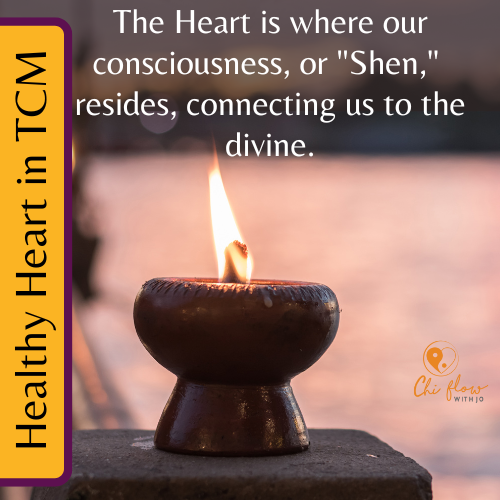
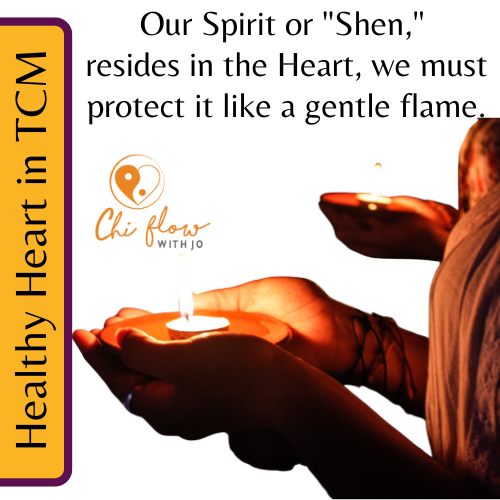
The Heart is where our consciousness, or “Shen,” resides, connecting us to the divine, whatever that might be for us, a sleeping baby, singing prayers together in community or taking a walk on the beach.  To enjoy life (In-Joy) life is to be connected to the divine and nourishes Heart Health.

The Universal Symbolism of Flame

The flame is a powerful symbol across many cultures and religions, representing transformation, enlightenment, and the divine. In Christianity, the Holy Spirit is depicted as a flame, symbolising divine presence and inspiration. In Hinduism, the sacred fire “Agni” represents purification and the connection between the earthly and the divine. 

In Buddhism, the flame is a metaphor for spiritual awakening and the illumination of wisdom. The ancient Greeks revered the hearth goddess Hestia, whose eternal flame represented home and family unity.

Across these diverse traditions, the flame signifies the profound interplay between destruction and creation, a source of warmth, guidance, and spiritual insight.  (read more in a previous blog)

Nurturing Your Heart

To ensure our heart burns brightly without raging out of control, we must provide a safe container for it – a home.

In TCM, the blood is the Heart’s home. Keeping our blood vibrant and healthy is key.

Foods for a Healthy Heart

The taste for the Heart is bitter. Bitter greens like chicory, watercress, dandelion leaves, and rocket nourish the Heart and help the Liver detoxify the blood.

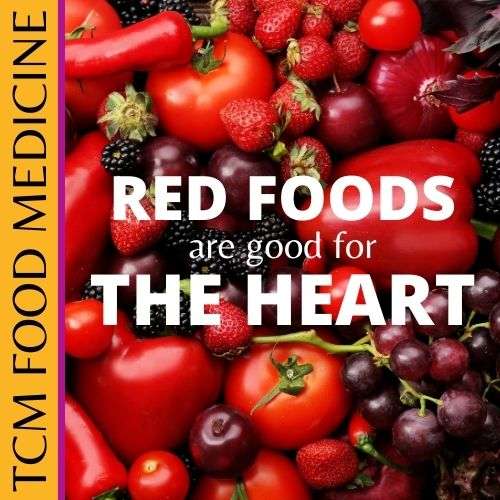
Red foods are also fantastic for the Heart, containing antioxidants like anthocyanins and bioactive polyphenols that ensure smooth blood flow, reduce stress, and lower blood pressure.

Incorporate red peppers, beetroot, cherries, strawberries, raspberries, Chinese red dates, goji berries, watermelon, rosehips, and pomegranates into your diet.

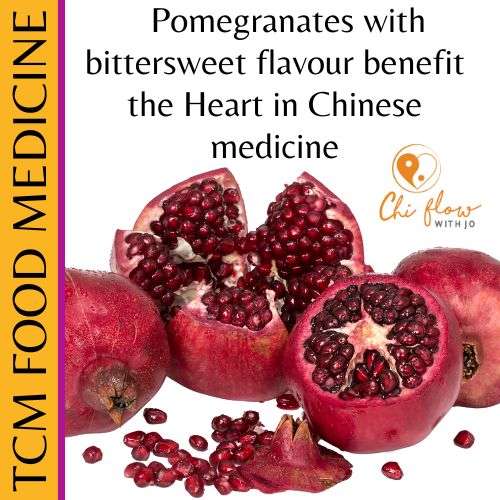
Pomegranates, with their bittersweet flavor and abundant seeds, are perfect for heart health. Try sprinkling pomegranate seeds on a salad with bitter greens and crumbled feta for a delicious, heart-healthy meal.

For more recipes, check out my cookbooks at joannefaulkner.ie/cook-books.

Qi Gong for the Heart

Qi Gong, a moving meditation, helps us gain perspective on our emotions and the world around us. It’s a fantastic tool for maintaining a balanced and peaceful Heart. (scroll down for the free class)

Let’s try a simple Qi Gong move together.

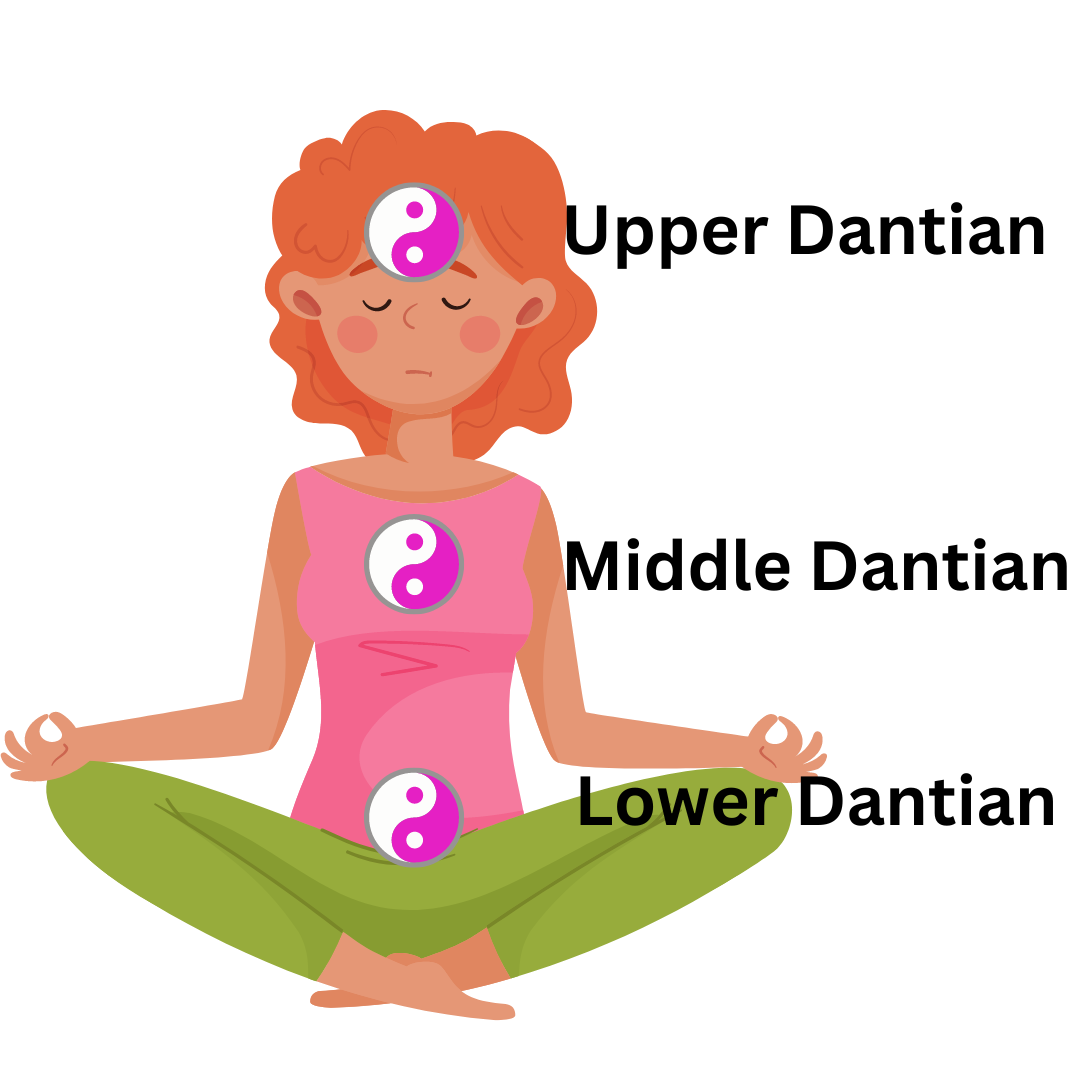
You can do this sitting or standing with your feet shoulder-width apart and knees slightly bent. Place your hands on your heart/Middle Dan tien and take a deep breath in. 

As you inhale, slowly extend your arms out to the sides, palms facing up, as if opening your heart to the world. Exhale, bringing your hands back to cover your heart/middle Dan tien.

Repeat this exercise nine times and feel calmness in your heart and perspective with your problems.

Finally, bring the energy and your hands down to the lower Dantien, just below and behind the belly button. This movement symbolises opening up and receiving energy while staying grounded and centred.

Balancing Your Shen

Remember, your emotions can either fan your inner flame into an inferno or cause it to dwindle. Keeping your “Shen” balanced means not letting external factors control our joy or sadness. By nurturing our Heart, we can drop our emotional armour and connect more deeply with ourselves and others.

Remember, your emotions can either fan your inner flame into an inferno or cause it to dwindle.

Keeping your “Shen” balanced means not letting external factors control our joy or sadness.

By nurturing our Heart, we can drop our emotional armour and connect more deeply with ourselves and others.

Sun Simiao, a great Chinese medicine practitioner, said

“In your heart, there is love; don’t love too deeply. In your heart, there is hate; don’t hate too deeply, because too much of any of these will attack the Shen.”

Our spirit is a unique treasure that must be protected like a flame, not allowed to burn out or blaze uncontrollably.

Moderation and Inner Balance

Before and after my morning meditation (at which you are welcome to join me, simply sign up for the free class below, I dedicate my practice by reciting, “May I be free from passion, aggression, and prejudice.”

While we understand avoiding aggression and prejudice, passion must also be moderated. Too much passion, even for a noble cause, can lead to imbalance. Don’t let your passion and heart fire overwhelm you; maintain touch with softness, humour, and compassion.

Conclusion

To wrap up, remember to nourish your Heart with bitter greens and vibrant red foods. Practise gentle, heart-opening Qi Gong moves to keep your “Shen”/Spirit noursihed and balanced. Approach your emotions with perspective and moderation, allowing your inner flame to glow steadily and warmly.

Stay connected with your heart, and let it shine with joy and compassion.

For more tips, recipes, and Qi Gong practices, sign up for a free Qi Gong class below.  August will focus on Healthy Heart Practices with Qi Gong, Acupressure and Food Medicine.

Until next time, keep your heart open and your spirit bright!

Self-administered acupressure or Chinese Medicine is not a substitute for visits to qualified healthcare practitioners.

Knowing how to treat yourself and your loved ones with complimentary therapies like acupressure can be greatly beneficial and convenient. However, for serious and chronic conditions, you’ll want to visit an Shiatsu therapist / Acupuncturist or other qualified healthcare practitioner who can develop a treatment plan based on your unique medical history and combination of symptoms.  

The information provided should not be considered medical advice.
Early Summer, the time of the Heart

Early Summer, the time of the Heart

, For the month of June, Im all about the Heart.  Chi Flow with Jo will focus on Qi Gong, Acupressure and Food Medicine for a Healthy Heart.  At the end of the month there’s even an In-person Healthy Heart Retreat day in Dublin, the first for over 2 years!!

In Chinese medicine, the time of year for the organ system of the Heart is high summer,  Flowers are opening and bees are buzzing.  There’s plenty of activity.  The flavour is bitter, the sense organ is the tongue, the emotion is joy and flipped it becomes bitterness and resentment.  It’s time of day is 11am-1pm when we are at our most active. The colour is red and the element is fire.

There are many types of fire; a dangerous out of control forest fire which consumes all in its path. The hypnotic comfort of an open hearth or the spiritual connotation of the single flame of a candle. But they have however a common property and that is transformation.  This is the energy of the heart and its cultivation of gentle containment is what we hope to give you a taste of over this coming month.

A flame is never still; it is constantly using oxygen and changing the object that it is burning. This constant action is yang.

Out of control, yang can be destructive but when contained within boundaries, firelight illuminates and brings clarity.  Its energy is safe and warming. It is a place where traditionally, we gather and connect with others for sustenance and community.

The heart, the internal flame within the body, is protected by all the other organs. It is described as  “the emperor of the body” to which all the other organs are in service. So how do we nurture it and make sure that the flame burns brightly, shinning out through the eyes and complexion and yet doesn’t rage out of control, overheating the body, constantly on the move, causing inflammation, anxiety, panic, high blood pressure, excessive sweating, insomnia, shortness of breath. Metaphorically, we build the heart a home, we give it a safe container to be housed in. The blood is the Hearts home.

Great food for bringing vibrancy to heart blood would include bitter green leaves such as chicory, watercress, dandelion leaves and rocket.

Red foods benefit the heart. It is the antioxidant anthocyanins, that give foods their red and deep purple colour, which together with bioactive polyphenols, help detoxify the blood ensuring easy distribution.

Good circulation and easy flow of blood are essential at times of high stress to prevent a rise in blood pressure. Good blood flow makes sure all your organs, tissues and muscles are oxygenated reducing inflammation and heat, especially for the Heart circulatory system.

So increase your intake of red peppers, beetroot, cherries, strawberries, raspberries, Chinese red dates, goji berries, watermelon, rosehips and pomegranates.

In the Middle East, pomegranates have long been associated with fertility probably because of their abundance of seeds. They have a bitter-sweet flavour and with their red juicy berries, fall under the realm of heart and heart protector in Chinese Medicine. Try sprinkling them on a bitter green salad, using the leaves above.  They provide a juicy burst of flavour when mixed with crumbled feta on a greek salad for fantastic summer food medicine. Find more recipes in my books https://joannefaulkner.ie/food-medicine-cookbooks/

Physically it is the hearts function in Chinese medicine is to give vibrancy and life to blood.  Emotionally and spiritually, it is in the blood that gives the flame of our spirit, the “shen” as it is described in Chinese Medicine.  The imagery of the Holy spirit is often depicted as a flame around the world.

The Heart system is said to be where our consciousness resides.  Which is why we can find it hard to settle, difficult to sleep, feel anxious and panic if the “Shen”, the spirit has no home, no place to settle.

By making sure the blood is healthy, that it is full of nutrients and that it flows evenly throughout the body means that we can experience more joy, harmony and peace.  To enable this we need the elements of healthy eating, healthy movement and healthy thinking.

Sun Simiao,  in “The one Thousand Ducat Prescription Book” quoted in the “Five elements and Ten Stems”  states – “In your heart there is love, don’t love too deeply. In your Heart there is hate, don’t hate too deeply, because too much of any of these will attack the Shen” *1

Our spirit or “Shen” is a “unique treasure … present in us all”*2. It must be protected like a flame, not fanned to an inferno by emotions or allowed to dwindle due to poor care and attention.

By making sure the blood is healthy, that it is full of nutrients and that it flows evenly throughout the body means that we can experience more joy, harmony and peace.  To enable this we need the elements of healthy eating, healthy movement and healthy thinking.

YouTube player

The moving meditation of Qi Gong is a great tool for allowing distance and perspective on people, places and things.  All of which can bring emotions such as happiness love and joy as well as grief, pain, anger, as well as . We need some distance from all of these emotions if we are not to be swept away from our own sweet spirit that dwells within us.

If we make external factors of people, places or things to be the cause of BOTH our happiness or sadness then they have power over us. However if we have perspective and don’t take things personally, literally by taking them to heart, then every person, place or thing can hold within it the possibility for our heart to expand with love and compassion.

Strengthening the heart physically, emotionally and spiritually means we can we drop the armour of protection and become at ease with ourselves, grounded in reality, in touch with the amazing potential of life.

Join us for the Day Retreat – DISCOVER YOU, DISCOVER LOVE

Where we will fall in love with your food, your body and reconnect your spirit

Held in the Chapel of Ease, Irishtown, Dublin this will be a complete experience of Chinese Medicine including:

  • ☯️ Qi Gong Energy Exercise Session – increasing blood flow, flexibility
  • ☯️ Food Medicine Demo & Tasting for a healthy heart
  • ☯️ Self Shiatsu Instruction for major points on the body for anxiety, insomnia
  • ☯️ Meditation, Mantra & Sound Bath to calm and restore your soul

Bone Health and Balance with
Thérèse Cosgrove

As the year folds into its quietest season, the energy of Bone Health rises to the surface.

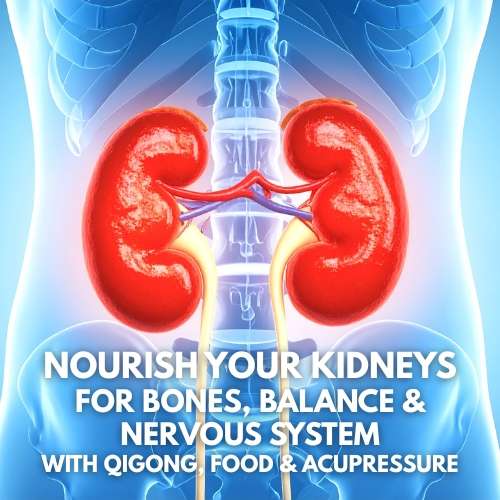
In Traditional Chinese Medicine, winter and the kidneys are linked to our bones, balance, and nervous system.

This is the perfect time to nourish our structure and inner stillness — and that’s exactly what this month’s Energy Update explores with Thérèse Cosgrove, homeopath, nutritional therapist, and Feldenkrais practitioner.

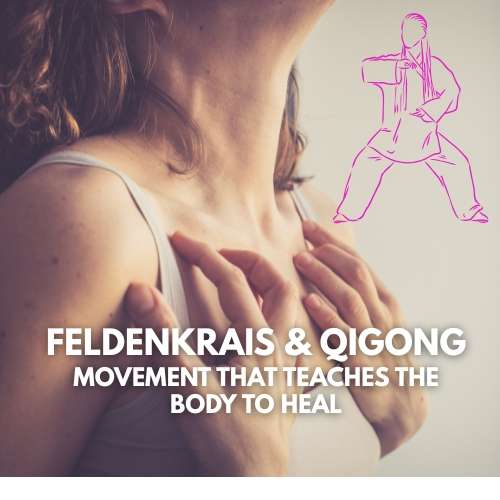
Listening to the Body through Movement

Thérèse describes Feldenkrais as a way of using small, subtle movements to awaken the nervous system’s awareness. Through this awareness, we uncover patterns of tension and rediscover new, more efficient ways of moving.

“Rather than me telling you how to move,” she says, “your nervous system is intelligent enough to find the best way itself.”

These gentle explorations improve skeletal alignment, balance, and joint integrity, helping us move with ease and confidence — vital for bone health, especially in menopause, post-menopause, and chronic conditions such as Parkinson’s.

Even the pauses between movements matter:

“That’s when the nervous system learns and integrates — the same way we rest between breaths.”

When the brain stops bracing and begins organising the skeleton more efficiently, three bone-loving things happen:

Better load through bone: Bones remodel when they’re loaded. Efficient alignment means forces travel through the skeleton (not just muscles), stimulating bone.

Joint integrity & balance: Micro-adjustments reduce “overwork” in hips, knees, spine and shoulder girdle, improving confidence and decreasing fear of falling.

Down-regulated pain: When the nervous system feels safe, pain signals calm and movement becomes possible again — the virtuous cycle for recovery.

Feldenkrais is exploration, not achievement. Curiosity and playfulness are the fastest way to teach your bones and brain new options.

Yin, Stillness, and the Bone Season

As Joanne points out, the yin energy of winter invites quietness and grounding.

Just as the earth rests before spring, we too can pause, aligning our bones, slowing our breath, and reconnecting to what truly supports us.

Yet, in the rush toward Christmas, that stillness is often lost. Feldenkrais offers a way back into the body, a return to inner listening and calm.

Use the space between Christmas and New Year to be still of mind and quiet movements of body.

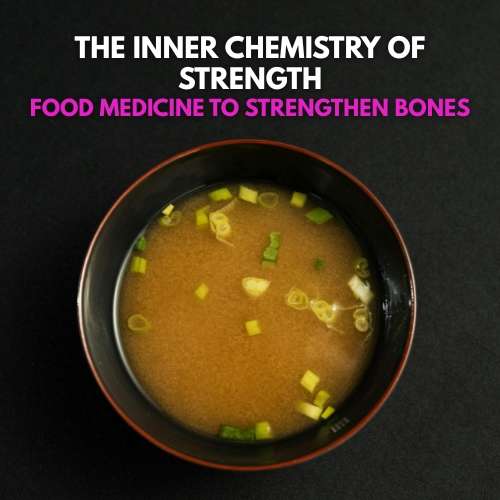
The Inner Chemistry of Strength

In her homeopathic and nutritional work, Thérèse looks at bone density not just as a matter of calcium, but of hormonal balance, mineral status, and heavy-metal detoxification.

Using gentle testing and homeopathic supports, she tailors treatment to each person:

“We might look at supporting estrogen, the parathyroid, or trace minerals like boron, all essential for strong, flexible bones.”

Joanne draws the parallel in Chinese Medicine: seaweeds in small amounts can help clear heavy metals and nourish the kidneys — though, as she reminds us, not everyone should take them.

What matters most is listening to your own body and finding what nourishes your unique system.

In Traditional Chinese Medicine, winter belongs to the Kidney system, which governs bones, marrow, ears (balance/vestibular), and the nervous system. Practical Kidney-nourishing ideas:

Flavours & foods: the salty flavour in moderation supports Kidney, think miso, mineral broths, black sesame, adzuki/black beans, and small amounts of seaweeds if appropriate.
Caveat: Seaweeds are iodine-rich; avoid or use cautiously if you have thyroid issues or are on certain meds.

Gentle, consistent practice: slow standing, breath-led spirals, and ankle-calf work “pump” fluids and stabilise balance, perfect winter medicine.

Stillness as medicine: quiet, warm, early nights rebuild Yin (think lubrication and reserves), the foundation for hormone balance post-menopause.

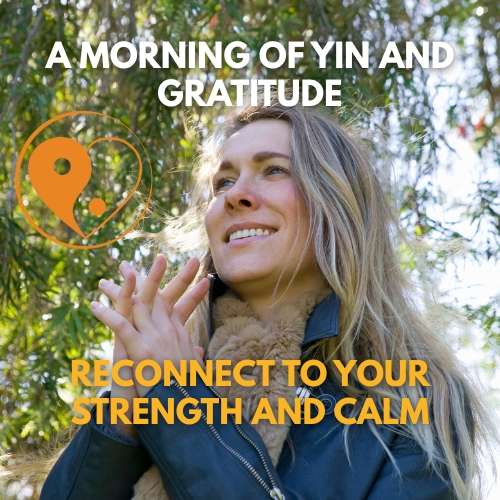
A Morning of Yin and Gratitude

When asked how she begins her day, Thérèse shares a simple ritual that reflects the essence of Chi Flow:

Hydrate with structured, living water to awaken the body. “Structured water”: what we mean (and what to do about it) Thérèse will expand on this in her Mid-Monthly Health Talk, but here’s the practical, controversy-free middle ground: Structured Water inside the body doesn’t behave like plain tap water. Near proteins, fascia, and cell membranes it forms ordered layers that help signaling and flow.

Step outside into morning light, facing east to reset circadian rhythm and hormones. Move gently, perhaps Chi Flow with Jo, Feldenkrais, or a mindful walk. Gentle vibration & movement (walking, bouncing, fascia spirals) appear to improve fluid distribution in connective tissue, exactly what we do in Chi Flow.

“These practices really helped me through difficult times,” she says. “My morning Chi Flow with Jo was one of the things that carried me.”

For Parkinson’s & chronic conditions

Hydration and gentle nervous-system work are especially helpful when autonomic regulation or muscle stiffness makes dehydration and bracing more likely. Short, frequent “micro-moves,” mineral-aware hydration, and morning light can noticeably improve steadiness and energy without fatigue.

WATCH THE PODCAST

In the full podcast, learn more about sound healing and how it affects our hormonal balance below: 

👉 Join Chi Flow with Jo to access:

  • Daily live morning classes (with replays)
  • Seasonal recipes & self-acupressure
  • This month’s Mid-Monthly Health Talk with Thérèse Cosgrove — free for members

Start here: Join Chi Flow with Jo — Build strength, balance, and deep yin this winter.

💗 Ready to Join?

Click here to become a member of Chi Flow with Jo → CLICK HERE

Or drop in for a class and feel it for yourself (sign up below).


Join the Chi Flow with Jo community for live sessions, practice, and support on your journey to an emotionally healthy heart and attend Caroline’s live talk and sound bath for FREE.
To work with Caroline click HERE

Self-administered acupressure or Chinese Medicine is not a substitute for visits to qualified healthcare practitioners.

Knowing how to treat yourself and your loved ones with complimentary therapies like acupressure can be greatly beneficial and convenient. However, for serious and chronic conditions, you’ll want to visit an Shiatsu therapist / Acupuncturist or other qualified healthcare practitioner who can develop a treatment plan based on your unique medical history and combination of symptoms.

The information provided should not be considered medical advice.