Stop Sweet Cravings
stop sweet cravings
A common issue many of us face is how to stop sweet cravings. We’ll explore how the 5 Element System of TCM can help address these cravings and share some Food medicine, Acupressure and Qi Gong to support your journey.
If you’re here, it’s likely because you’re tired of incessant sweet cravings that interfere with your weight goals and lead to energy highs and lows. Ultimately, what you’re seeking is freedom—freedom from the cycle of cravings and the need for constant satisfaction through sweets. While chocolate is delightful, it won’t love you back or provide lasting comfort and satisfaction.
Understanding Sweet Cravings Through the 5 Element System
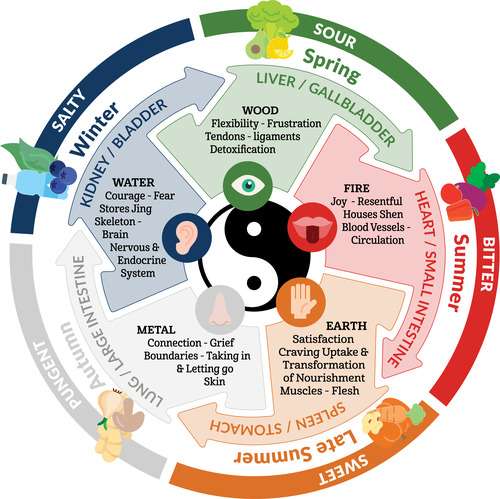
The 5 Element System in TCM divides everything into five elements: Wood, Fire, Earth, Metal, and Water. Each element corresponds to different aspects of our body, organs, and emotions. Today, we’ll focus on the Earth element, which is associated with the stomach and spleen, and is responsible for our sweet cravings.
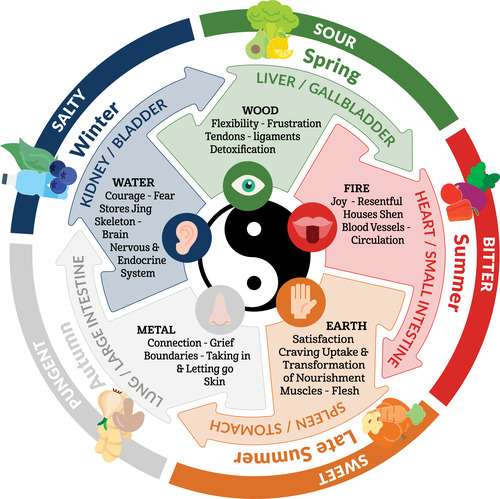
The Earth element, governing the stomach and spleen, is deeply connected to our need for comfort and satisfaction. In TCM, the spleen encompasses the duodenum, pancreas, and parts of the digestive system. This element is crucial for digesting food and regulating blood sugar levels, directly tying to our cravings for sweet flavours.
A weakened spleen and stomach will increase our cravings and need for comfort, which is easiest satisfied through food. So, let’s look at how we can use food to strengthen our spleen and stomach, not weaken them. This will be the focus for the whole month of September in Chi Flow with Jo, so make sure to sign up for your free Qi Gong class below where I will be demonstrating specific spleen and stomach exercises, as well as sharing acupressure and food medicine.
The Season of Earth and Its Significance
The season of Earth is late summer is the time of the harvest that occurs between the height of summer and the beginning of autumn. In Irish lore, we call it Lughnasadh, a time to give thanks to the spirits and deities for the beginning of the harvest season and to propitiate them with offerings and prayers to protect the still-ripening crops.
We have put in the hard work of sowing seeds in the spring and cultivating them throughout the summer.
Now is the time to begin harvesting the abundance we have created. It is a time to appreciate the ripe fruit of berries, peaches, plums; the delicious ripe sweetness of the year. We have time to appreciate our bounty from the seeds that we had sown.
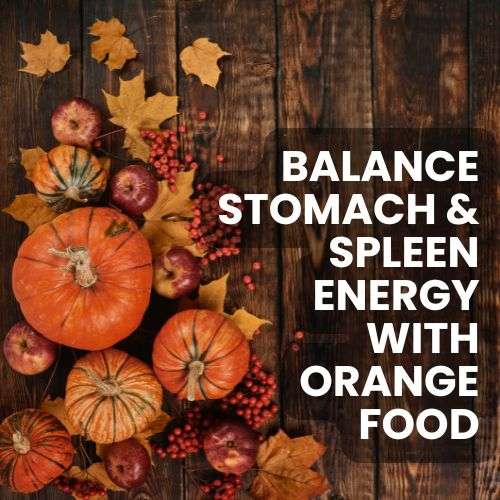
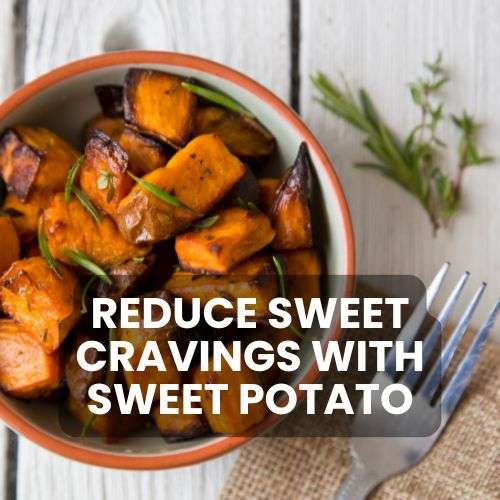
The colour associated with this element and time of year in Chinese Medicine is orange, and its flavour is sweet. Think of comforting, orange-coloured foods like sweet potatoes, pumpkins, carrots, brown rice, quinoa, and millet. These foods can help balance your spleen and stomach energy, providing natural sweetness that satisfies your body’s needs.
Choosing Sweet Potatoes Over Chocolate
When you’ve had a baby or feel constantly put upon by the world, your stomach and spleen organs can become depleted. In those moments, it’s easy to reach for a quick fix like chocolate, but let me share why sweet potatoes might be a better choice.
After I had my twins, I reached 14 stone, and it wasn’t just baby weight—it was tubs of ice cream and chocolate bars.
My daily walks included a morning Magnum fix, and at night, chocolate was my comfort. Those sweet treats were my escape, my little pockets of joy in an exhausting day.
However, these quick energy surges weren’t providing any lasting satisfaction. Instead, I felt fat, stodgy, lethargic, pale, sore, and at my most unsexy ever. It’s the Catch-22 of sugar: we feel tired and unloved, so we reach for sweets to feel better, but the sugar only makes us feel worse—more tired, more lethargic, and even less lovable. This cycle can continue for years, depleting our stomach and spleen energy, which increases the risk of diabetes, anaemia, pelvic floor prolapse, haemorrhoids, weak bladder, sagging skin, arterial damage, and easy bruising.
Sweet potatoes, on the other hand, are a wonderful alternative. They are naturally sweet and packed with nutrients that nourish and support the stomach and spleen, helping to break the cycle of sugar dependency. Incorporating sweet potatoes into your diet can provide the comfort and satisfaction you’re seeking without the negative effects of refined sugar.
Listening to Your Body’s Signals
To truly understand and manage your sweet cravings, it’s essential to listen to your body and recognize its signals. Just as you ask a friend how they are feeling, ask yourself, “How am I feeling?” Be honest and use this awareness to understand and address your needs. This practice is not about demonising sweets or chocolate but about understanding why you crave them and finding healthier ways to fulfil those needs.
The Emotional Aspect of the Stomach and Spleen
In TCM, the stomach and spleen are related to the way we process thoughts and emotions. When we constantly worry or overthink, it depletes our spleen energy, leading to cravings for quick fixes like sweets. This is why self-care and gentle Qi Gong exercises are so vital. You have to take care of yourself, just like a mother nurtures her child.
If you’re constantly giving without taking time for yourself, your sple7 8en energy will deplete, leading to those sweet cravings. Self-care practices, like Qi Gong, massage, or acupressure, can help replenish this energy.
For instance, massaging the area from your knees to your feet, focusing on the spleen meridian, from points 1 through to 9 can be incredibly beneficial.
Touch and the Sensory Organ of the Lips
The spleen and stomach govern the area of satisfaction and comfort. Their energy spreads from the flesh tone of the body to the succulent lips and mouth. I
t’s earthy and lustful. Think of peaches, blackcurrants, and plums with the sweet flesh dripping, how we have to suck and slurp, licking our fingers just to stop all the nectar from dripping down to our elbows.
When in balance, it’s juicy and flowing but out of balance, its energy is a deep insatiable hunger. When uncomfortable feelings arise, we want to be reassured and pacified, as a mother would her baby. Sometimes instead of allowing a feeling to pass or examining why we feel uncomfortable, we go looking for any nipple that can relieve our anxiety and comfort us; smoking, drinking, eating, and kissing all involve the sensory organ of the lips. Restless and dissatisfied, we can begin craving and set up a vicious cycle that can lead to addiction, whether that be to sugar, sex, alcohol, or tobacco.
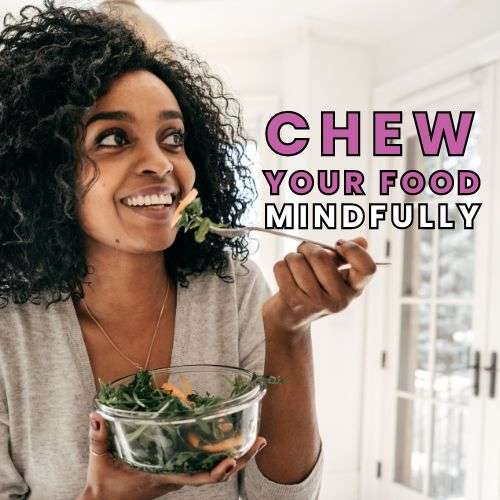
The five element system of Chinese Medicine tells us that the Spleen & Stomach govern the sensory organ of the lips. Chewing your food, mindfully using your mouth, helps to break it down plus it releases saliva which convert the carbs into sugars in your mouth, helping to stop the sweet cravings.
Nourishment Beyond Food
Many addictions have an emotional core, and while food is very helpful for giving us energy and life, it cannot love us. Food and drink have the potential to support us, but they cannot meet our emotional needs—only we have that responsibility. We can employ food to nourish or punish our bodies.
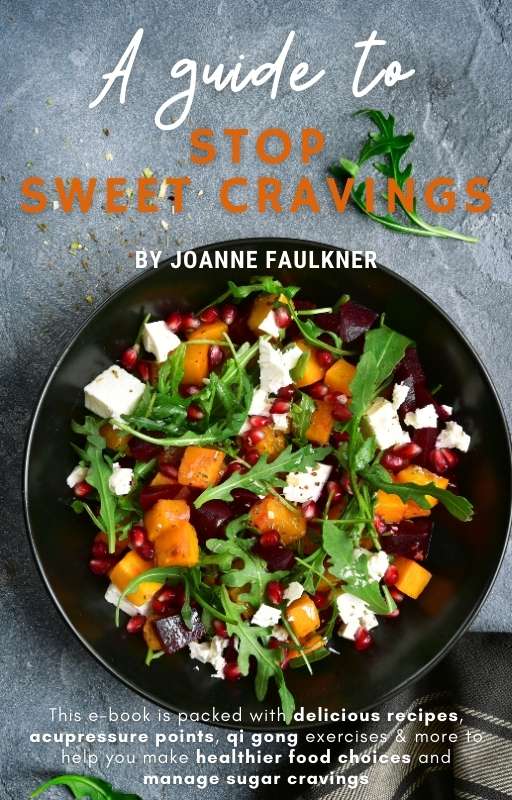
In my books, especially my all-new ebook “A Guide to Stop Sweet Cravings,” I recommend foods to support our emotional well-being. However, they are not the only solution. The spleen loves touch, and I recommend anyone caught in an addictive cycle spend time giving and receiving loving touch. If you aren’t in a relationship, find a good masseuse, attend a certified cuddle party, or think about enrolling in a massage course.
If you can’t manage touch at the moment, try counselling or a group that hears how you are, without judgement or a set of weighing scales. We all need to be accepted, heard, and loved, and there are some things a chocolate bar or a glass of wine just can’t do.
Try self massage of the Spleen meridian from points 1 through to 9. Spend at least 5 minutes per day massaging and pressing this meridian to encourage flow of blood and energy.

In Summary
The key to stopping sweet cravings lies in understanding and balancing the stomach and spleen energy through the 5 Element System of TCM. By incorporating the right foods, practising acupressure self-care, gentle Qi Gong exercise, and being mindful of your body’s signals, you can achieve the freedom and balance you’re looking for.
Remember that balance is key. Even healthy foods should be consumed in moderation.
Your journey to health and balance is unique, and embracing the wisdom of TCM can help you achieve lasting freedom from cravings. Be kind to yourself, listen to your body, and enjoy the process of nurturing your health.
Until next time, stay balanced and be well.


Self-administered acupressure or Chinese Medicine is not a substitute for visits to qualified healthcare practitioners.
Knowing how to treat yourself and your loved ones with complimentary therapies like acupressure can be greatly beneficial and convenient. However, for serious and chronic conditions, you’ll want to visit an Shiatsu therapist / Acupuncturist or other qualified healthcare practitioner who can develop a treatment plan based on your unique medical history and combination of symptoms.
The information provided should not be considered medical advice.