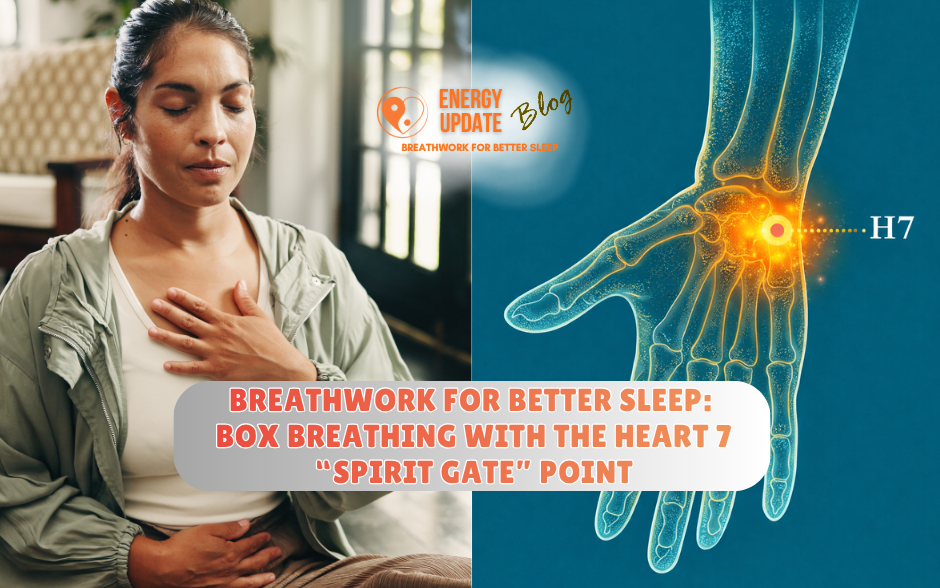
Breathwork for Better Sleep
Box Breathing with the Heart 7 “Spirit Gate” Point
Many people living with Parkinson’s struggle with sleep, shallow breathing, and a racing mind at night. A simple practice combining box breathing with the Heart 7 “Spirit Gate” acupressure point can help calm the nervous system and support deeper sleep.
Sleep can become surprisingly difficult when the mind is busy and the body feels restless. Many people experience this from time to time, lying awake, tossing and turning, unable to settle. For people living with Parkinson’s, this challenge can be even greater. Breathing may become shallow, the speaking voice can weaken, and sleep can become disrupted.
One of the simplest tools we have to help settle the body and mind is something we do every moment of the day: breathing.
When we bring gentle awareness to the breath and combine it with simple acupressure, we can help calm the nervous system and prepare the body for sleep.
One particularly helpful technique is box breathing combined with the Heart 7 acupoint, also known as Spirit Gate
Why Breathwork Helps Sleep
When we feel stressed or anxious, the breath tends to become shallow and high in the chest. This signals the nervous system to stay alert.
When we slow the breath and allow it to move down into the belly, the body begins to shift into a calmer state.
Breathwork can help:
- Calm the nervous system
- Reduce anxiety and mental restlessness
- Encourage deeper breathing
- Improve oxygen flow through the body
- Help the body settle into sleep
For people living with Parkinson’s, breathwork is especially important. Parkinson’s can affect breathing patterns, leading to shallower breaths and reduced breath support, which may also affect the strength of the voice. Gentle breathing exercises help reconnect with fuller breathing and can support relaxation and sleep.
The Heart 7 Acupoint — “Spirit Gate”
In Traditional Chinese Medicine, the Heart meridian is associated with emotional balance, calmness, and sleep. The spirit of the body, often called the Shen, is said to reside in the heart.
The Heart 7 point, known as Spirit Gate, is traditionally used to help calm the mind and settle the spirit.
When this energy is balanced, people often feel:
- Calmer
- Less anxious
- More settled emotionally
- Better able to sleep
This point is commonly used for insomnia, restlessness, anxiety, and an overactive mind at night.
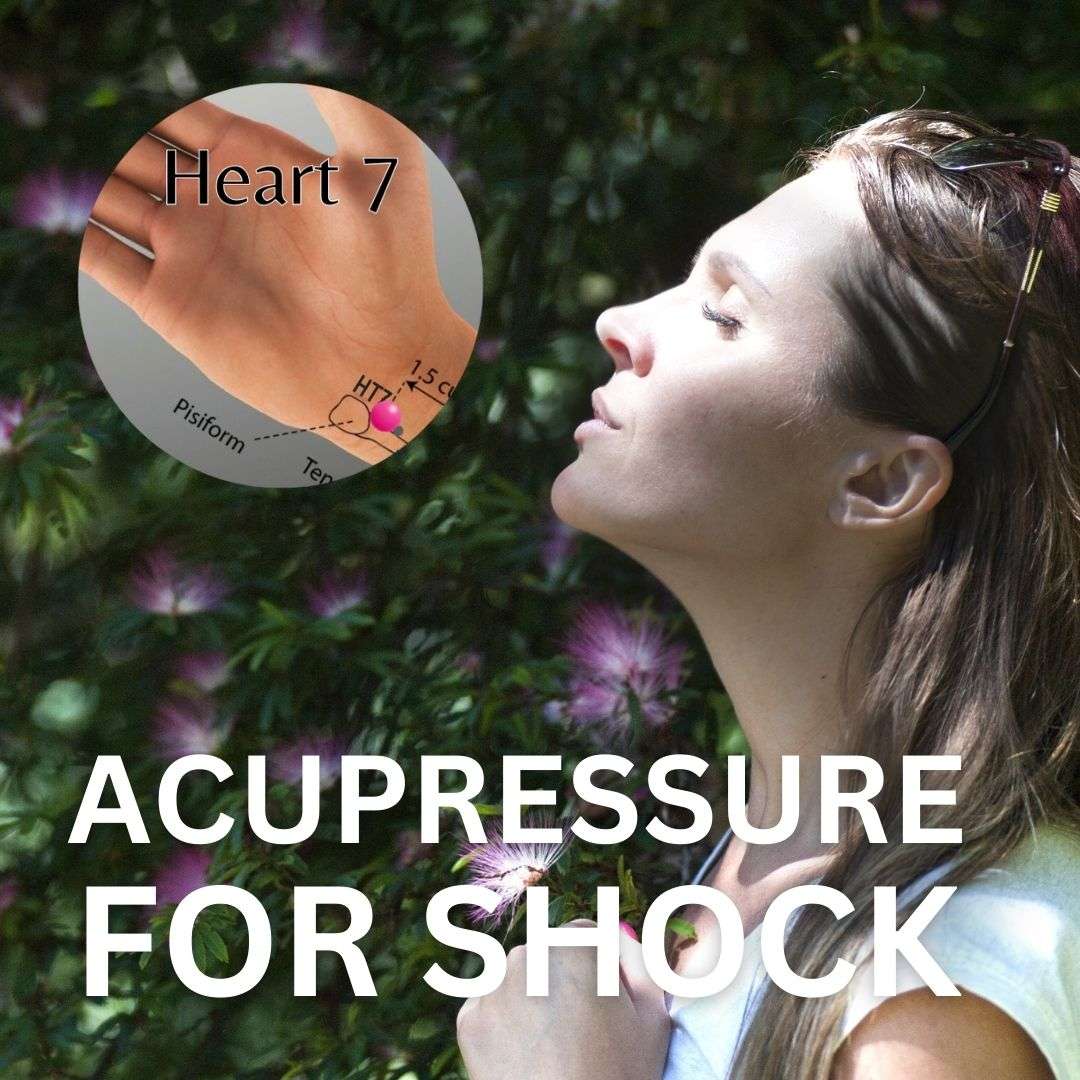
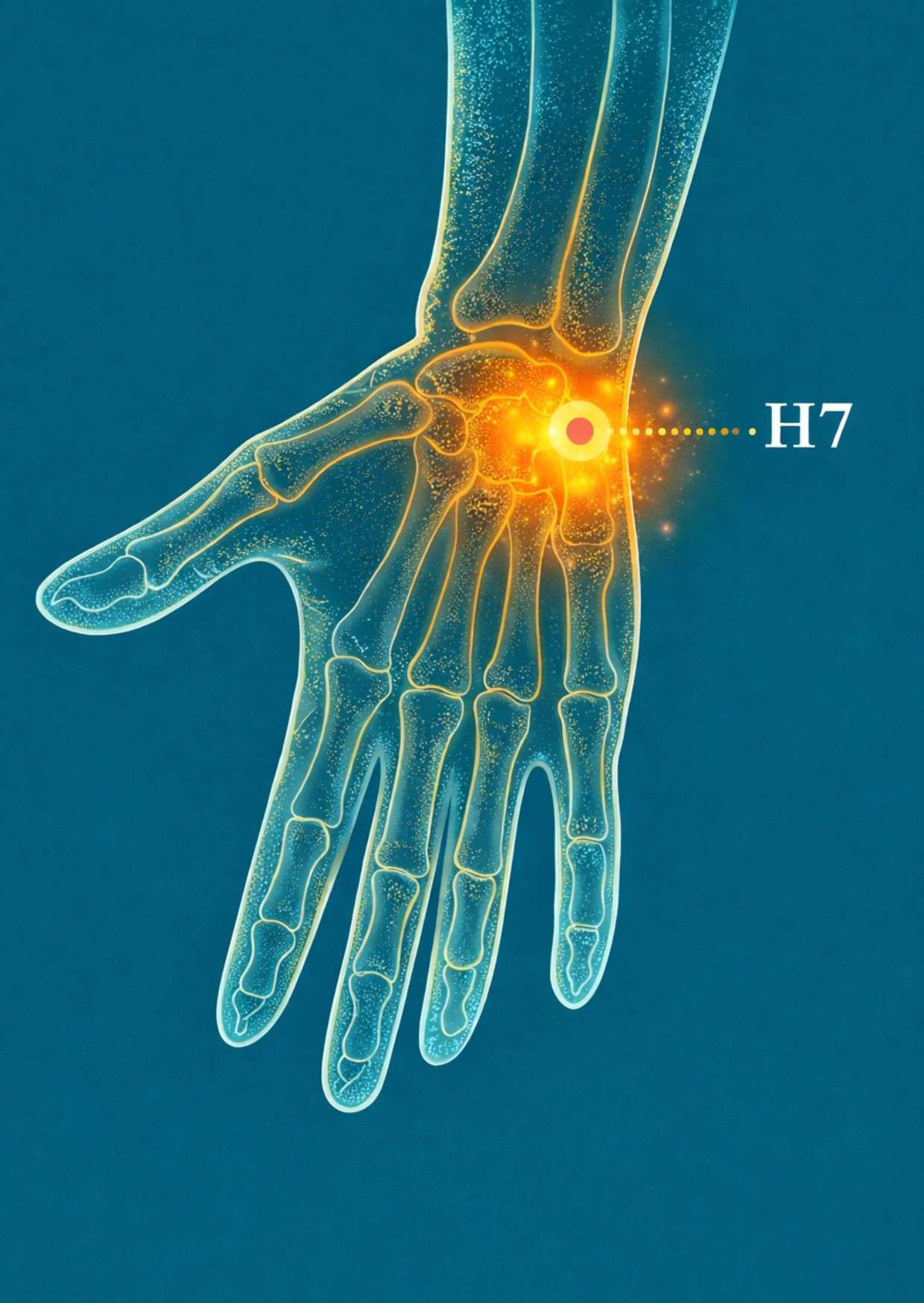
Where to find HEART 7
Heart 7 is located on the inside of the wrist.
To find it:
- Turn your palm facing upward.
- Look at the crease of your wrist.
- Find the line that runs down from your little finger.
- At the wrist crease, you will feel a small hollow between two tendons.
That soft spot is Heart 7 — Spirit Gate.
You don’t need to press hard. Think of it as making gentle contact with the point, like a relaxed handshake with your own energy.
Box Breathing with the Heart 7 Point
This practice combines rhythmic breathing with gentle acupressure to calm the nervous system and settle the mind.
It can be used:
Before bed
When waking during the night
Anytime you feel restless or anxious
Step-by-Step Practice
- Sit or lie comfortably.
- Locate the Heart 7 point on one wrist.
- Rest your thumb or finger gently on the point.
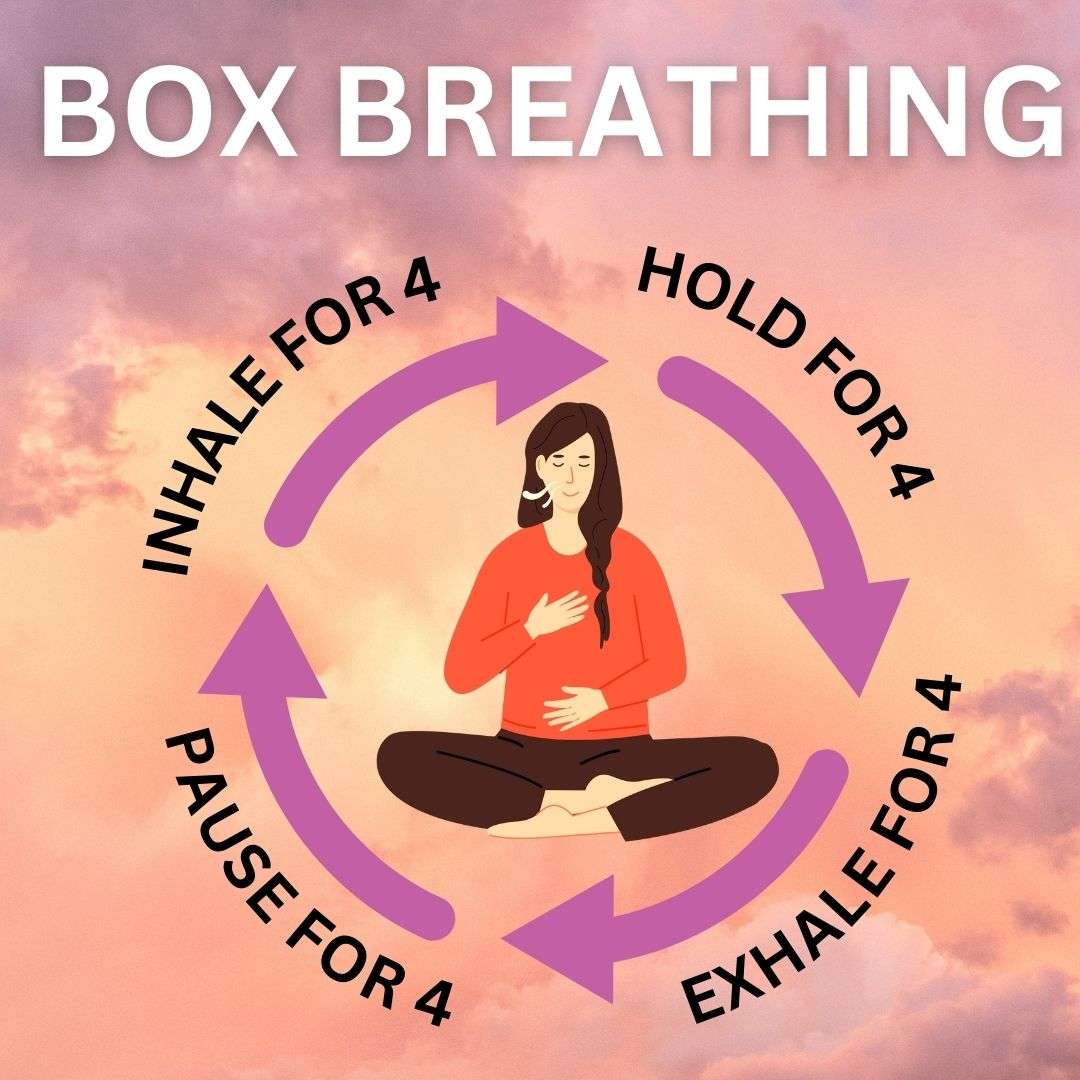
Now begin box breathing.
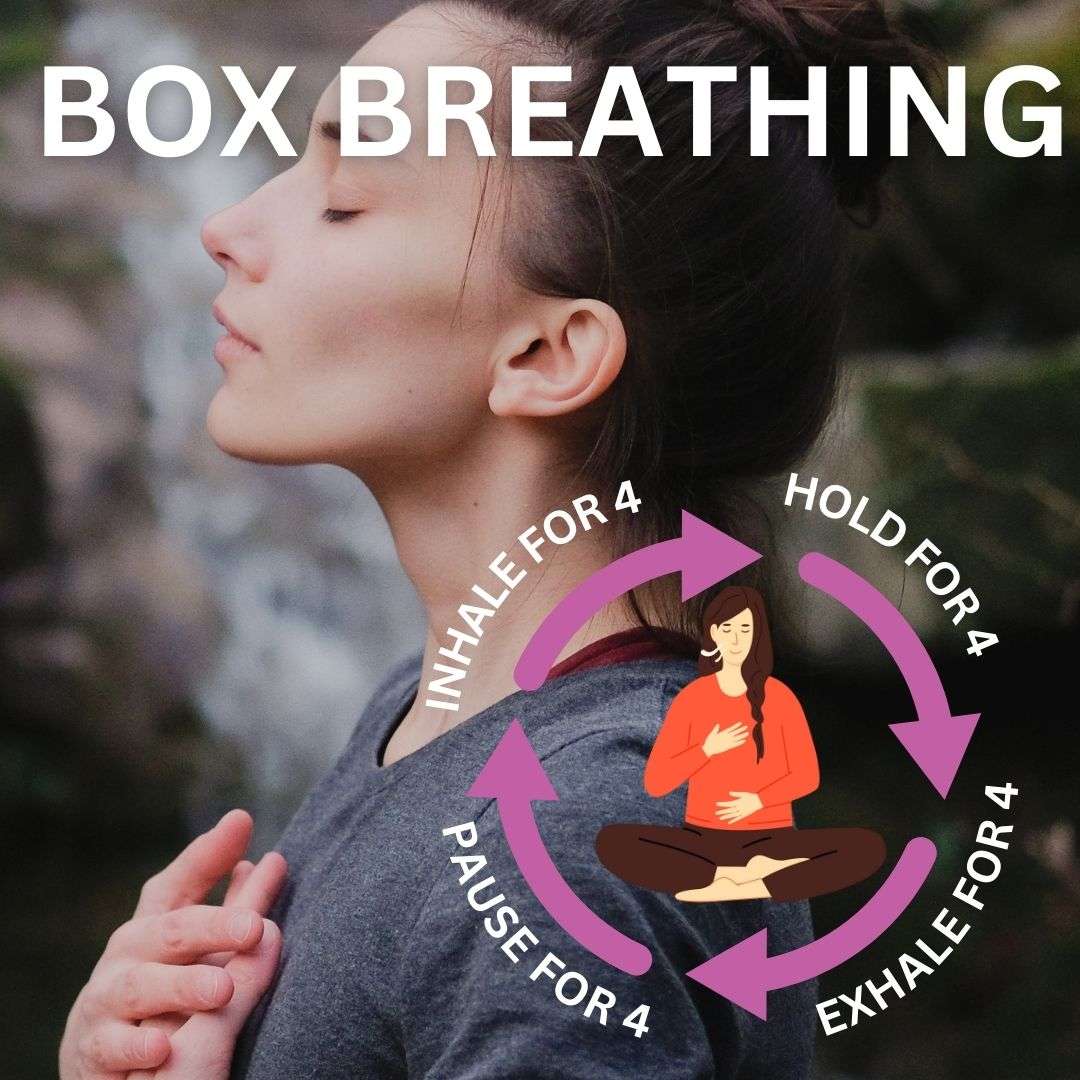
Step 1 – Inhale for 4 counts
Breathe slowly through the nose and let the belly expand.
Step 2 – Hold for 4 counts
Gently press the Heart 7 point.
Step 3 – Exhale for 4 counts
Release the pressure as you slowly breathe out.
Step 4 – Hold for 4 counts
Press the point again gently.
Then repeat the cycle.
Continue for 6–10 rounds of breathing.
After a few minutes, switch and repeat on the other wrist.
This steady rhythm of breathing helps quiet the mind while the acupressure point encourages the heart energy to settle.
When to Use This Practice
This technique is particularly useful if you:
- struggle to fall asleep
- wake in the middle of the night
- feel anxious at bedtime
- notice shallow breathing
- experience sleep disruption with Parkinson’s
Many people find that focusing on the breath and the acupoint gives the mind something gentle to rest on, allowing the body to relax naturally.
Simple Sleep Hygiene
Breathwork works best when it becomes part of a gentle sleep routine.
You might try:
Dimming lights earlier
Slowing down activities before bed
Taking 3–5 minutes for breathing practice
Using Heart 7 with box breathing once in bed
Making space to review the day and find 3 gratitudes
Even a few minutes can help the body shift from a busy day into a calmer state that supports sleep.
A Small Practice That Makes a Difference
Breathing is something we do thousands of times every day, yet we rarely think about it.
By combining slow breathing with the Heart 7 Spirit Gate point, you create a simple practice that helps calm the nervous system, quiet the mind, and support restful sleep.
Sometimes the smallest practices, done consistently, can make the biggest difference.
Learn More
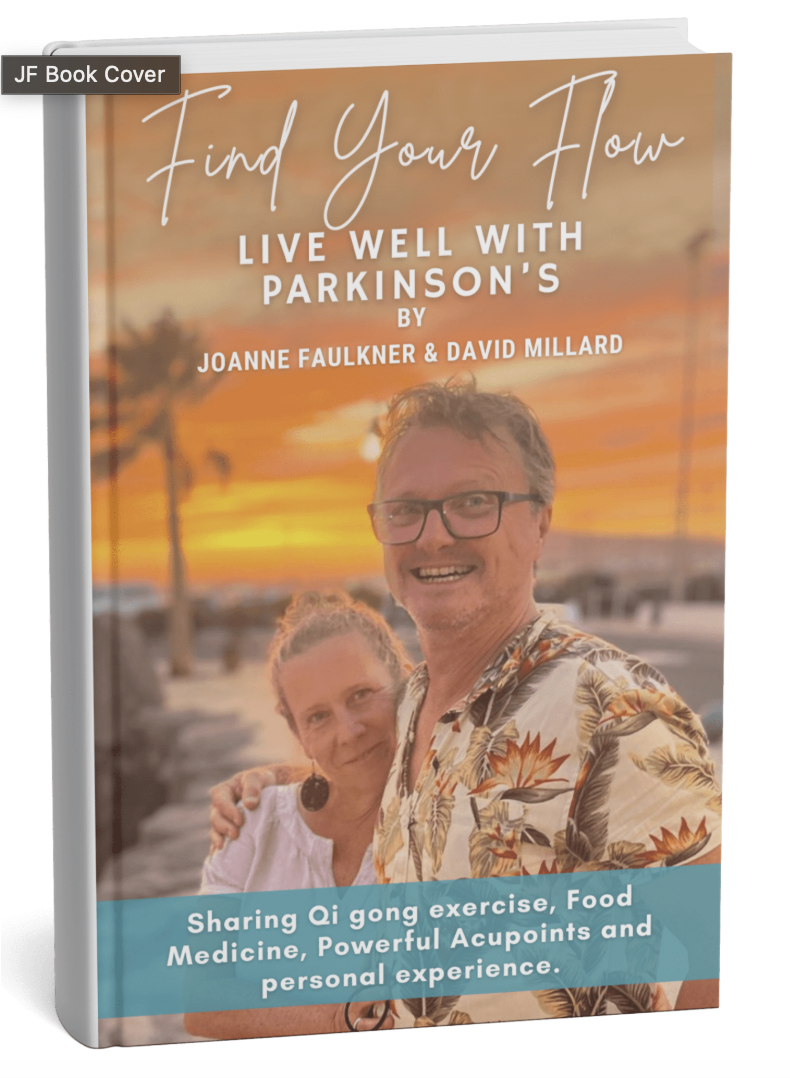
This practice is taken from our new book Find Your Flow: Live Well with Parkinson’s, where we share many more practical tools to support daily life with Parkinson’s — from breathwork and acupressure to simple Qi Gong practices that help improve energy, sleep, and wellbeing.
With May being Parkinson’s Awareness Month, it’s a wonderful opportunity to explore these practices for yourself. Why not join us for a free class and experience how these gentle techniques can help you reconnect with your breath, your body, and your sense of calm.
Join the Free Class
If you are curious about Qi Gong for Parkinson’s, chronic illness, fatigue, or healthy ageing, you are warmly invited to try a free class.
You do not need experience. You do not need flexibility. You simply begin where you are.
👉 Join the Free Class and experience the Eight Brocades for yourself.
Continue the Journey
If you would like ongoing support, Chi Flow with Jo offers:
- Weekday live classes
- Full Eight Brocades training
- Acupressure guidance
- Food medicine insights
- Monthly health talks
- Community gatherings
It is €39 per month, reducing to €20 per month after three months. Just €1 per class.
👉 Join Chi Flow with Jo HERE.


Go Deeper with Our Books
For those wanting to understand how movement, breath, and Chinese Medicine principles support living well with Parkinson’s, our books provide practical guidance rooted in lived experience and clinical wisdom.
👉 Buy the books and explore how to Find Your Flow and Live Well with Parkinson’s.
Movement does not need to be extreme to be powerful.
Small daily expansion reshapes the body.
Steady breath reshapes the nervous system.
Gentle repetition rebuilds confidence.
Every human body carries extraordinary capacity for renewal when given the right rhythm.
If April is asking you to soften into strength, come and practice with us.
Self-administered acupressure or Chinese Medicine is not a substitute for visits to qualified healthcare practitioners.
Knowing how to treat yourself and your loved ones with complimentary therapies like acupressure can be greatly beneficial and convenient. However, for serious and chronic conditions, you’ll want to visit an Shiatsu therapist / Acupuncturist or other qualified healthcare practitioner who can develop a treatment plan based on your unique medical history and combination of symptoms.
The information provided should not be considered medical advice.
Topics: Breathwork, Parkinson’s support, sleep practices, Qi Gong, acupressure.