Building an Emotionally Healthy Heart
Building an Emotionally Healthy Heart: Tools for Connection and Resilience
In our fast-paced, often disconnected world, creating a healthy heart goes beyond physical well-being, it involves nurturing our emotional and spiritual energy. Cultivating emotional resilience, understanding our triggers, and fostering healthy relationships with others are all key components of heart health. In the Chi Flow with Jo Podcast, we dive deep into these concepts, discussing practical tools and transformative practices to build an emotionally healthy heart.
This blog explores the key challenges many face in creating emotionally healthy relationships, both with ourselves and others, and provides actionable solutions for moving forward.
1. Navigating Emotional Sensitivity with Resilience
Emotional sensitivity can be a gift, but it can also be overwhelming, especially when we absorb the emotions of those around us. Many people, particularly those who are highly empathetic, feel deeply, which can lead to emotional burnout if not managed properly. Without the right tools, this sensitivity can feel like a burden rather than a gift.
Solution:
The key to emotional resilience lies in developing practices that help you remain grounded, without shutting down or distancing yourself from the world around you. Practices like mindfulness, energy movement, such as Qi Gong, and emotional self-regulation are essential for building this resilience. These tools help you stay present to your feelings while avoiding being overwhelmed by them, allowing you to embrace your sensitivity as a strength rather than a vulnerability. To learn more about staying emotionally resilient, listen to the full podcast, where Maya and I explore tools for staying open, grounded, and sensitive in a complex world.
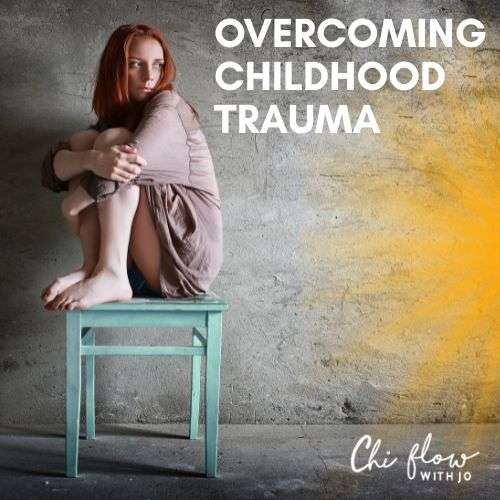
2. Overcoming Childhood Beliefs and Trauma
Many women carry deep-rooted beliefs formed in childhood that continue to influence their adult lives. One such belief that many struggle with is the feeling of unworthiness, especially if their early experiences involved abuse or trauma. These beliefs often show up in relationships, causing defensiveness, self-doubt, and difficulty accepting love.
Solution:
A powerful tool for transforming limiting beliefs is The Work of Byron Katie, which involves questioning the assumptions we make about ourselves and others. This method is incredibly effective for reframing negative thought patterns and replacing them with empowering beliefs.
For instance, in my own personal journey, I carried beliefs formed from childhood sexual abuse that made me believe I was unsafe when I was visible or attractive. This belief stayed with me for years, influencing my relationships and self-worth. Through working with Maya and using tools like Byron Katie’s method, I was able to challenge this belief and transform it.
This deep healing allowed me to step into my power and publish my book, Good Food, Better Sex a guide that not only explores physical health but also highlights the importance of healthy relationships with ourselves and others. If you’re struggling with deeply ingrained beliefs from the past, the upcoming mid monthly health talk, Maya will demonstrate a session which will offer insights on how to confront and heal them, making space for a more empowered and fulfilling life.
Reflective Listening for Healthier Relationships
In our relationships, we often fall into the pattern of wanting to be heard before we truly listen. This is especially true when emotional triggers arise. However, when we rush to defend our point of view or assert that we are “right,” we miss the opportunity to connect and understand the other person’s perspective.
Solution:
One transformative tool for improving communication is Reflective Listening, which involves listening attentively to the other person’s point of view, reflecting it back, and showing empathy before sharing your own perspective. This method fosters a sense of safety, allowing both parties to feel heard and valued. Reflective listening not only improves relationships but also creates a deeper emotional bond built on trust and mutual respect.
4. Building Emotional Resilience in Community Living
Living in an intentional community presents unique challenges but also provides powerful opportunities for growth. Maya lives in a sustainable community in Portugal, where collective living requires constant emotional regulation and conflict resolution. Unlike the typical individualistic mindset, community living demands a deep commitment to listening, empathy, and understanding, especially when difficult situations arise.
Solution:
In Maya’s community, the tools for conflict resolution and emotional regulation include techniques like Nonviolent Communication (NVC) and social harmonizing, which foster open, honest dialogue without blame or defensiveness. These tools are designed to help individuals express their feelings and needs in a way that invites cooperation rather than conflict. By practicing vulnerability and accepting feedback, community members
5. Transforming Reactive Patterns into Proactive Communication
In relationships, it’s easy to fall into a cycle of reactivity, where both people defend their position rather than listen and understand the other’s perspective. This often leads to unnecessary conflict and emotional disconnect.
Solution:
Imago Dialogue is a powerful method that encourages partners to listen actively and reflectively, fostering a deeper connection and resolving conflicts in a healthy way.
By focusing on curiosity and empathy rather than asserting our own needs first, we create space for mutual understanding and healing.
This process helps us move from a reactive state to a more proactive and compassionate way of communicating.
6. Living in Community: The Power of Connection
While emotional self-regulation and healthy communication are vital for an emotionally healthy heart, there’s also great value in living in community. Maya’s experience living in a sustainable community has shown her the power of collective healing and emotional support. In this type of environment, there are multiple opportunities for growth and self-discovery, as everyone’s personal challenges and triggers come to the forefront.
Solution:
For those seeking a deeper connection to others, living in community can provide a fast track to emotional growth. In Maya’s community, the focus is on self-responsibility, vulnerability, and creating safe spaces for honest communication. This kind of environment encourages individuals to step into their authenticity, accept feedback, and use conflict as a tool for personal and collective evolution.
🌕 Join Us This Month in Chi Flow with Jo
If you’re intrigued by the idea of intentional living and community building, listen to the full podcast where Maya shares her experiences and the challenges of living in a group setting. This conversation will inspire those looking for ways to build deeper connections and create resilient communities.
Creating an emotionally healthy heart requires a commitment to understanding and healing ourselves and our relationships. Whether you’re working on transforming limiting beliefs, improving communication with your partner, or learning how to live more harmoniously in a community, the tools shared in this blog can help you create stronger connections and greater emotional resilience.
Ready to transform your heart and relationships?
Watch Healthy Heart, Mind and Body with Maya Benharroch HERE.
You can also listen to the Chi Flow with Jo Podcast for more in-depth discussions on these practices.
💗 Ready to Join?
Click here to become a member of Chi Flow with Jo → CLICK HERE
Or drop in for a class and feel it for yourself (sign up below).
Join the Chi Flow with Jo community for live sessions, practice, and support on your journey.


Self-administered acupressure or Chinese Medicine is not a substitute for visits to qualified healthcare practitioners.
Knowing how to treat yourself and your loved ones with complimentary therapies like acupressure can be greatly beneficial and convenient. However, for serious and chronic conditions, you’ll want to visit an Shiatsu therapist / Acupuncturist or other qualified healthcare practitioner who can develop a treatment plan based on your unique medical history and combination of symptoms.
The information provided should not be considered medical advice.