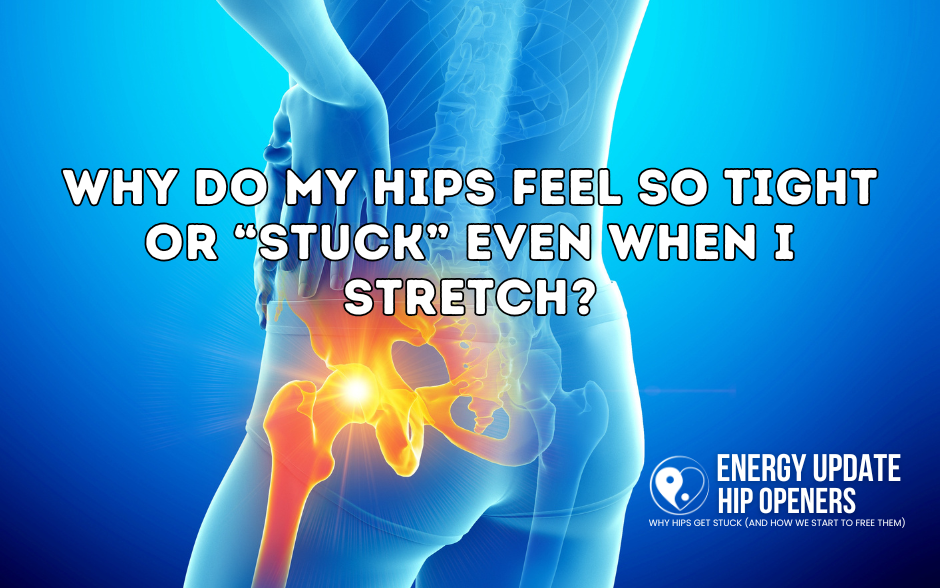
Why Do My Hips Feel Stuck?

Why Do My Hips Feel Stuck?

Understanding Hip Tension, Energy Flow & the Liver Meridian (and How to Fix It Gently)

If your hips feel tight, stiff, or completely stuck — you’re not alone. This is one of the most common issues I see, especially for women over 45 and for those managing long-term conditions where movement and energy feel limited.

But here’s the thing most people don’t realise:
Hip tension isn’t just about tight muscles.

In Chinese Medicine, the hips are part of a much bigger picture — one that includes energy flow, emotional holding, posture, and how your whole body connects from the ground up.

The 3 Most Asked Questions This Blog Answers

1. Why do my hips feel so tight or “stuck” even when I stretch?
2. How are my hips connected to energy flow and emotions?
3. What can I do daily to gently release hip tension and improve movement?

The Real Reason Your Hips Feel Stuck

When people say their hips feel “stuck,” they’re usually describing something deeper than stiffness.

It’s that feeling of:

  • A fixed pelvis
  • Limited movement when walking
  • Tightness deep in the groin or lower back
  • Low or sluggish energy

In Chinese Medicine, this is often linked to the Liver system, which is responsible for the smooth flow of energy (Qi) in the body.

When that flow becomes restricted, the body tightens — and one of the first places this shows up is in the hips and groin.
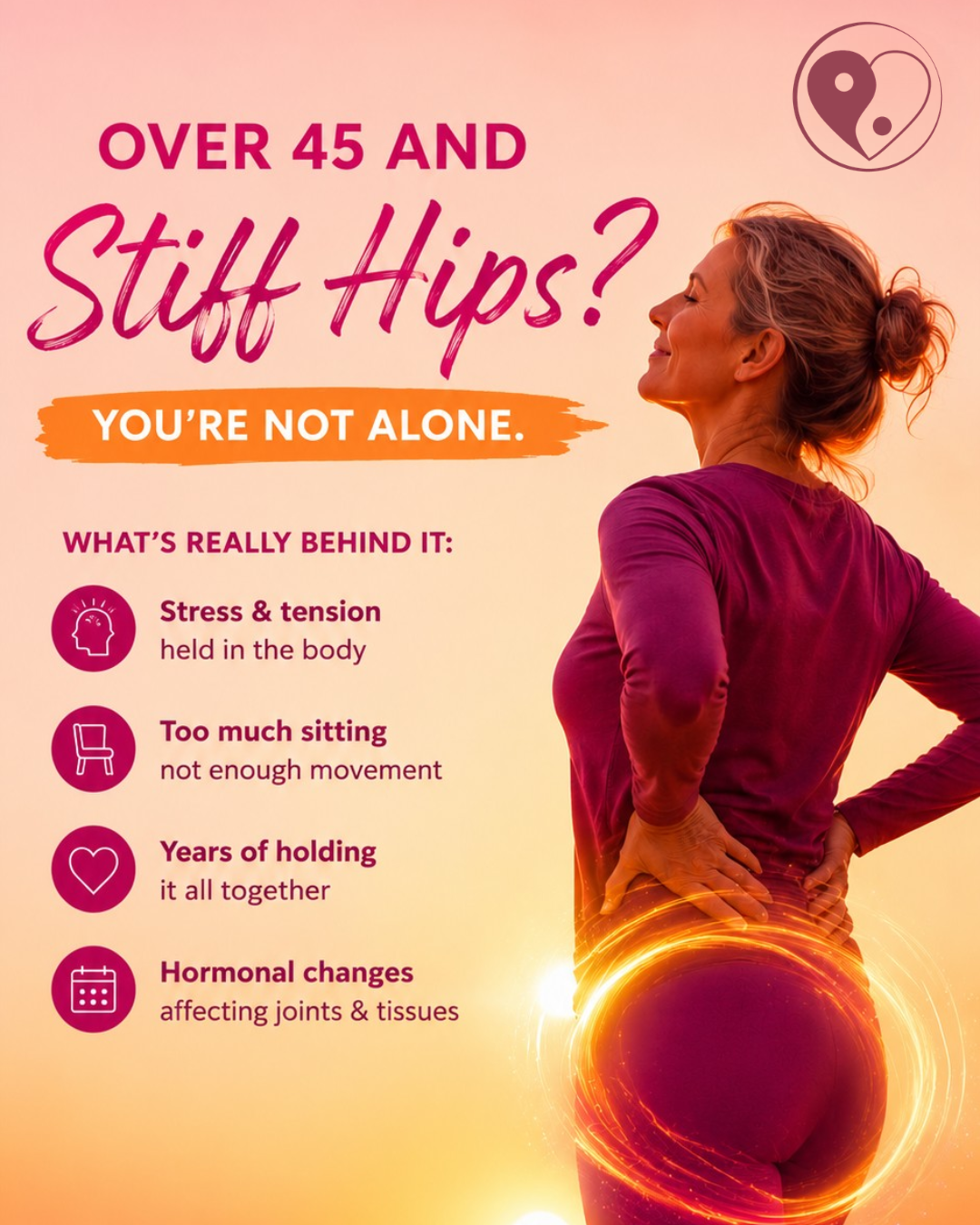
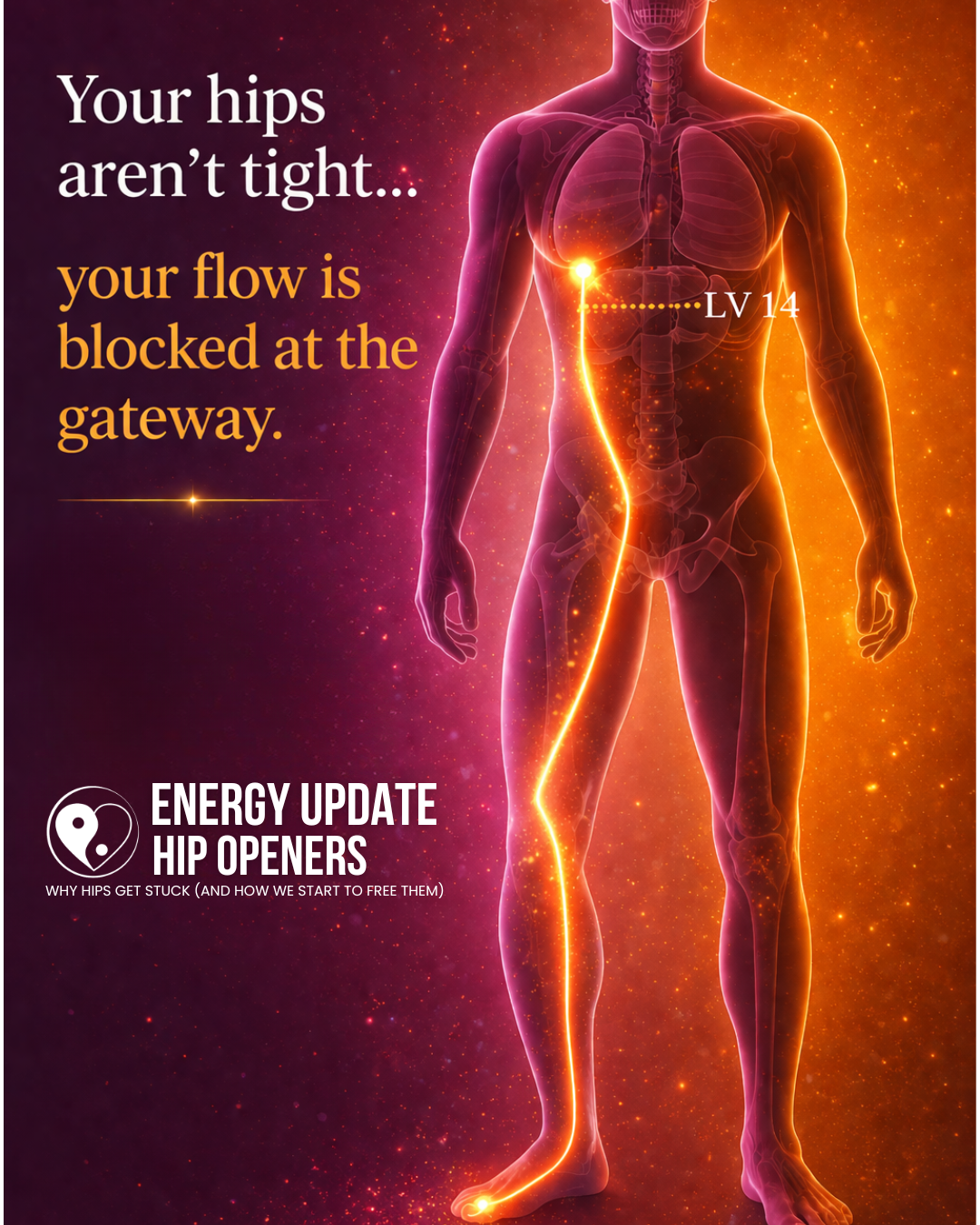
The Liver Meridian & Hip Tension (Why the Groin Matters)

The Liver meridian runs from the foot, up the inner leg, and passes directly through the groin into the pelvis.

Think of the groin and hips as a gateway.

If that gateway is:

  • Tight | Collapsed |Misaligned

Then energy can’t move smoothly from the lower body into the centre.

  • Stretching your hamstrings doesn’t fix the problem
  • Your hips still feel tight no matter what you try
  • Movement feels restricted or disconnected

Because the issue isn’t just muscular, it’s about flow through that inner pathway

The Role of the Psoas (Your Deep “Emotional” Muscle)

Deep in the centre of your body sits the psoas muscle, connecting your spine to your legs.

This muscle:

  • Tightens with stress
  • Shortens with sitting
  • Holds emotional tension (especially fear and anxiety)

Over time, this can lead to:

  • A “fixed” pelvis
  • Lower back discomfort
  • Reduced hip mobility
  • That heavy, stuck feeling

This is why hip tension often feels both physical and emotional.

Rooting to Rise: The Missing Piece

Most people try to fix tight hips by stretching harder.   But in Chinese Medicine, we take a different approach:

👉 You don’t force the hips open — you allow them to open.

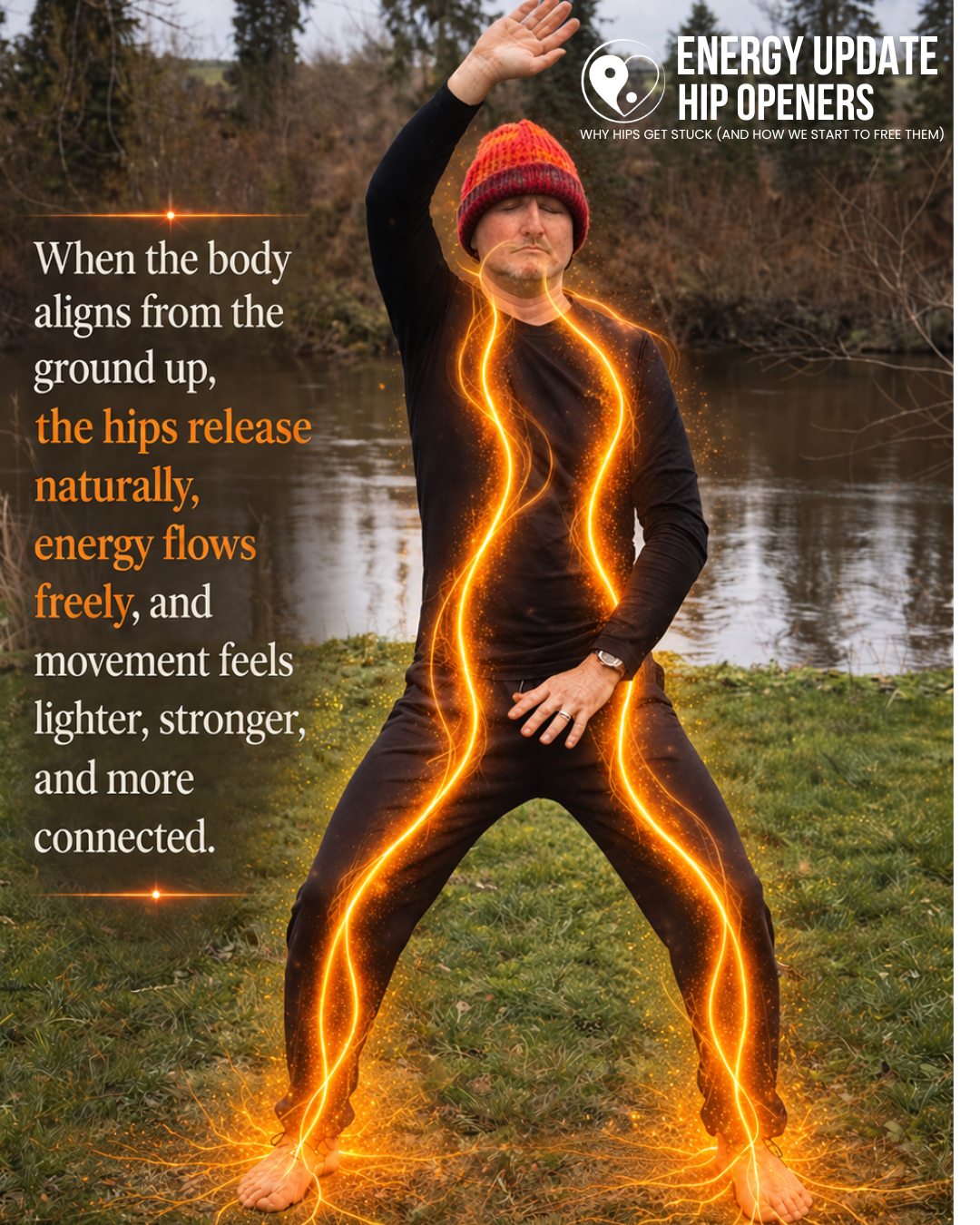
This comes from the principle of “rooting to rise.”

Instead of pulling from the top down, we build from the ground up.

Alignment from the Ground Up (Your “Gates”)

To restore flow through the hips, we guide the body through a series of “gates”:

Start with your feet — feeling the ground, weight evenly distributed.
Then soften the ankles — responsive, not rigid.
Allow the knees to bend gently and track forward.
Move into the hips (Kua) — softening the crease at the front of the pelvis.
Let the pelvis settle neutral — not gripping or tilting.
Allow the spine to rise naturally.
Soften the chest and shoulders.
Let the head float gently on top.

When these gates align, something powerful happens: 👉 Energy can rise smoothly from the ground, through the legs, through the groin, and into the whole body.   This is where real change begins.
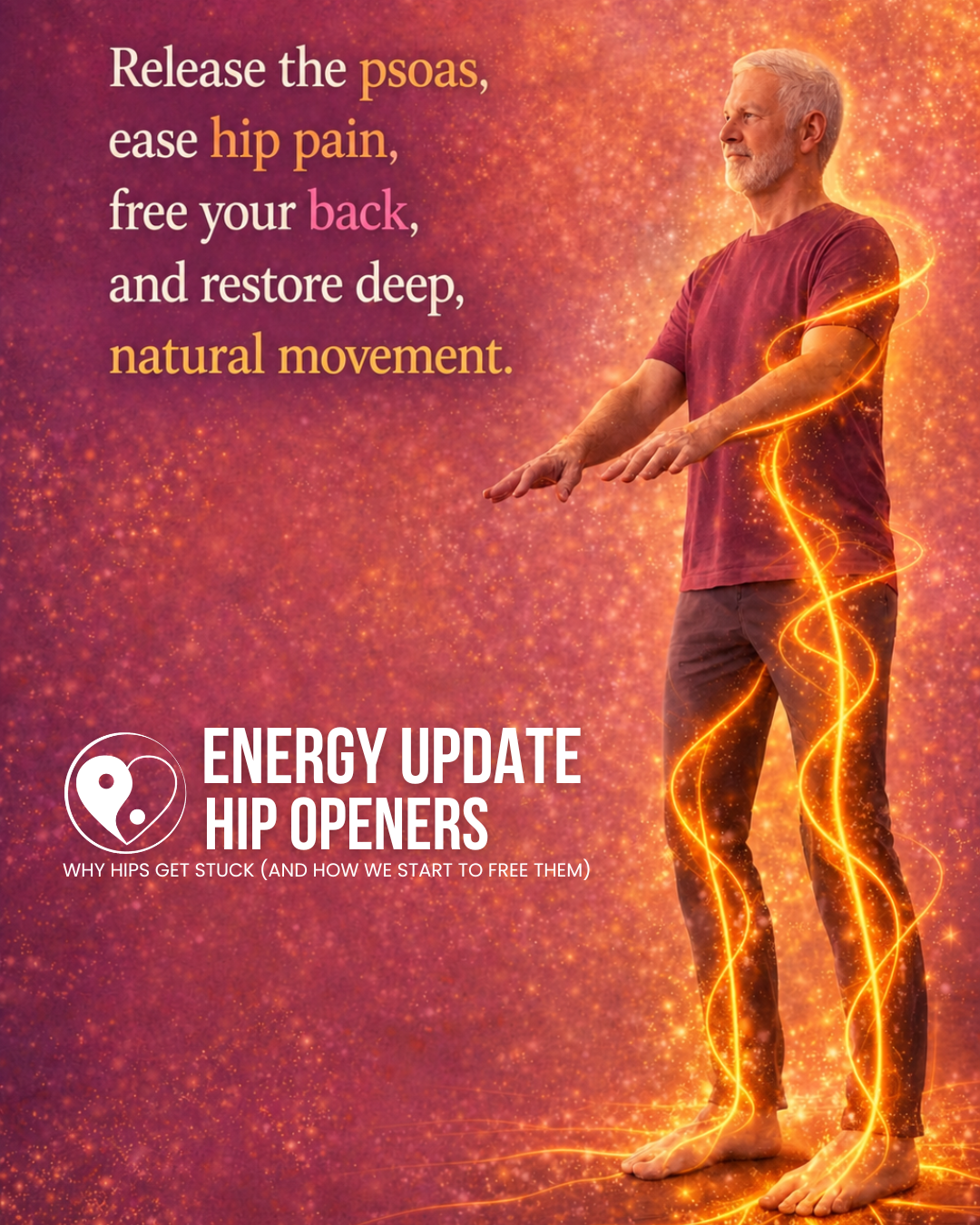
Why Hip Pain, Sciatica & Low Energy Are Connected

When the hips are tight and the pelvis is fixed:

Circulation reduces, Movement becomes inefficient, Energy flow slows down

This can contribute to:

Hip discomfort or stiffness | Sciatica-type symptoms | Lower back tension | Fatigue or low energy

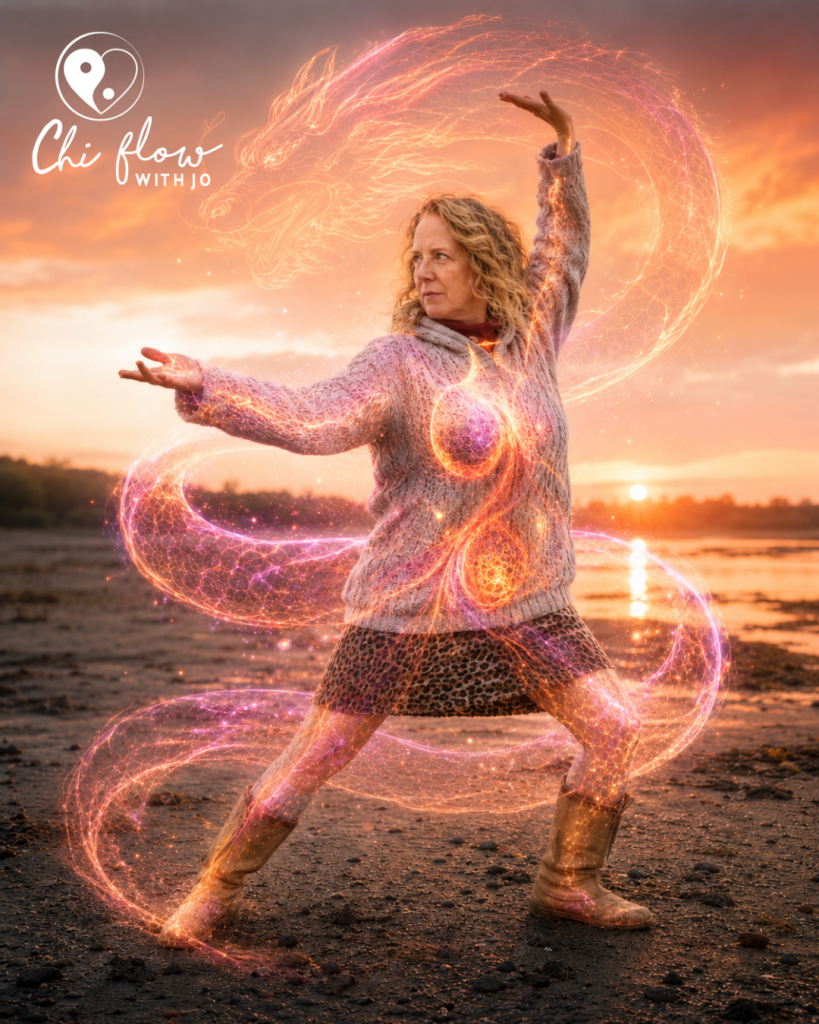
Again it’s about flow being restricted. Watch until the end of the video where Jo demonstrates OPENING THE KUA Qi Gong Movement in both seated and standing practice.
A Gentler Way to Release Hip Tension

You don’t need extreme stretching or complicated routines.

What works best is:

  • Slow, controlled movement
  • Breath-led hip opening
  • Consistent daily practice
  • Good alignment through the feet, knees, and hips

Even simple movements like:

  • Gentle hip circles | Soft knee bends | Standing weight shifts

…can begin to restore flow when done consistently. Watch the video for a demonstration of a simple hip opening Qi Gong movement (seated demo included)

Supporting Your Hips with Food & Daily Habits

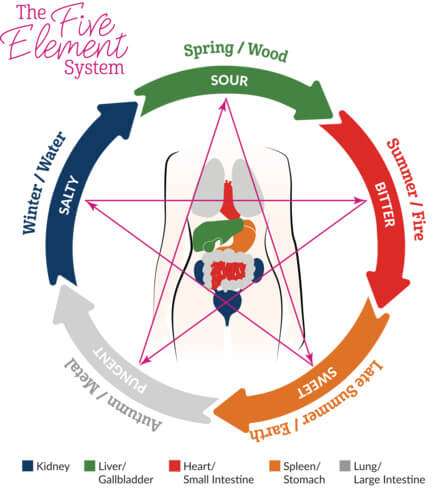
In Chinese Medicine, the Five Element system teaches that different flavours support different organs and energy pathways in the body. Sour foods support the Liver, bitter supports the Heart, sweet nourishes the Spleen, pungent supports the Lungs, and salty nourishes the Kidneys.

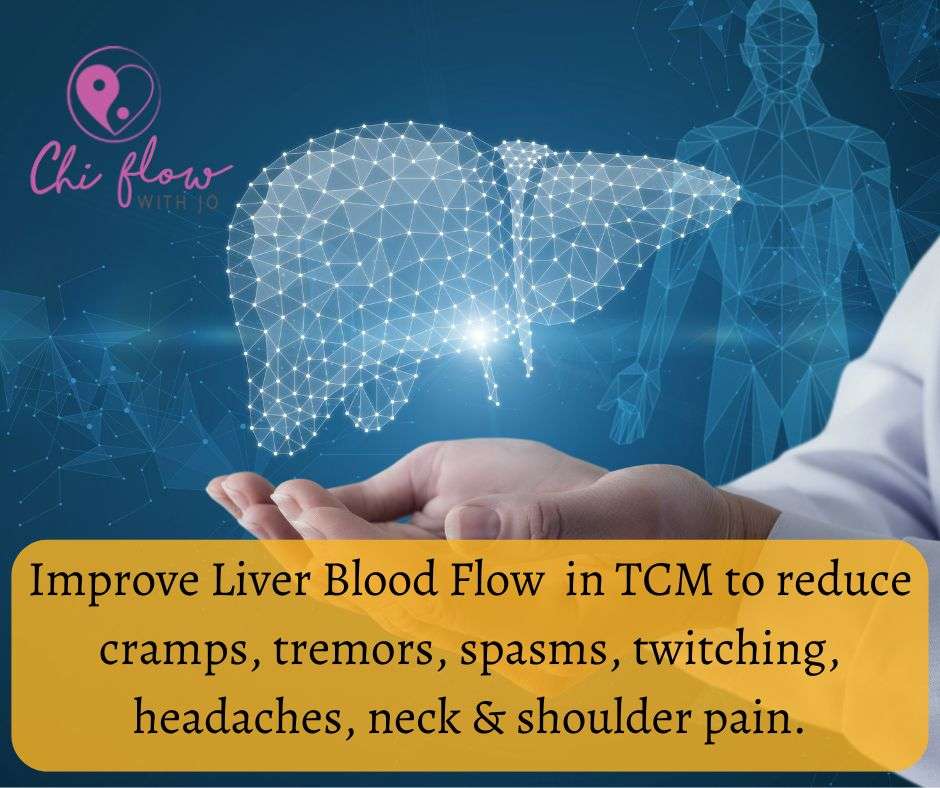
The Liver system is especially important for the smooth flow of Qi and Blood throughout the body, particularly through the tendons, groin, and hips. When Liver energy becomes stagnant from stress, tension, poor posture, or inactivity, the hips can become tight, stiff, and heavy.

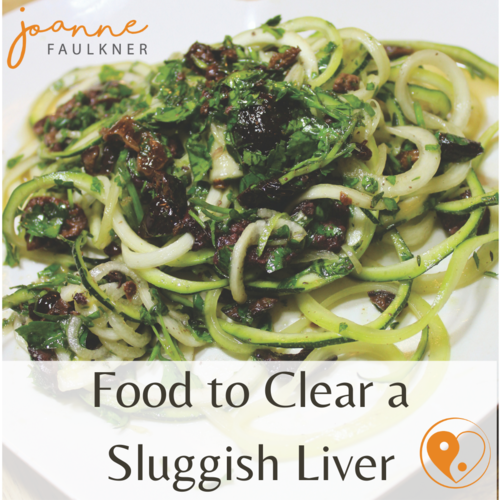
By supporting the Liver through movement, breathwork, and sour foods like cherries, lemon, or plums, we help restore circulation, improve blood flow, and encourage energy to move more freely through the hips and pelvis.

If you’d like to understand the full Five Element food system in a simple, practical way, along with how flavours, colours, and foods affect your energy, joints, emotions, and overall health, I explore this deeply in my books. They’re designed to help you bring Chinese Medicine into everyday life in a way that feels nourishing, grounded, and easy to follow.

To support smoother flow:

  • Add leafy greens (like spinach or nettle)
  • Include sour foods (lemon, lime, plums)
  • Reduce long periods of sitting
  • Move gently every day

These small shifts help reduce internal “stagnation” and support the hips naturally.

The Emotional Side of Hip Tension

The hips are often a storage area for:

  • Frustration | Stress | Unprocessed emotions

When you begin to open the hips gently, it’s not uncommon to feel:

  • Lighter | Calmer | More at ease

This is a normal part of the process.
You’re not just improving movement, you’re creating space in the body.
Where to Start (Without Overwhelm)

If your hips feel stuck, the goal isn’t to fix everything overnight.

It’s to:

  • Start gently
  • Stay consistent
  • Let the body open at its own pace

That’s exactly what we focus on inside Chi Flow with Jo — simple daily practices that build over time.

You get:

  • Weekday live classes
  • Recordings you can follow anytime
  • Q&A support
  • Acupoints, food tips, and guidance
  • A community moving with you

💛 It’s €39/month, reducing to €20 after your first 3 months.

Final Thoughts

If your hips feel tight, stuck, or disconnected, your body isn’t broken.

It’s simply asking for:

  • Better alignment
  • Better flow
  • A stronger foundation

When you start from the ground up… everything begins to change.

Ready to Start?

Join Chi Flow with Jo and begin gently opening your hips, restoring your energy, and feeling more like yourself again.

Go Deeper with Our Books

For those wanting to understand how movement, breath, and Chinese Medicine principles, Jo’s books provide practical guidance rooted in lived experience and clinical wisdom.

👉 Buy Five Element Wisdom cookbooks

Explore how to Find Your Flow and Live Well with Parkinson’s.

Movement does not need to be extreme to be powerful.
Small daily expansion reshapes the body.
Steady breath reshapes the nervous system.
Gentle repetition rebuilds confidence.

Every human body carries extraordinary capacity for renewal when given the right rhythm.

If April is asking you to soften into strength, come and practice with us.

Self-administered acupressure or Chinese Medicine is not a substitute for visits to qualified healthcare practitioners.

Knowing how to treat yourself and your loved ones with complimentary therapies like acupressure can be greatly beneficial and convenient. However, for serious and chronic conditions, you’ll want to visit an Shiatsu therapist / Acupuncturist or other qualified healthcare practitioner who can develop a treatment plan based on your unique medical history and combination of symptoms.

The information provided should not be considered medical advice.

Topics: Breathwork, Parkinson’s support, sleep practices, Qi Gong, acupressure.

 Joanne Faulkner is a Qi Gong teacher – Chi Flow with Jo – teaching live daily online Qi Gong classes to hundreds of people; a Shiatsu practitioner specializing in the energy of food in Traditional Chinese Medicine and a published Author. Her residential and day Wellness Retreats focus on Chi Gong, self-Shiatsu & Conscious Cooking Demonstrations, and are extremely popular.

Until recently, Joanne was the Irish representative to the European Shiatsu Federation and is the former Chairperson of the Shiatsu Society Ireland.

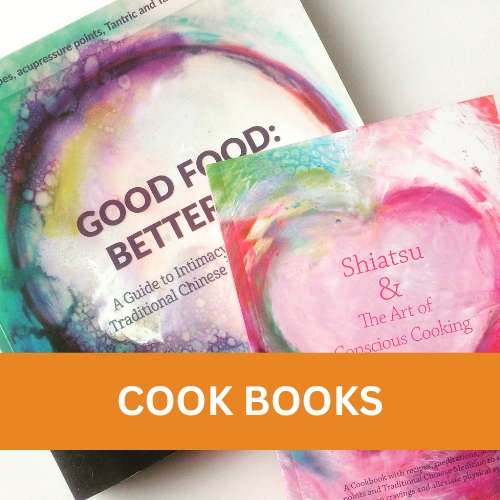
 “Good Food: Better Sex” and “Shiatsu & the Art of Conscious Cooking” , both written and published by Joanne, are modern cookbooks full of delicious recipes, Traditional Chinese Medicine plus acupressure points for health and wellbeing.

INTERACTIVE

APP NOW LIVE!

Answer 2 questions to see what foods suit you today

COMPANION TO
“SHIATSU & THE ART OF
CONSCIOUS COOKING”
COOK BOOK

BUY THE BOOK!

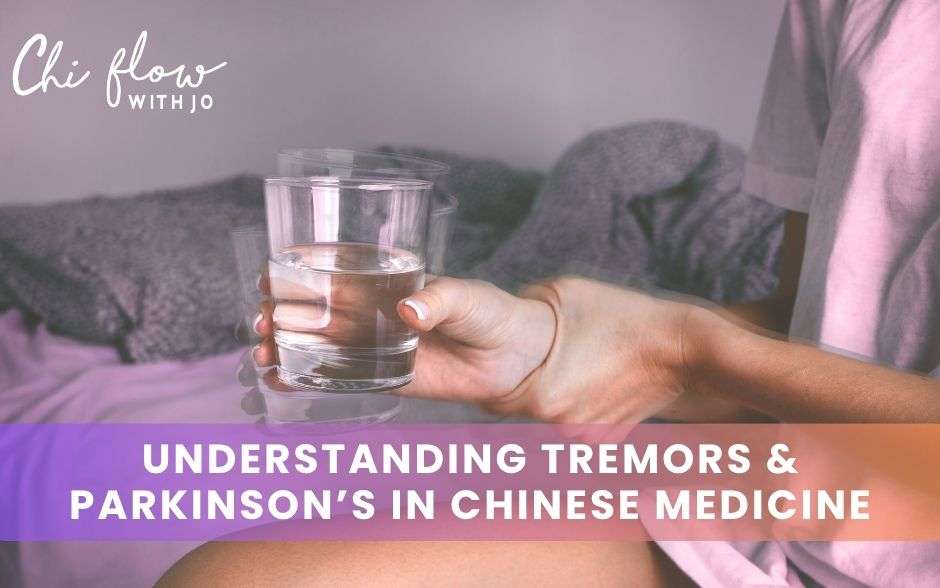
Understanding Tremors and Parkinson’s in Chinese Medicine

Understanding Tremors and Parkinson’s in Chinese Medicine

Today, we’re addressing a heartfelt question from a listener undergoing evaluation for Parkinson’s disease, seeking guidance on reducing spontaneous body tremors.  Remember, the insights I share are complementary and should harmonize with your personal health journey and any advice from your healthcare providers.

Understanding Tremors in Chinese Medicine

In Traditional Chinese Medicine (TCM), tremors are seen as manifestations of internal imbalances, particularly involving the liver and kidney energy systems. These systems are not just organs but represent a holistic network of functions. Disruptions in the smooth flow of Qi (chi), your vital energy and blood can create what is known as internal wind. This isn’t flatulence, but rather a chaotic climactic condition that can lead to spasms and tremors throughout the body.

Involuntary movements such as tremors, twitches, and spasms, including conditions like Bell’s Palsy, Dystonic tremor, Essential tremor, Parkinsons, and stroke can be addressed by nourishing the body’s yin energy and calming excessive yang. We want a smooth flow of blood, governed by the liver, and a grounded essential energy, governed by the kidneys. Supporting these systems through dietary choices is an excellent place to start.

Dietary Recommendations for Reducing Tremors

To support yin and anchor the body’s energy, incorporate foods with yin-nourishing properties:

To support yin and anchor the body’s energy, incorporate specific foods into your diet that encourage yin-nourishing properties.

Walnuts are a really great yin food. What do they look like? They look like brains, and they have such a complex range of minerals within them, making them excellent for supporting kidney energy and yin. The kidney governs the winter of the body, that still, quiet, deep time where everything is in transition, just waiting for the rising of spring. So, any foods that nourish kidney energy in Chinese medicine help to calm spasms and tremors.

Find a full outline of Kidney and Liver foods in my 5 element Cook books

Seaweed is a fantastic yin-nourishing food, packed with minerals like magnesium, manganese, copper, iron, and calcium. These nutrients help relax tense, tight, spasming muscles. Barley is another grain that cools the body, often recommended for urinary tract infections, to cool the heat and irritation, super effective for nourishing yin.

Conversely, it’s important to limit yang foods such as refined carbohydrates, refined sugars, and alcohol. These introduce heat and agitation to the body. While some warming yang foods, like ginger, garlic, and chili, can be useful when fighting infections, they may exacerbate tremors. Hydration is also essential; drinking ample water helps nourish the kidneys and support overall balance.

Qi gong for Reducing Tremors

Qi gong (Qi = energy, Gong = work) is an ancient practice that aligns the mind and body to regulate energy. Sometimes, energy rises excessively, leading to heat, anxiety, or jitteriness.

Through gentle flowing movements, Qi gong helps restore the smooth flow of qi and blood, preventing energy stagnation, excess tension and movement.

I offer a free Qi gong class at the end of each month (sign up at the bottom of this blog post), it’s a great way to experience these practices firsthand.

My husband, Davey, has Parkinson’s, and together, we use Qigong to help him manage his symptoms. While Parkinson’s currently has no cure, there are ways to live well with the condition.

Davy shared that before he began practicing Qigong, he often felt as though the tremors were overwhelming his mind, making it difficult to think clearly. Through mindful movement and breathwork, he found that while the tremors may not disappear, they no longer dominated his focus.

Qi gong Practice for Tremors

Before practicing, it’s important to acknowledge the presence of tremors rather than resist them. Fighting against them can increase stress and exacerbate symptoms. Instead, mindful practices help create a deep state of acceptance and tranquility.

Shaking Qi gong Exercise

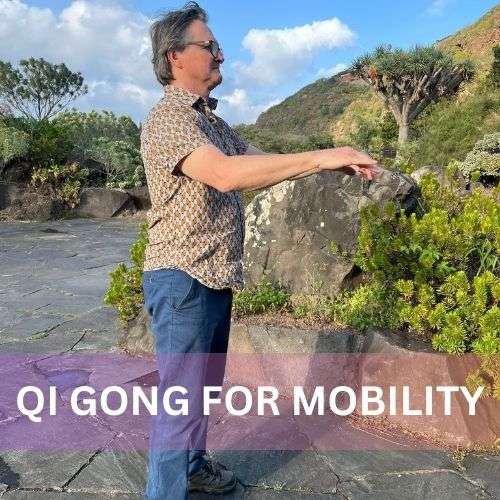
• Find your space: You can do this sitting or standing. If standing, place your feet hip-width apart, knees slightly bent, tailbone gently tucked under.
• Amplify the shaking: If you are already shaking, lean into it! Place your hands on your lower belly and shake from your core.
• Shift the weight: Move the shaking energy down your legs:
• Inhale deeply, exhale, and shake down one leg.
• Inhale deeply again, exhale, and shake down the other leg.
• Shake through the arms one at a time: Imagine the energy flowing to your fingertips as you shake out your hands.
• Full-body shake: Ensure there is space under your armpits, as Parkinson’s can often lead to excessive tension in the upper body.
• Release into stillness: Let the shaking subside and take a deep breath in through the nose as if smelling a rose, exhaling fully pressing the belly button to the spine, allowing the energy to settle.
• Take 3 breaths: one to land in the stillness, one to integrate the sensation into the whole body and one to let the body accept being here now.

Kidney and Bladder Meridian Qigong

• Rub your kidneys: Place your hands on your lower back and gently massage the area.
• Sweep down the hamstrings/bladder channel: Let your hands glide down the back of your legs, allowing your head to drop forward.

• Inhale, drawing energy up/kidney channel: Place your hands on the inner legs and sweep them up the body, over the pubic bone, and flick the energy off.
• Exhale, descending the energy: Bring your hands down with palms facing the earth, grounding your energy.
• Repeat: Continue this cycle to smooth the qi through the kidney and bladder meridians, which are vital for nervous system regulation.

Finding Peace Within

As you conclude your practice, place your hands over your lower belly and take a moment to connect inward. You may still feel tremors, but you might also notice a newfound sense of stability. This practice isn’t just about reducing shaking, it’s about reclaiming your sense of self and balance.

You may have Parkinson’s, but Parkinson’s doesn’t have you.

May you be happy, safe, and well. May I be happy, safe, and well. May all beings everywhere be happy, safe, and well.


DO YOU HAVE A QUESTION?

The Ask Me Anything podcast series has been created to answer your questions using my knowledge of Chinese medicine, Qi Gong, Qi Food therapy and Shiatsu. 

You can ask a question by clicking on THIS LINK, or you can watch past episodes to see if your question has already been answered.

Join the Chi Flow online community today!

Also, join me in Chi Flow with Jo every weekday morning for live online Qi Gong where we will practise Qi Gong, as well as self-acupressure, delicious healthy recipes, Traditional Chinese Medicine (TCM) tips and Meridian stretches.  

You can sign up for a FREE online qi gong class with the form below.

Hope to see you in the Chi Flow!

Self-administered acupressure or Chinese Medicine is not a substitute for visits to qualified healthcare practitioners.

Knowing how to treat yourself and your loved ones with complimentary therapies like acupressure can be greatly beneficial and convenient. However, for serious and chronic conditions, you’ll want to visit an Shiatsu therapist / Acupuncturist or other qualified healthcare practitioner who can develop a treatment plan based on your unique medical history and combination of symptoms.  

The information provided should not be considered medical advice.

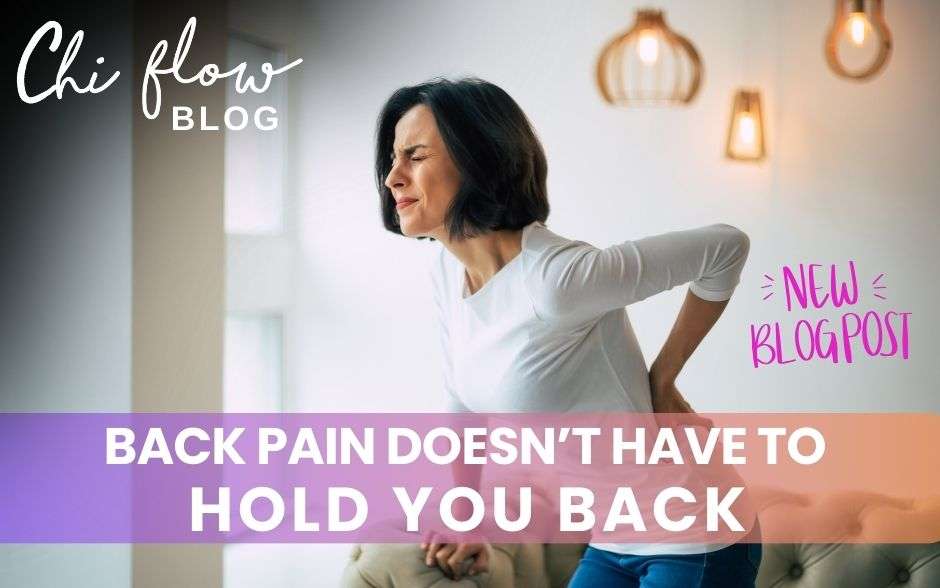
Back Pain Doesn’t Have to Hold You Back

Back Pain Doesn’t Have to Hold You Back

Back pain is an all-too-common struggle. Did you know it’s one of the leading reasons people miss work and the second most common reason for visiting the doctor? Shockingly, 80% of us will experience back pain at some point in our lives.

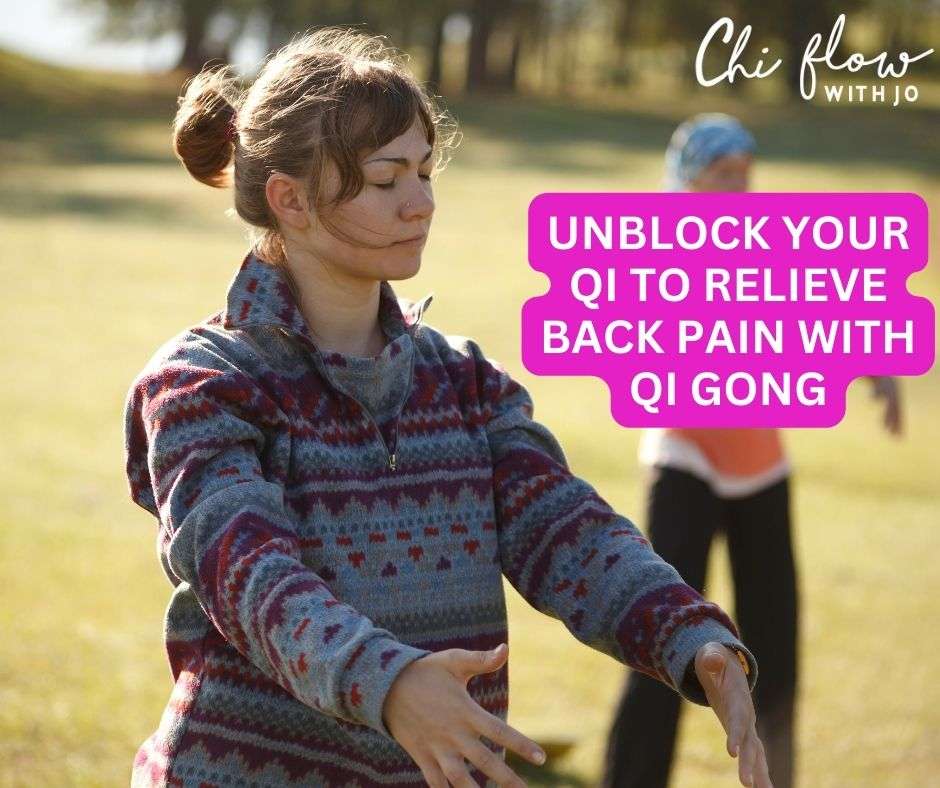
Whether it’s hours spent hunched over a desk, long drives, sports injuries, or simply the wear and tear of daily life, back pain can seem inevitable. But it doesn’t have to be. With the powerful tools of Qi Gong, Food Medicine, and Acupressure, you can take charge of your health and alleviate back pain—naturally and effectively.

Instead of accepting back pain as part of life, imagine addressing it head-on, restoring balance, and preventing it from progressing into a more debilitating issue.

Understanding Back Pain Through the Lens of Chinese Medicine

In Chinese Medicine, back pain is often rooted in Qi and Blood Stagnation.

Qi Stagnation:

Qi, the vital energy flowing through your body, moves along meridians (energy channels). When this flow is blocked, discomfort begins as a dull ache but can develop into sharp, fixed pain.

For example, women with painful periods often experience lower back pain due to stagnation of Qi, which prevents blood from circulating freely.

Another common culprit is the invasion of cold or dampness into the bladder meridians of the spine.

Think of Qi like water flowing through a river. When temperatures drop, water slows, thickens, and may even freeze, unable to move freely. Qi behaves the same way—cold or stagnation can stop its smooth flow, leading to pain and discomfort.

Moving the body with gentle exercise such as Qi Gong can create heat in the body, warming the meridians, the muscles and the fascia which in turn helps the Qi and blood to flow.

Blood Stagnation:

Trauma, injury, or sedentary habits can lead to poor blood flow. Like a bruise that lingers, blood stagnation can intensify pain.

A sedentary lifestyle without physical activity plus slouching or sitting slumped on your office chair or couch, hunching forward while weeding your garden or standing washing dishes for a long time, can cause Qi stagnation.

The good news? The treatment is the same: Get moving, stay warm, and stimulate circulation.

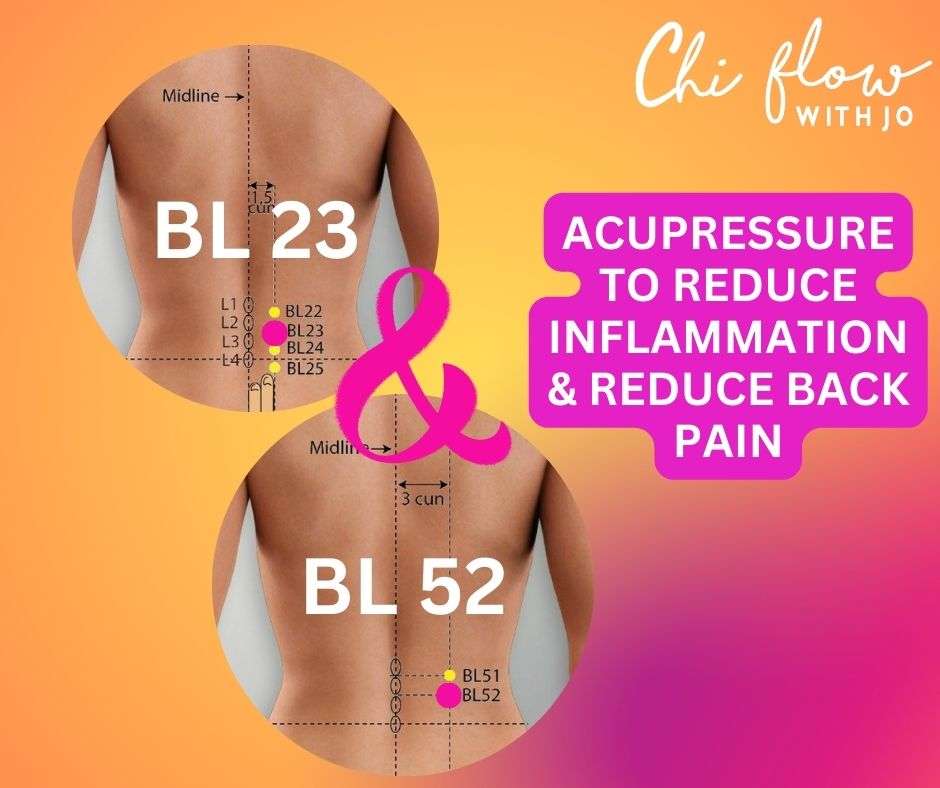
In Chi Flow with Jo, you’ll learn targeted exercises like spinal cord breathing and massage techniques for acupoints BL23 and BL52, which support back health and relieve pain.

Bladder 23 (Shenshu) and Bladder 52 (Zhishi) are pivotal acupoints along the Bladder meridian, renowned in Traditional Chinese Medicine (TCM) for alleviating back pain by enhancing Qi and blood circulation.

Locating Bladder 23 (Shenshu) Kidney Transporter: This point is situated on the lower back, level with the space between the second and third lumbar vertebrae, approximately two finger-widths (1.5 cun) lateral to the spine.

Locating Bladder 52 (Zhishi) Willpower room: Found at the same lumbar level as Bladder 23, Bladder 52 is positioned further outward, about four finger-widths (3 cun) lateral to the spine.

Benefits of Massaging and Warming These Points:

Enhancing Qi and Blood Flow: Gentle massage stimulates these acupoints, promoting the smooth flow of Qi and blood along the Bladder meridian, which can alleviate stagnation and reduce back pain.

Kidney Support: Bladder 23 is closely associated with kidney health. Massaging this point can strengthen the kidneys, which, in TCM, are vital for maintaining overall vitality and back strength. (See below)

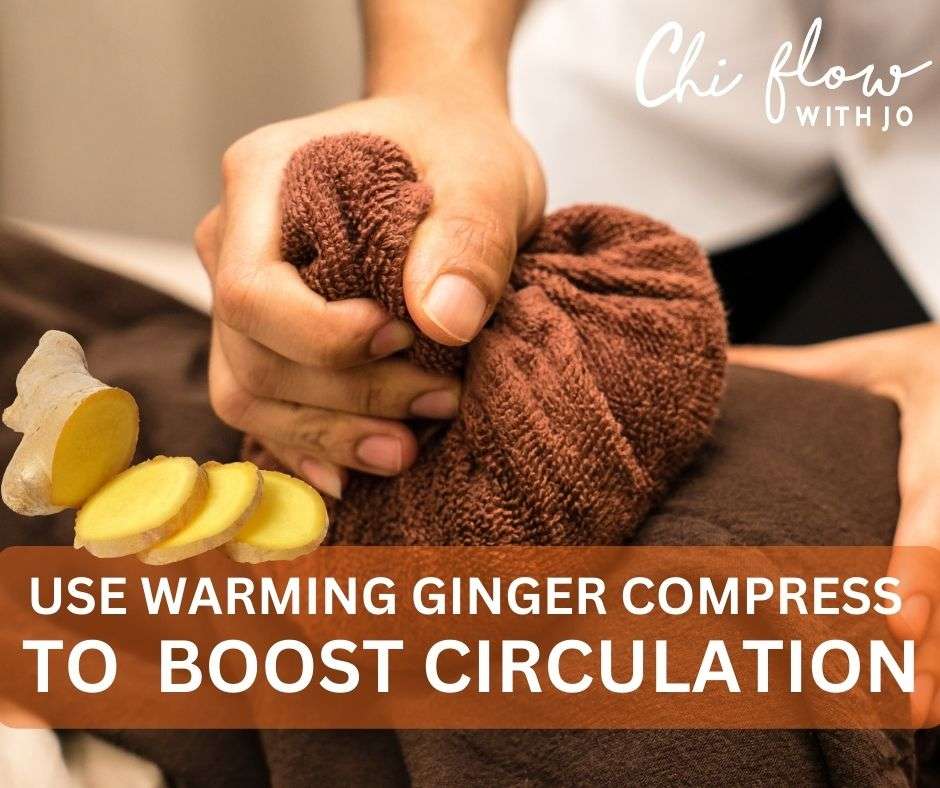
Therapeutic Warmth: Applying warmth to these areas, such as using a warm compress or engaging in practices like ginger foot soaks, can further enhance circulation and provide relief from discomfort. (see the latest Ask Me Anything for further information) Grief & Back Pain

Supporting the Kidneys Through Food Medicine

In Chinese Medicine, the kidneys are the foundation of lower back health. When the kidney system is deficient, back pain and other symptoms, like fatigue, sweating, dizziness, or insomnia can arise.

Whenever there is back pain the Kidney system will be treated in Chinese medicine.
The Yellow Emperor’s Classic of Internal Medicine’ (206 BCE–220 CE) states;

If there is free flow, there is no pain;
If there is no free flow, there is pain.

We have already discussed the Qi and/or blood stagnation in the channel(s), if specifically through the region of the low back, there will be pain.

The kidneys relate to the water element so again return to the image or a river flowing unimpeded and suddenly a tree falls across the river, we see in our imagination the water no longer flowing freely, but getting blocked by the log, pushing into the banks of the river.
The basic concept of exercising the meridians in Qi Gong is to re-open the river, create a circulation so that the log lifts and normal flow is restored.

As I discussed. We can do this with Qi Gong and acupressure but within the five element system of Chinese medicine which I lay out clearly in my books we can also do this with food.

To nourish your kidneys enhancing the river flow of Qi, incorporate blue/black-colored foods, such as:

Black sesame seeds
Black beans/Adzuki Beans
Seaweed
Blueberries
Black rice

These foods are rich in minerals and nutrients that support kidney health and overall vitality.
The salty flavour is associated with the kidneys so make sure you keep hydrated and take good quality salt, seaweed, walnuts, cashew nuts, chestnuts and goji berries which are packed full of minerals such as calcium, magnesium, manganese and zinc which are all brilliant to help muscles, ligaments and tendons relax, letting Qi flow.

In my books, I dive deeper into the 5 Element system and provide delicious recipes like Red Date and Goji Berry Tea, which strengthens the kidneys and spleen while enhancing your immune system. 

The Connection Between Digestive Health and Back Pain

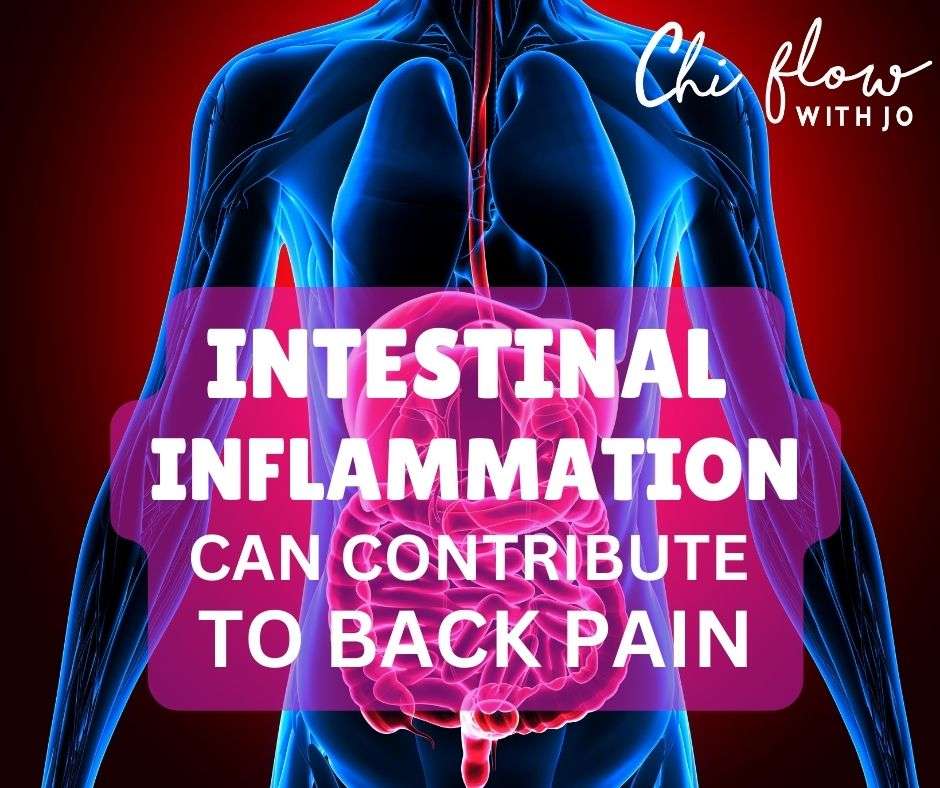
Did you know that intestinal inflammation can contribute to back pain? The nerves of your digestive system run through your lower spine, meaning bloating, period pain, or other abdominal issues can trigger discomfort in the back.

Fascia plays a crucial role here. This connective tissue surrounds your organs and muscles, and when it becomes tight, it can restrict movement and cause pain. 

Qi Gong works to release these tensions, improve blood flow, and restore flexibility, creating a ripple effect of healing throughout the body.

Join us in Chi Flow with Jo as we focus on Dragon Qi Gong, a practice rooted in the Water Element of the 5 Element system. This ancient movement targets the Kidney Meridian, a key player in lower back health.

Benefits of Dragon Qi Gong:

Fascia Health: Lengthens and softens fascia in the lower back, improving flexibility and reducing pain.

Kidney Meridian Activation: Boosts Qi flow, essential for relieving back pain and promoting kidney health.

Spinal Twist & Stretch: Counter-rotation combined with internal pressure from breath has an effect akin to wringing out a towel.

Simple Practices for Daily Kidney Care

♥  Stay Warm: Keep your back and feet cozy, especially during colder months.
Hydrate & Nourish: Drink mineral-rich teas like Barley Water and Kukicha Tea to support digestion and kidney health.
Try Ginger Soaks: Before bed, soak your feet in warm ginger-infused water to relax your body and promote warmth.
Move Your Body: Gentle stretches, twists, and Qi Gong exercises prevent stagnation and enhance flexibility.

Empower Yourself with Chi Flow

You don’t have to suffer in silence or rely solely on conventional methods. Take responsibility for your health with Chi Flow with Jo—a holistic approach that integrates movement, acupressure, and food medicine.

Let’s get moving, healing, and flowing—together, every day in Chi flow with Jo.

Self-administered acupressure or Chinese Medicine is not a substitute for visits to qualified healthcare practitioners.

Knowing how to treat yourself and your loved ones with complimentary therapies like acupressure can be greatly beneficial and convenient. However, for serious and chronic conditions, you’ll want to visit an Shiatsu therapist / Acupuncturist or other qualified healthcare practitioner who can develop a treatment plan based on your unique medical history and combination of symptoms.  

The information provided should not be considered medical advice.

WATCH & LISTEN TO THE
ENERGY UPDATE PODCAST

Reduce Pain & Inflammation for Fibromyalgia

Reduce Pain & Inflammation for Fibromyalgia

If you have fibromyalgia or pain due to inflammation in the body, what are the foods to avoid to reduce inflammation?

If you suffer from fibromyalgia, you will know that there are no two people who suffer the same. While there are foods that will help reduce inflammation as well as food that can be bad for it, nobody will react the exact same to every food I suggest.

So, I will be helping you to look into your body, locate the problem area, and showing you how to eat foods that can boost your body’s health with the help of my knowledge of Chinese Medicine!

WHAT CAUSES INFLAMMATION IN THE BODY?

When we are dealing with inflammation in the body, the first organ I go to is the liver. The liver and the gallbladder together are responsible for flowing blood around the body, as well as your metabolism.

If your liver is congested, you likely are experiencing problems with pain and inflammation.

FOODS TO AVOID THAT CONGEST THE LIVER

Liver congestion and inflammation can be caused by a diet that stagnates the liver. This diet would consist of very heavy fats, plenty of alcohol, and lots of meat, cheese and dairy.

So foods like pizza, cakes and biscuits that have lots of trans fats you will want to avoid, because they cause the stagnation in your liver that can lead to inflammation.

FOODS WE WANT TO EAT FOR THE LIVER

Now that we’ve covered foods to avoid, let’s go over some foods that can help the liver move and flow!

First, turmeric is a great ingredient for stimulating the liver into action. You can have this in your tea, or you can grate it over your mashed potatoes with a bit of ginger and lemon with a stick of cinnamon.

Have a look at my website for a really fantastic anti-inflammatory tea that uses fresh turmeric and ginger HERE.

Umeboshi plum is another ingredient that is great to help the liver and reduce inflammation and pain. Umeboshi plum is a salted, fermented, pickled plum. You just need to take a small part, dissolve it in water and drink it down to receive the benefits it can have on your liver.

WANT TO LEARN MORE?

To learn more about food that stimulates the liver and helps reduce inflammation, watch or listen to this episode of Ask Me Anything where I discuss even more foods and ingredients that can be great for reducing inflammation.

DO YOU HAVE A QUESTION?

The Ask Me Anything podcast series has been created to answer your questions using my knowledge of Chinese medicine, Qi Gong, Qi Food therapy and Shiatsu. 

You can ask a question by clicking on THIS LINK, or you can watch past episodes to see if your question has already been answered.

Join the Chi Flow online community today!

Also, join me in Chi Flow with Jo every weekday morning for live online Qi Gong where we will practise Qi Gong, as well as self-acupressure, delicious healthy recipes, Traditional Chinese Medicine (TCM) tips and Meridian stretches.  

You can sign up for a FREE online qi gong class with the form below.

Hope to see you in the Chi Flow!

Self-administered acupressure or Chinese Medicine is not a substitute for visits to qualified healthcare practitioners.

Knowing how to treat yourself and your loved ones with complimentary therapies like acupressure can be greatly beneficial and convenient. However, for serious and chronic conditions, you’ll want to visit an Shiatsu therapist / Acupuncturist or other qualified healthcare practitioner who can develop a treatment plan based on your unique medical history and combination of symptoms.  

The information provided should not be considered medical advice.

Fibromyalgia Health & Wellbeing Summit

Fibromyalgia Health & Wellbeing Summit

During this fantastic event on 12th May, I will be giving two talks along with recipe demonstrations and taster giveaways – there’s lots of other interesting stuff on offer too such as Shiatsu, sleep advice, Tai Chi and keynote speakers – all for only €20

Fibromyalgia, a chronic disease that causes pain and swelling, is difficult to treat with western medicine “Fibromyalgia symptoms are only about 30% amenable to current pharmaceutical strategies on the market,” says Kathleen Holton, Ph.D., MPH, lead author of Potential Dietary Links in Central Sensitization in Fibromyalgia………

Why not try an alternative way of looking at the condition? Shiatsu & Conscious Cooking is based on Traditional Chinese Medicine and looks to address the cause of the condition as well as treating and alleviating symptoms.

The symptoms of Fibromyalgia in Chinese Medicine can be treated as a condition of the Liver and this talk aims to give a brief overview of this aspect including flavour, colour, season and emotions that correspond to this organ in Chinese medicine.

It will also touch on the possible source of the condition within the Kidney/Bladder. It is in no way prescriptive but more about providing tools to ask “how is the body, how am I feeling and what do I need right now?”

The Liver and Gallbladder are connected to the Spring life force in our bodies which governs flexibility, regrowth, and easy flow. It is a powerful energy for effective action, enabling the unfolding of our life’s purpose. The Ligaments and Tendons are governed by these organs so too is metabolism and energy levels.

However, in our overactive society, the Liver/Gall Bladder can become overheated or blocked causing frustration, pain, and stagnation. An easy way to address this is by stimulating the Liver and decreasing its congestion. A gentle detox, which happens naturally in the Spring, will encourage and support the Liver to regenerate and cleanse.

In this talk, we will

  • Discuss effective, gentle detox for the body
  • Learn a variety of foods that increase energy and decrease pain
  • Discover which foods are best avoided
  • Understand how to alcalyze the body reducing pain and stagnation

Emotional Healing & Community Support

The weight we carry isn’t just on our hips, it’s in our hearts.
Feeling like you “want to be minded” is your body’s cry for nurture, not discipline.

When you join Chi Flow with Jo, you don’t walk alone.
We move, fast, cook and heal together. That shared energy keeps you accountable and loved through change.

You don’t need to fight your bodyjust listen to her again.
Start with small rhythms: stop eating after 8 pm, massage Liver 13, sip lemon water in the morning, and join our January program to be supported every step of the way.

💗 Ready to Join?

Click here to become a member of Chi Flow with JoCLICK HERE

Or drop in for a class and feel it for yourself (sign up below). Join the Chi Flow with Jo community for live sessions, practice, and support.

Self-administered acupressure or Chinese Medicine is not a substitute for visits to qualified healthcare practitioners.

Knowing how to treat yourself and your loved ones with complimentary therapies like acupressure can be greatly beneficial and convenient. However, for serious and chronic conditions, you’ll want to visit an Shiatsu therapist / Acupuncturist or other qualified healthcare practitioner who can develop a treatment plan based on your unique medical history and combination of symptoms.

The information provided should not be considered medical advice.