How Acupressure and Qi Gong Can Boost Immunity, Banish Coughs and Colds, and Stop Spontaneous Sweating
How Acupressure and Qi Gong Can Boost Immunity, Banish Coughs and Colds, and Stop Spontaneous Sweating
When you think about winter sniffles, sweaty discomfort, and that dragging lack of energy, it might feel like you’re stuck in an endless cycle. But in Traditional Chinese Medicine (TCM), these symptoms often signal something deeper, an imbalance in your body’s energy, or “Qi”. Let’s explore how acupressure, Qi Gong, and nourishing food medicine can help restore balance and improve your immune system.
Why Sweaty Bum and Frequent Colds Happen: A TCM Perspective
One of my podcast listeners shared that she suffers from frequent coughs, colds, low energy, and, quite uniquely, sweating around the top of her bum and sacrum. From a TCM perspective, these symptoms point to a deficiency in Kidney Qi. In TCM, the kidneys play a vital role in controlling the body’s energy reserves, immunity, and fluid balance.
Sweating around the sacrum often indicates Kidney Qi deficiency, which prevents energy from flowing smoothly up the spine. This stagnation can weaken your immune system, making you prone to external invasions like coughs and colds. But here’s the good news: there are simple, effective ways to restore Kidney Qi and improve your overall health.

Nourish Your Kidney Qi with Food
Diet is foundational in TCM. To strengthen Kidney Qi and support your immune system, focus on blue and black-colored foods, which are considered especially nourishing for the kidneys: For the full outline of which colour food supports which organ see my books.
- Seaweed – A mineral-rich superfood that’s excellent for Kidney Qi.
- Black Beans and Adzuki Beans – Perfect for soups and teas. (find the recipe)
- Black Rice – Traditionally reserved for emperors, it’s packed with nutrients.
Blueberries and Blackberries – Delicious and full of antioxidants.
For additional warmth and nourishment, include:
- Bone Broth – A warming, restorative tonic.
- Barley Water – Great for gently cleansing and replenishing. (find the recipe)
- Kukicha (Twig) Tea – A grounding and warming beverage.
These foods will fortify your Kidney Qi, giving you the vitality to fight off colds and flu.
Acupressure for Immune Strength and Energy Flow
Acupressure is a powerful tool to unblock stagnant energy and nourish your kidneys. Here are the key points to focus on:
- Bladder 31, 32, 33 (V of the sacrum):
- These points are along the bladder channel and can be stimulated by tapping or rubbing the sacrum with your knuckles. This helps to warm and invigorate the Kidney Qi.
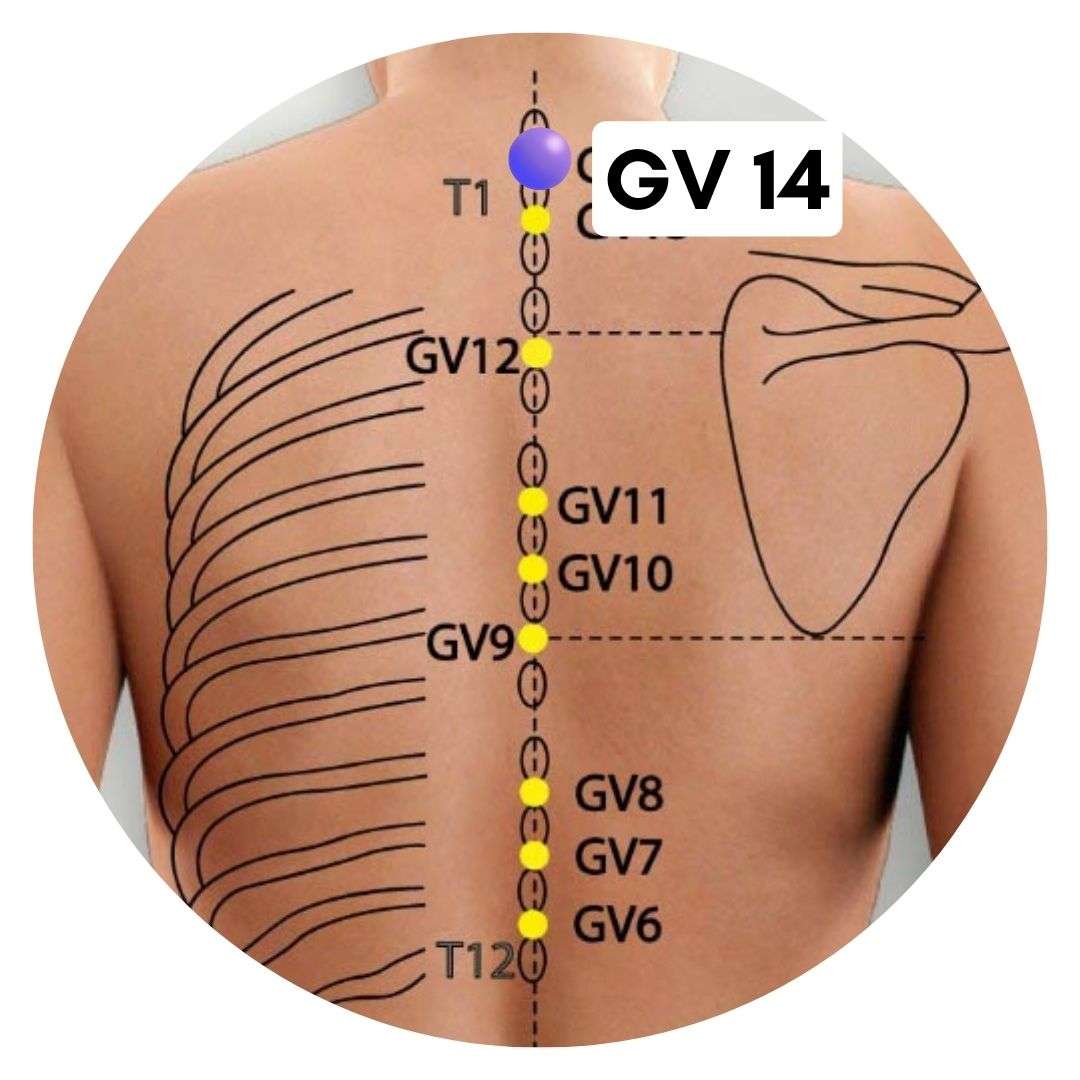
- Governing Vessel 14 (The Great Hammer):
- Located at the base of the neck, this point is crucial for boosting immunity. Massage around the big vertebra at the top of your spine, moving in circles. This encourages the upward flow of energy.
- Bai Hui (Hundred Meetings Point):
- Found at the top of the head, you can locate this by placing your thumbs on your ears and letting your middle fingers meet at the crown. Tap gently while visualizing a line of energy running through your body.
Qi Gong Exercises to Move Stuck Energy
Qi Gong combines breath, movement, and intention to promote energy flow and strengthen the immune system. Try these exercises:
1. Kidney Warming:
- Rub your palms together until they’re warm, then place them over your lower back, massaging around your kidneys and sacrum. This simple practice is deeply nourishing for Kidney Qi.
2. Turtle & Crane Neck Exercise:
- Sit straight with your chin slightly tucked. Slowly roll your chin into your chest, then extend it outward as if you are a turtle emerging from it’s shell. Then change direction letting the chin lead out like a crane’s beak and rolling it down and in to the chest. Repeat this rolling motion to release tension in the spine and encourage energy flow up the Governing Vessel.
3. Microcosmic Orbit Breathing:
- Align your spine and visualize energy traveling up from your sacrum to the top of your head as you inhale. On the exhale, guide the energy down the front of your body to your lower abdomen. This exercise balances the body’s energy and clears blockages.
The Wisdom of Chinese Medicine
As the ancient TCM saying goes, “When Qi flows, health follows; when Qi stagnates, disease occurs.” By nourishing your Kidney Qi with food, activating key acupressure points, and practicing Qi Gong, you’ll not only improve your immune function but also restore a sense of vitality and balance to your life.
So, whether you’re battling winter colds or looking for relief from that awkward sweaty discomfort, these simple practices can make a profound difference. May your days be filled with warmth, health, and joy.
Final Thoughts
Acupressure and Qi Gong offer gentle, yet profound methods to manage incontinence by addressing its root causes. By nourishing the kidneys, stimulating chi flow, and balancing contraction with relaxation, you’ll find greater control and well-being.
Explore these practices further and incorporate the recommended foods into your daily routine. Remember, contraction and expansion, flow and stillness—this is the way of the body and life. Let Qi Gong guide you to health and joy.
For more tips, classes, and support, join Chi flow with Jo or contact Jo for individual support
DO YOU HAVE A QUESTION?
The Ask Me Anything podcast series has been created to answer your questions using my knowledge of Chinese medicine, Qi Gong, Qi Food therapy and Shiatsu.
You can ask a question by clicking on THIS LINK, or you can watch past episodes to see if your question has already been answered.
Join the Chi Flow online community today!
Also, join me in Chi Flow with Jo every weekday morning for live online Qi Gong where we will practise Qi Gong, as well as self-acupressure, delicious healthy recipes, Traditional Chinese Medicine (TCM) tips and Meridian stretches.
You can sign up for a FREE online qi gong class with the form below.
Hope to see you in the Chi Flow!